Sound
No biography available.
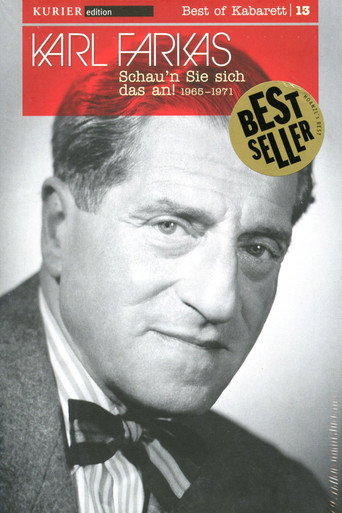
Vienna no longer has anyone like him: Karl Farkas. "Look at that!" was the leitmotif of his life. He was the only one of the postwar generation who could demonstrate how cabaret had been performed during the interwar period: primarily with Jewish wit, humor, and plenty of personality. Farkas became known throughout Austria through his legendary TV shows "Balance Sheets." His "Annual Balance Sheets" remained a television hit until his death. Among those appearing in the best Farkas shows are Ernst Waldbrunn, Maxi Böhm, Gerhard Bronner, Fritz Muliar, Otto Schenk, Ossy Kolmann, and Fritz Imhoff. The DVD "Look at that!" brings together the highlights from "Simpl" and TV's "Balance Sheets." A classic of intelligent humor from 1965-1971.
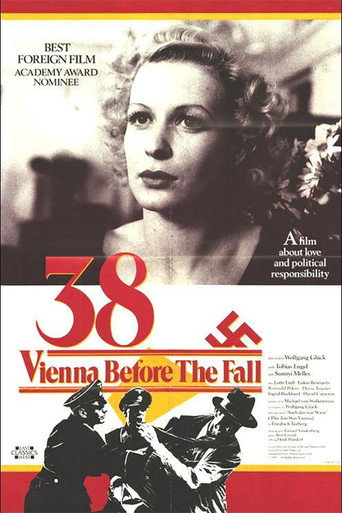
The film presents the political events surrounding the Anschluss in March of 1938 through the lives of Carola Hell, a popular young actress at the prestigious Theater in der Josefstadt, and Martin Hofmann, the Jewish journalist she plans to marry. When we encounter the couple in the lovely springtime weather their future is full of promise. They are determined to stay clear of politics. Yet in the climate of the time, nobody of her prominence or his religion can remain apolitical. Although Martin's journalist friend, Drechsler, calls to inform them that the Nazis plan to take over Austria soon, they concentrate on their work and their private happiness and dismiss the warnings.
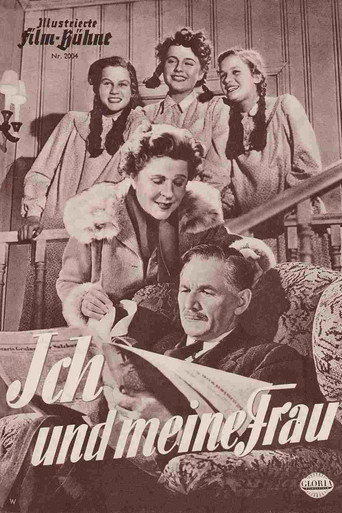
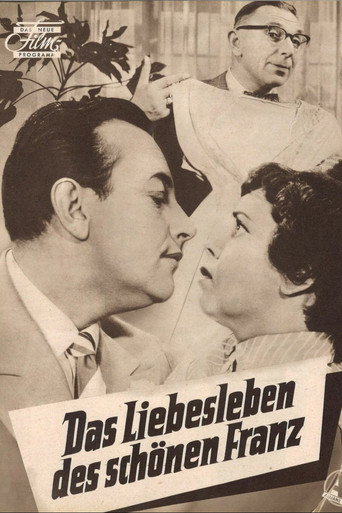
The conversion of a pedantic family tyrant into an understanding husband and father.
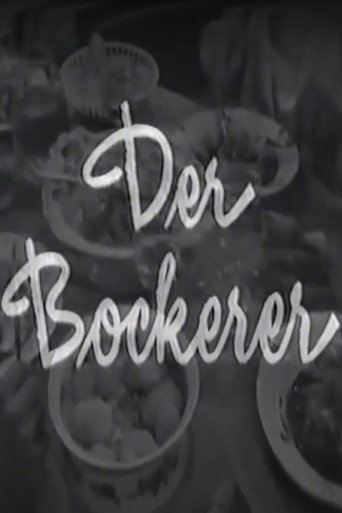
Karl Bockerer is a Viennese original. He survives the ‘great times’ – to his own dismay his birthday is on the same day as the one of the “Führer” – by pretending to be more stupid than he really is, and uncovers, over and over again, the hypocrisy and the uptightness of the epic nonsense in his milieu by means of real and phony naivety. Where Schweijk made a mockery of the ruling system by being a presumptive follower, the Viennese butcher strives against the tide. And he is not alone, has family and friends. His personal braveness protects him neither from the rebellion in his own house, nor from the horrors of total war…
A mix between Italian neo-realism, German expressionism and Austrian exploitation.