Production
No biography available.
The last film prohibited by Francisco Franco. Jean-Marie Buchet plays the role of a collector of used tampons in this avant-garde comedy-adventure film.
Gerda Diddens' "Sprookje, of l'homme-objet" and "Découpage" form a very funny double metaphor about cinema and machismo.
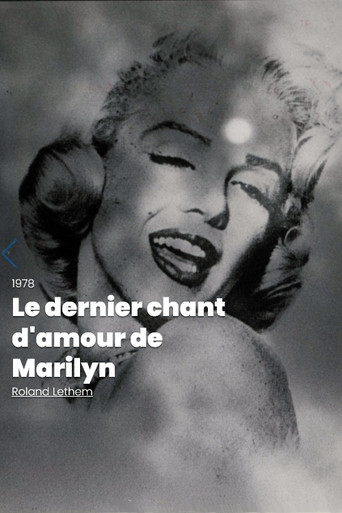
Marilyn’s shine flickering into your eyes, Marilyn’s mind melting into your mind, Marilyn’s heart beating inside of your chest,…if you so wish. – R.L.Before you start the film please light a candle and after stopping the film, please blow it out. Should the candle accidentally stop burning, do not light it anew: it means that the performance is over.
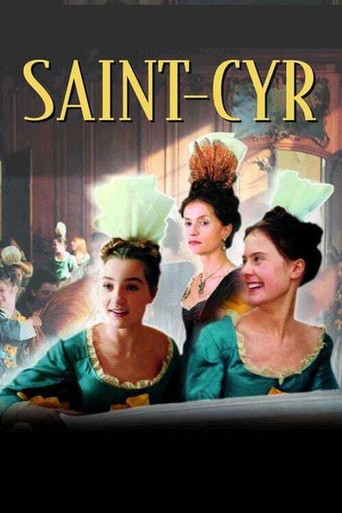
Late 17th Century: Anne de Grandcamp and Lucie de Fontenelle, two little girls from Normandy, arrive at the Saint-Cyr school founded by Madame de Maintenon for educating the daughters of impoverished nobles ruined in wars and making them into free women. Madame de Maintenon is the secret wife of Louis XIV, and empowered by his support, she offers "her" two hundred fifty girls a playful and avant-garde education. Anne and Lucie, two inseparable friends, allow themselves to be carried away by the promise of a bright future. But Maintenon has arrived at the pinnacle of power through scheming and debasing herself and she now fears the fires of hell. She is counting on her model school to atone for her past sins.
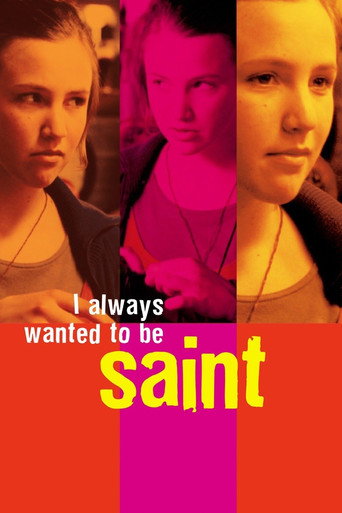
A teenage girl, Norah (Marie Kremer), living with her depressed father, Jean-Michel (Thierry Lefevre), in Luxembourg, obsesses over the whereabouts of her missing mother, who left them both when Norah was still a newborn. Norah is a misfit and devotes her energy to helping others and conversing with an imaginary friend. But, when she receives information pertaining to the possible location of her mother, Norah has to seriously think about inviting the woman back into her life.
Bruno loved his job as a middle manager at a paper company, but optimistically views being laid off as an opportunity. After two years of searching for a comparable position, optimism turns to desperation. His wife works two jobs, and their marriage slowly deteriorates as their hold on the middle class slips away. Bruno concocts a grimly audacious plan to identify and kill his fellow job applicants so that he is the only qualified person left.
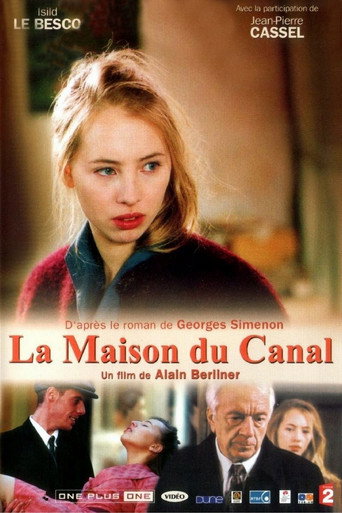
After her parents' death, a young woman moves in with her unsophisticated country relatives with unfortunate results.
Romeo, a lovelorn Roman musician in his 40s with 20 years since his only hit, consults a fortuneteller who predicts he'll find love and money with a foreign singer named for a flower. In Brussels he meets Marguerite, an older chanteuse who interprets Jacques Brel and loves her yappy dog.
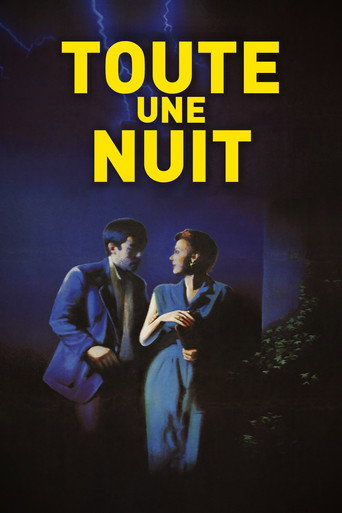
Following over two dozen different individuals in the almost wordless atmosphere of a dark night in a Brussels town, acceptance and rejection in the realm of romance is examined.
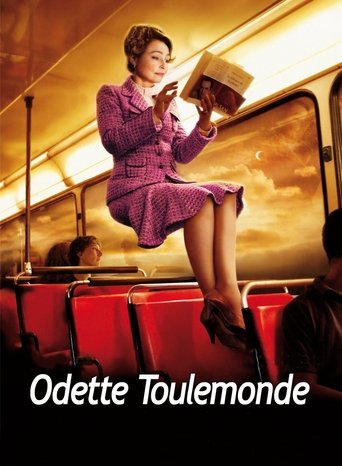
Objectively, Odette Toulemonde has nothing to be happy about, but is. Balthazar Balsan has everything to be happy about, but isn’t. Odette, awkwardly forty, with a delightful hairdresser son and a daughter bogged down in adolescence, spends her days behind the cosmetic’s counter in a department store and her nights sewing feathers on costumes for Parisian variety shows. She dreams of thanking Balthazar Balsan, her favorite author, to whom – she believes – she owes her optimism. The rich and charming Parisian writer then turns up in her life in an unexpected way.
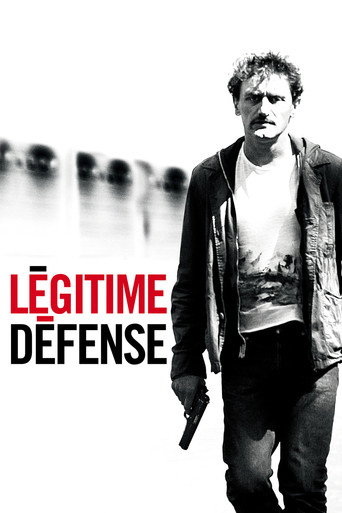
Benoît, leads a happy and uneventful life. One day, his private detective father mysteriously disappears. Benoît is going to discover he has the shadow of a father he thought he knew.