Gerd Funk Movies, TV Shows, and Filmography
Gerd Funk
Acting
Biography
No biography available.
Filmography Movies
Acting
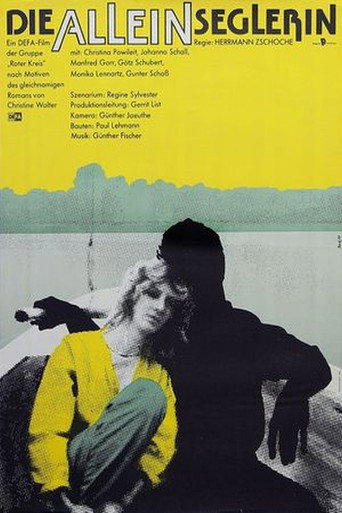
The Solo Sailor
Christine inherits a sailboat from her father, whom she barely knew. Christine is a divorced single mother and her job at a research insitute leaves her with too much work and too little time to sail. She can't find anyone to buy the boat at full value, so she tries to repair it over the winter in the hopes of being able to get a better price in the spring. Working on the boat become something of an obsession to the detriment of Christine's relationships with her son, boyfriend and collegues. When the boat is finally ready to sell, she isn't sure that she is willing to part with it after all.
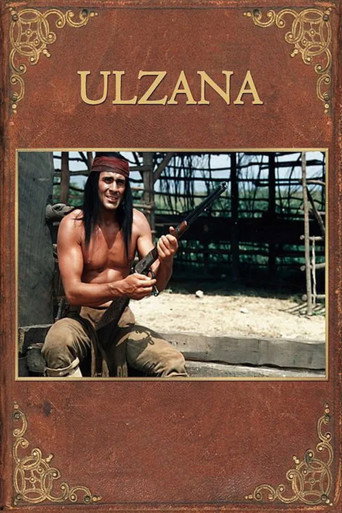
Ulzana
This rather unconventional Western movie is set in the middle of the 19th century in Arizona. The film portrays an Indian tribe, the Mimbreno Appacheans, who are celebrating their Thanksgiving, building an irrigation plant, carrying on commerce, and trying to settle down in a rather constricted territory. But the confrontation with the white Americans changes their situation as the mercantile "gentlemen" want to prevent the Indian tribe to become independent from the white men′s business practices. Thus, they destroy the irrigation plant and chase the Indian tribe in an inhospitable territory where they cannot survive. Led by their chief Ulzana, the Appacheans thus start a bitter fight to preserve their habitat.
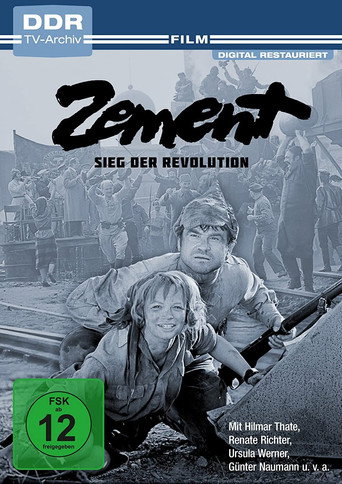
Zement
Early 1921: a man is on his way home. Gleb Chumalov, regimental commander, worker and Hero of the Order of the Red Banner, returns to his home town from the Civil War. The victory over the enemies of the Russian people gives him the conviction that a new, better time will dawn overnight. Gleb looks for his comrades from earlier years, but only finds people who are emaciated by their efforts. The cement works where he used to work has been plundered and abandoned. With great effort, Gleb and his comrades try to get the plant up and running again. The struggle seems to begin anew... It is the time after the victory of the “Great October Socialist Revolution“ and the time of building a new society.
Optimistische Tragödie
During the October Revolution in 1917 the Bolshevik Party appointed a woman commissioner of the “Free Anarchist-Revolutionary Section”. This regiment emerged from an anarchist division of the ship of the line “Imperator Paul I.”
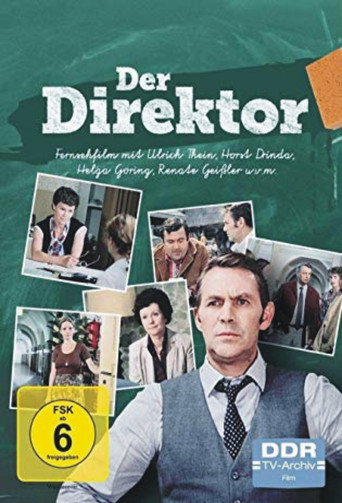
Der Direktor
The school authorities want to read success stories in director Joachim Faber's reports. But they cannot simply be produced on an assembly line. Pupils, for example, use the wrong tone. The matter draws circles until the superiors finally talk about refusal to work. Director Faber is caught between the efforts to resolve the conflict with pedagogical means and the pressure from above.
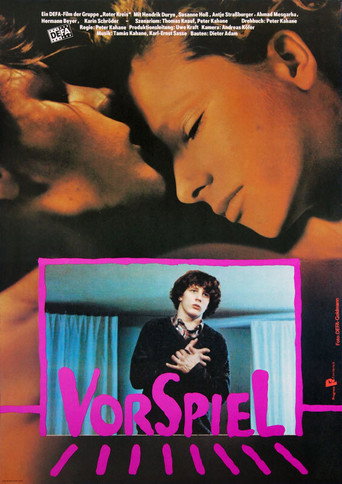
Vorspiel
Tom, a 17-year-old window design apprentice, dreams about true love. One day, a new girl from East Berlin moves to town. Tom has a crush on her and will do anything to impress her. When he finds out that she plans to become an actress, he even discovers the aspiration to perform himself. For a while, Tom is on cloud 9.

Schulmeister Spitzbart
1831. A village schoolteacher Matthias Spitzbart dreams of the ideal school and writes a textbook on the perfect educational institution. When he becomes principal of a grammar school by chance, he puts his ideas into practice. His almost missionary-like zeal blossoms in wondrous ways, but his family idyll is deceptive. Entangled in his activities, Spitzbart fails to see his wife's affair with pro-rector Mehlmann, daughter Friederike flirts with the trainee teacher, and son Michael's misdeeds are enough to make a mockery of his efforts at exemplary behavior. Teachers, parents and the mayor are of the opinion that he has upset everything that worked before: he is dismissed...
Farssmann oder Zu Fuß in die Sackgasse
He could have had women, he could have climbed the ladder of his accountancy career, and he could have stood on the podium next to the highest in the land. If only he had wanted to! But Farssmann, shaken by divorce and unwilling to better himself, wants to remain what he is: an ordinary bookkeeper like you and me. And so the dollar deal with Mr. Osbar from Utah (USA) is not the first time he comes into conflict with the very palpable unreality of a country called the German Democratic Republic.
Big Night and Big Day
Slovakian villagers towards the end of WW II are despairing as German troops fall back to their village.
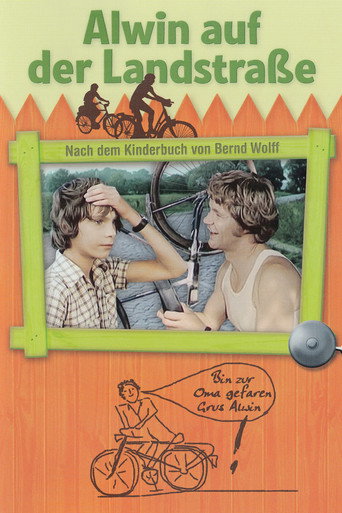
Alwin auf der Landstraße
Ironically, at the beginning of the summer holidays, Alwins strict father has grounded him to get him to improve his spelling. Alwin feels like a prisoner and decides to run away heading to his grandparents in the Harz mountains nearly 200 kilometers away. On the road Alwin meets many people and with their help Alwin slowly progresses towards his destination.