Directing
No biography available.
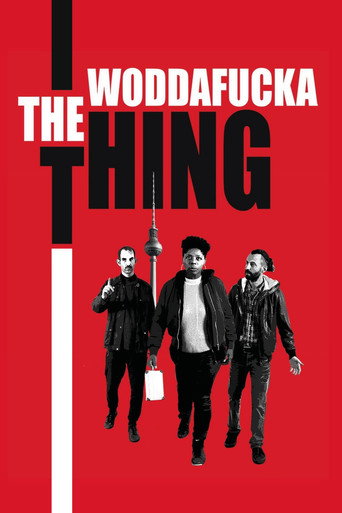
The Afro-Berliner DJane Sweety, the Italian karate teacher Gino and his German half-brother Ninja are in deep trouble. They fight for survival: Against a powerful mobster and two nasty real estate sharks who demand a lot of money from them. They only have one week left.
Only the chosen few know this woman who started working as a secretary for the German Film and Television Academy (DFFB) on 13 February, 1966. The path of Helen’s career is paved with famous names – including that of Wolfgang Petersen, Holger Meins (who later became a member of the Red Army Faction) as well as directors Wolfgang Becker, Detlev Buck and Christian Petzold. All have fond memories of forgetting their troubles after having poured their hearts out over a cup of coffee in Helene’s office – for Helene was both friend and advisor to countless film students.
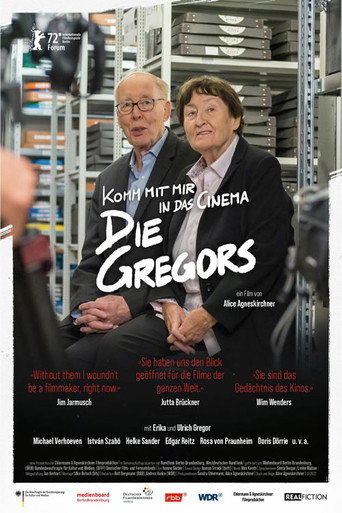
From the 1950s onwards, Erika and Ulrich Gregor brought countless film historical milestones to Berlin and shaped cinema discourse in post-war Germany. A look at the life and work of the couple without whom Arsenal and the Forum wouldn’t exist.
Scenes from Berlin: Kids playing football, a man tries to light a fire in his stove, a film team sets up a shot in a park, students discuss politics.
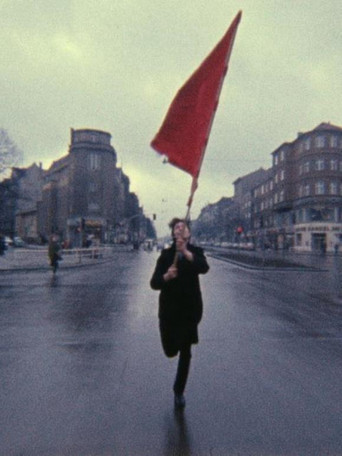
Gerd Conradt films men carrying a red flag in a relay race through Berlin, to hoist it on the balcony of the current Mayor’s seat. A cinematic experiment based on Eadweard Muybridge, Andy Warhol and New American Cinema. A study in men, movements and a symbol. This is the 7th part of this series of film exercises. The other 6 parts were staged by Harun Farocki (Part 1), Carlos Bustamante (Part 2), Helke Sander (Part 3), Holger Meins (Part 4), Wolfgang Petersen (Part 5), Philip Werner Sauber (Part 6).
Short thriller about an older woman and an escaped convict.
A look into the life of Holger Meins, the German cinematography student who became a revolutionary and a prominent voice in the Vietnam War protest movement. This film is comprised of interviews with his associates.
A concise blast of feminist film making, Sander's first film is a tense yet playful four minute short that dissects a typical urban scene at a bus stop on a busy street in Berlin.
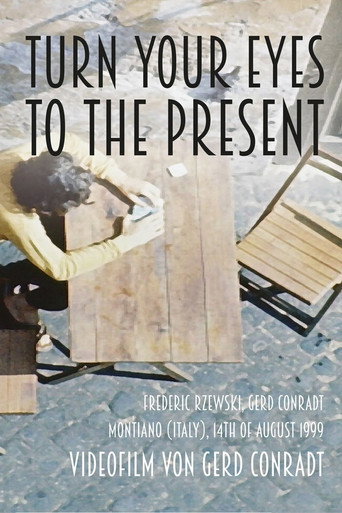
Gerd Conradt sits with Frederic Rzewski to have a chat on music. This conversation takes place in Montiano, Italy on August 14th, 1999.
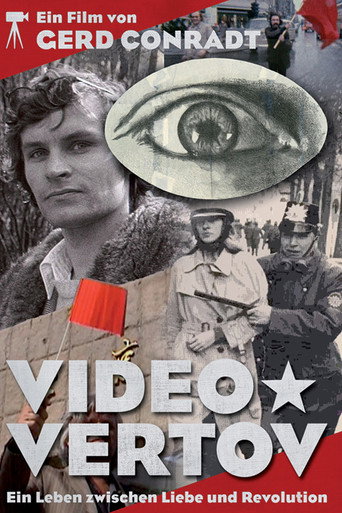
In VIDEO VERTOV, director Gerd Conradt tells his grandson stories from more than forty years of his eventful life - based on film and video documents. The film tells the life story of the video pioneer: love and revolution, red flag and meditation - expeditions to distant countries. For his grandson, Gerd Conradt spreads his film and video treasures on the big screen and leaves behind an "electronic" testament to his 50-year career as a film artist. The first love. Economic Miracle Berlin. Marriage and birth of daughter in Rome. Student at the dffb in Berlin. A life between adaptation and provocation. A life in search of knowledge, always interested in the extreme.
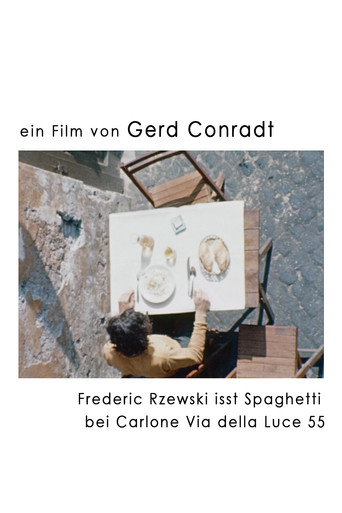
The composer Frederic Rzewski ordered a film from Gerd Conradt for his piece “Selfportrait”. The film was supposed to be shown while he was playing his piece of music, he didn't want to be seen. The film shows Frederic Rzewski sitting down at the table in the Trattoria Carlone in the Trastevere district of Rome from a bird's eye view. He orders wine, salad and a portion of spaghetti. We watch as he eats, pays, gets up and walks out of the picture. All in one setting.
This film has no story - one could be born at any moment. His characters are the composition of the composition that, in the time they live in, is the composition of the time in which they live. The situations are exemplary, they come from the reality of dreams, a movement takes on several dimensions, gives the impression of simultaneity, the passage of time is not perceived.
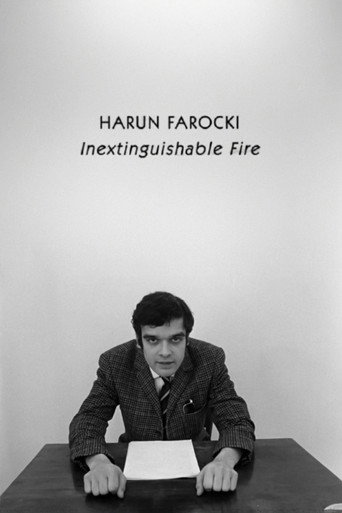
An austere treatise on the military-industrial complex that produces napalm.