Directing
No biography available.
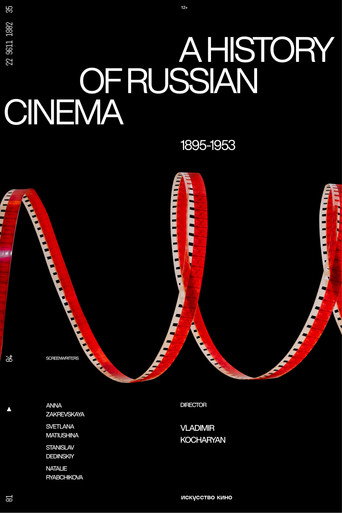
A two part documentary about the first five decades of Russian cinema: from its birth to 1953 - the death of Stalin and the first seedlings of the thaw. The film covers the most important milestones of cinema. Its introduction as a lowbrow entertainment, the impact of WWI and revolutions on the film process. The principal masters - Kuleshov, Vertov, Eisenstein - and their discoveries in film language at the turn of the 1920-30s. The arrival of sound. The evacuation of the Soviet film industry during WWII and the heroic work of the wartime documentary crews. Restricted film production and early signs of the thaw in the late 1940s - early 1950s. Film historians and art critics, directors and screenwriters put the history of cinema in a broader context, considering the path that the country took from Tsarist Russia to the totalitarian state under the rule of Stalin.
20 years after the collapse of the Soviet Union, young directors come to the borders of a previously united country. Their personal stories are dedicated to people overcoming erected boundaries to be together.
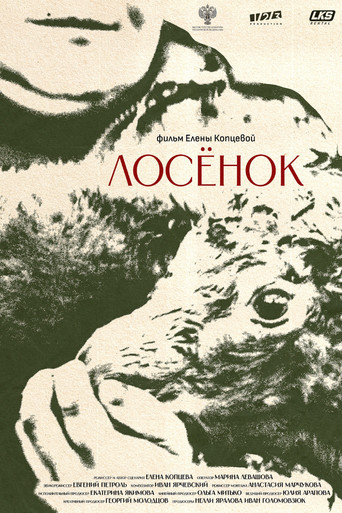
Katya is an employee of the Sumarokovskaya Elk Farm; she has been delivering births to elk cows for 20 years and telling tourists about the benefits of elk milk. Katya’s duties sometimes include very cruel things, but she loves her job and her son, for whom she wants a better future like any mother.
The main character of the cartoon is a stuffed Mormon kitten, which was sewn from old things by brother and sister Gosha and Julia. The Mormon turned out to be a wonderful friend who helps to find lost things. The cartoon is based on a fairy tale by Ural journalist Sergey Molodtsov, the father of director Georgy Molodtsov.