Georgia Caine Movies, TV Shows, and Filmography
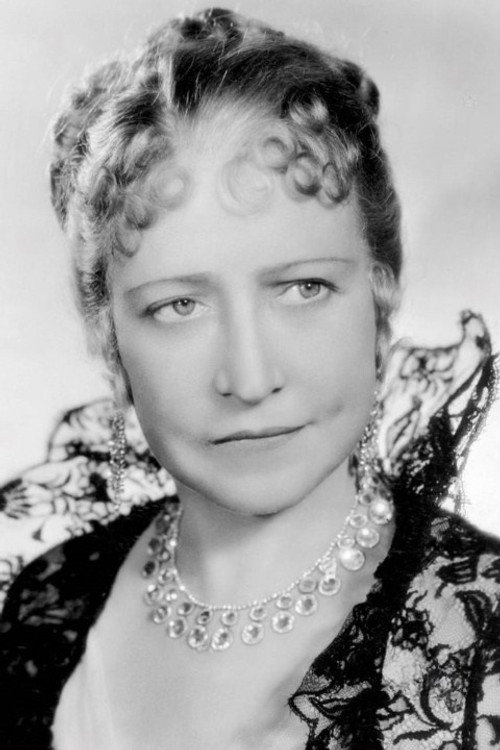
Georgia Caine
Acting
Biography
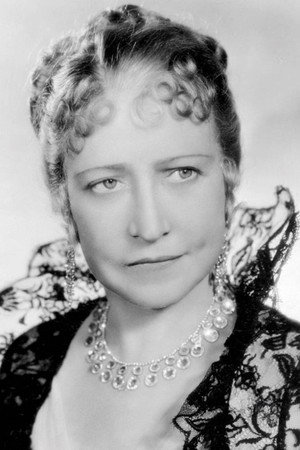
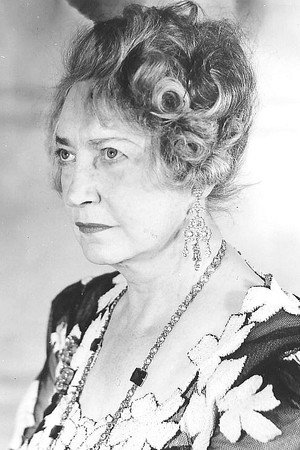
From Wikipedia, the free encyclopedia Georgia Caine (30 October 1876 – 4 April 1964) was an American actress who performed both on Broadway and in more than 80 films in her 51-year career. Born in San Francisco, California in 1876, the daughter of two Shakespearean actors, George Caine and the former Jennie Darragh, she travelled with them when they toured the country. Caine left school at the age of 17 to join a Shakespearean repertory company. She made her Broadway debut in 1899 as the star of the musical A Reign of Error. Caine continued to perform continuously on Broadway as a star or featured performer, primarily in musicals, until the mid-1930s, including in George M. Cohan's Little Nellie Kelly, as well as his Mary, and The O'Brien Girls,. She appeared in Franz Lehár's The Merry Widow both on Broadway and in London. Caine was often written about by theater columnists until the 1930s, when her star had started to fade. She made her last Broadway appearance in 1935, in Damon Runyon and Howard Lindsay's A Slight Case of Murder. With her stage career fading, Caine took advantage of the advent of talking pictures to change her focus and moved to California to work in Hollywood. In 1930, Caine made her first film, Good Intentions, and in the next twenty years appeared in 83 films, mostly playing character roles – mothers, aunts, and older neighbors – although she occasionally played against type, such as when she was a streetwalker in Camille (1936). Many of her parts were small and she did not receive screen credit for them. In 1940, Caine appeared as Barbara Stanwyck's mother in the film Remember the Night, which was written by Preston Sturges, and she would go on to become part of Sturges' unofficial "stock company" of character actresses, appearing in seven other films written by Sturges. Caine made her final film appearance in 1950, at the age of 73, in Kiss Tomorrow Goodbye. Caine in the musical Adele (1913) According to Marie Dressler The Unlikeliest Star by Betty Lee, about Caine's friend Marie Dressler, Caine was married to a prominent man from San Francisco by the 1920s, but the book gives no information on what his name was or when or for how long they were married. Georgia Caine died in Hollywood, California on 4 April 1964, at the age of 87, and is buried in Valhalla Memorial Park Cemetery in North Hollywood, California.
Filmography Movies
Acting
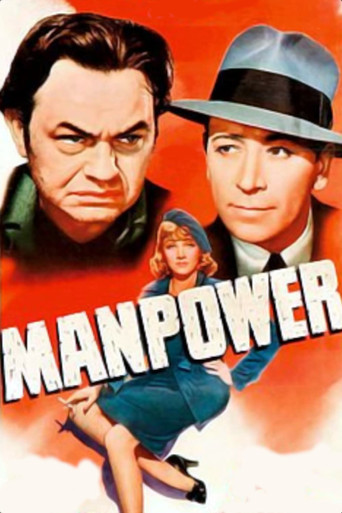
Manpower
Hank McHenry and Johnny Marshall work as power company linesmen. Hank is injured in an accident and subsequently promoted to foreman of the gang. Tensions start to show in the road crew as rivalry between Hank and Johnny increases.
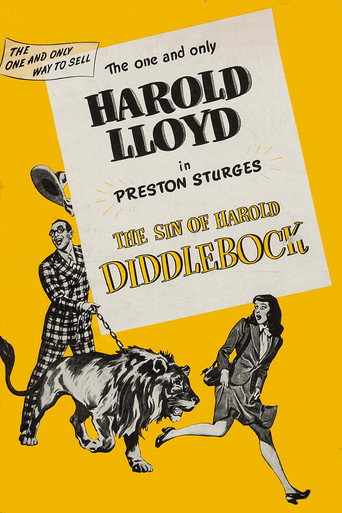
The Sin of Harold Diddlebock
Twenty-three years after scoring the winning touchdown for his college football team mild-mannered Harold Diddlebock, who has been stuck in a dull, dead-end book-keeping job for years, is let go by his pompous boss, advertising tycoon J.E. Wagglebury, with nothing but a tiny pension. Harold, who never touches the stuff, takes a stiff drink with his new pal... and another, and another. What happened Wednesday?

Christmas in July
An office clerk loves entering contests in the hopes of someday winning a fortune and marrying the girl he loves. His latest attempt is the Maxford House Coffee Slogan Contest. As a joke, some of his co-workers put together a fake telegram which says that he won the $25,000 grand prize.
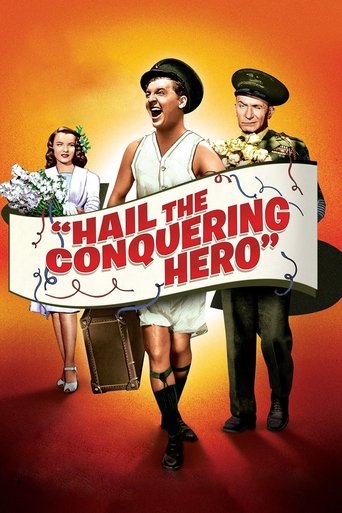
Hail the Conquering Hero
Having been discharged from the Marines for a hayfever condition before ever seeing action, Woodrow Lafayette Pershing Truesmith delays the return to his hometown, feeling that he is a failure. While in a moment of melancholy, he meets up with a group of Marines who befriend him and encourage him to return home to his mother by fabricating a story that he was wounded in battle with honorable discharge.
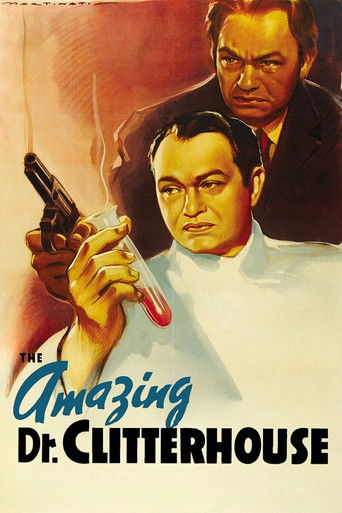
The Amazing Dr. Clitterhouse
A wealthy society doctor decides to research the medical aspects of criminal behaviour by becoming one himself. He joins a gang of thieves and proceeds to wrest leadership of the gang away from its extremely resentful leader.
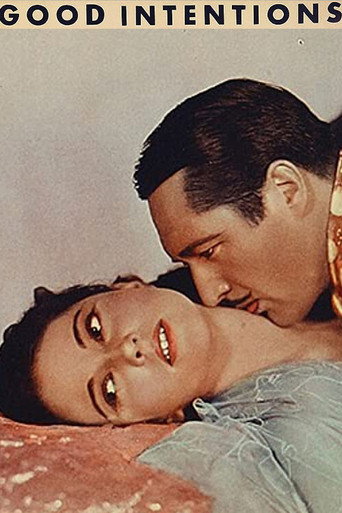
Good Intentions
When love came the way of this gentleman crook he turned to the right---only to be caught in the swirling eddy of his criminal past! (original ad)
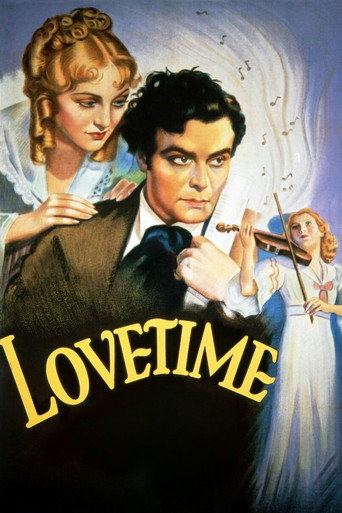
Love Time
Newly arrived in the nineteenth century court of Emperor Francis 1st of Austria Countess Valerie happens to overhear a young pianist and advises him to play with more feeling, for he is playing a piece by Franz Schubert, her favorite composer. Unknown to Valerie, the man is Schubert, and he playfully keeps his identity a secret. Valerie visits Franz the next day, and he teaches her to play the violin part of a new song he has written, and she hopes for romance though he still longs for his lost love Caroline. But as a week passes, he forgets Caroline and returns Valerie's affections. When Franz is evicted, there is much tumult, but he is finally called to court where his music is celebrated, and Valerie and he are reunited.
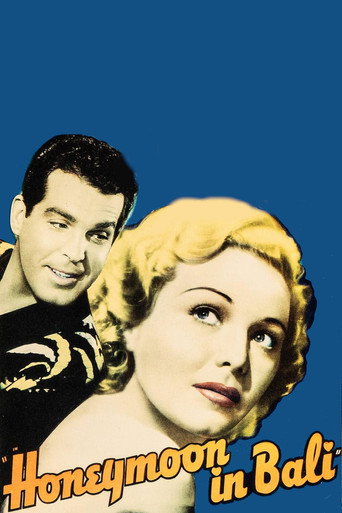
Honeymoon in Bali
Bill Burnett, a resident of Bali, visits New York City, meets and falls in love with Gail Allen, the successful manager of a Fifth Avenue shop, who is determined to remain free and independent. Bill proposes, Gail declines and Bill goes home to Bali. But a young girl, Rosie, and Tony the Window Cleaner, who dispels advice on every floor, soon have Gail thinking maybe she was a bit hasty with her no to Bill's proposal. Ere long she discovers that she does love Bill and can't live without him. She goes down to Bali to give him the good news. He learns that he is soon to marry Noel Van Ness. She goes back to New York City.
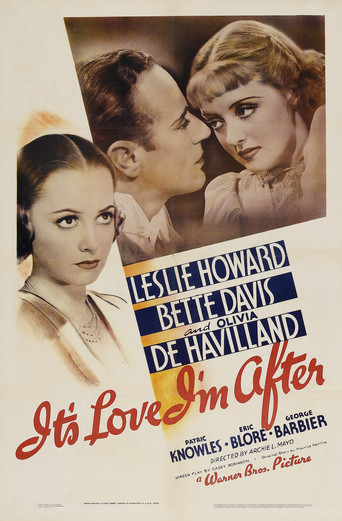
It's Love I'm After
An infatuated debutante renews a Shakespearean actor's running feud with his leading lady.
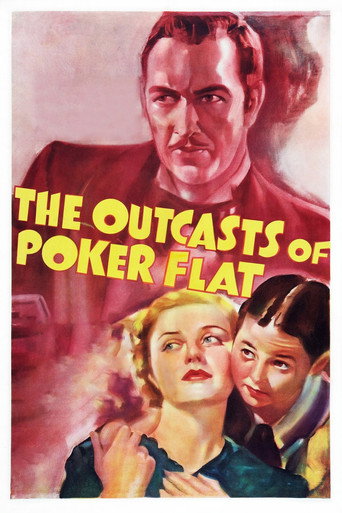
The Outcasts of Poker Flat
The 1937 film version of Bret Harte's story, starring Preston Foster.
Gallery