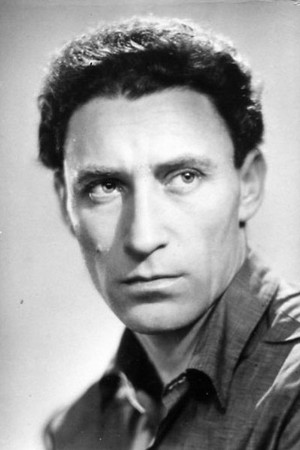
Georgi Popov Movies, TV Shows, and Filmography
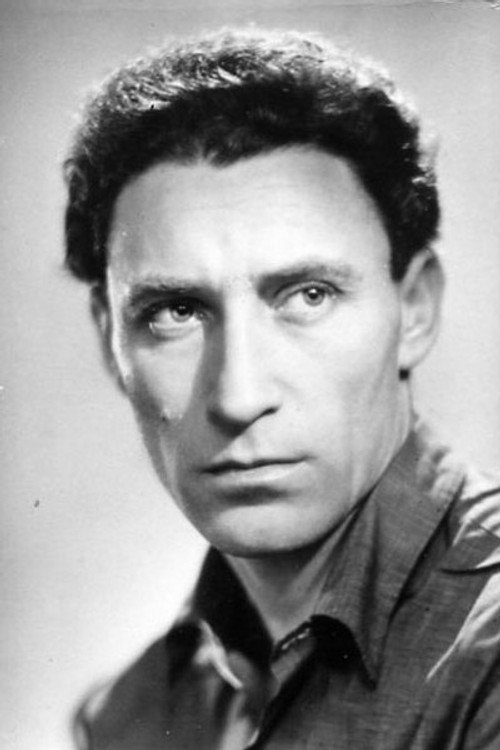
Georgi Popov
Acting
Biography
Georgi Popov is a Bulgarian actor . He was born on March 22, 1924 in the village Veselie, Burgas region, Bulgaria. In 1949, he graduated from the Drama School at the National Theatre in the class of Bojan Danovski . In the active creative period from 1954 to 1984 he appeared in 22 Bulgarian films, among which: " Adam's Rib " (1958), in the role of Adam; "Incredible History " (1964), in the role of a lawyer Egarov; " Ancient Coin " (1965), the role of Kanev; " At Every Kilometer " (1969), in the role of Major Weiss: Series 3 "Singing clock", Series 4 "Three amazing", Series 5 "Cross-Train". Georgi Popov was a husband of a prima ballerina Luba Kolchakova . Georgi Markov says about him: "Georgi could speak all languages of the world, pronouncing words with Bulgarian foreign perfect pronunciation. Looking at his serious, grim face, one would hardly have guessed his sharp sense of humor." Georgi Popov died on March 7, 1995 in Burgas, Bulgaria.
Filmography Movies
Acting
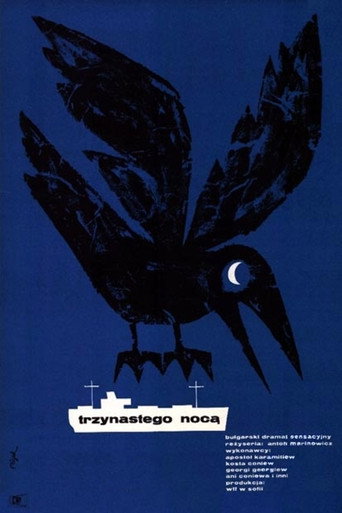
The Night of 13th
Todor Primov is an officer of the royal army who changes sides and goes over to the partisans. After the war, he graduates in engineering and is appointed manager of several construction projects. His car crashes on the eve of March 13. After his recovery, Primov resumes his work. Yet, secret information starts leaking from the projects and some serious accidents occur. Andrey, who befriended Todor Primov back in the partisan unit, goes to investigate the causes. He knows that Todor was colored-blind while this engineer distinguished colors. Andrey manages to get at the truth: Parvan Primov, Todor's twin brother, has made the car crash. On that night he killed his brother and took his place...
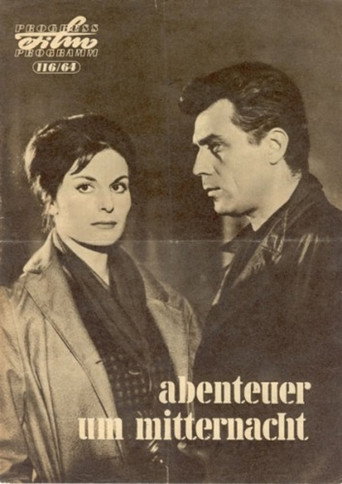
Adventure at Midnight
Abundant supplies of imported vaccine prove ineffective against an outbreak of foot-and-mouth disease epidemic in several population centers. Warehouse manager Rashkov has been found dead. Major Zahov has to investigate the case.
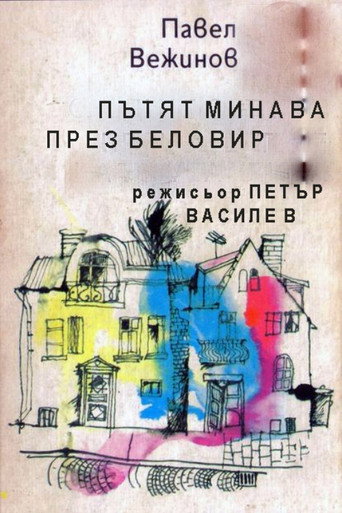
The Road Goes Through Belovir
Stamen, a civil engineer, gets a new assignment. He has to leave the capital and his friends and go to the construction site of a huge dam. On the train he meets Katya. He thinks she is an actress....

Amor holt sich nasse Füße
A young woman does everything she can to catch the eye of her chosen one. In the end, she even goes into the water - wearing a diving suit. A cheerful underwater love story for GDR television, which also casually promotes the diving section of the pre-military Society for Sport and Technology in the GDR.
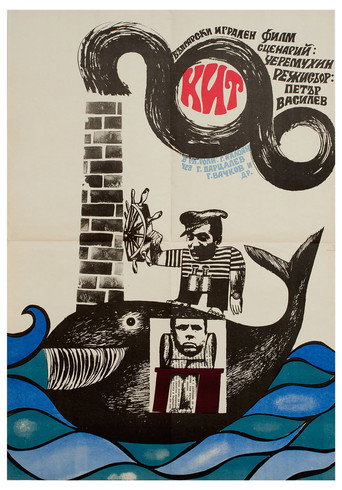
Whale
A fishing boat comes back to the port. Fishermen are crestfallen, as they have caught only one very little fish. To save face, they fib they have 300 kilo of mackerel on board the boat. In their will to report a success, the port administration decides to pad out the weight. So, the very little fish is grossly exaggerated into tons of belted bonito, then into dolphin and ultimately, into a whale. Which results in celebrations, honors and awards... There, naturally, is no any whale. Instead of brilliant display of an unprecedented success, the white collars make a brilliant display of their unparalleled foolishness.

The White Room
In a white ward in a clinic, a lifetime balance on the verge of death. Memories are herding together in the mind of seriously ill Aleksandrov, a scientist, who evaluates and reevaluates his own life: friendships, loves, career. Images of his youth are crowding in: of his beloved, of his children, of evenings spent with his friends, ups and downs. And no one is able to say if all this made any difference.
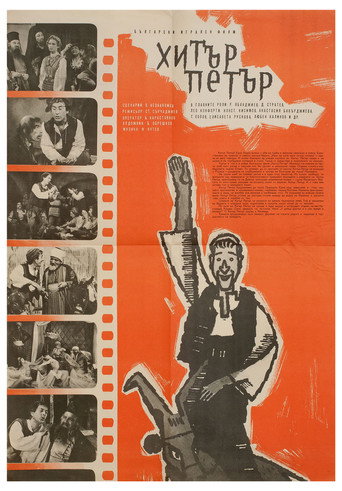
Clever Peter
Hitar Petar escapes every hard time the life gives him by using his quick mind.
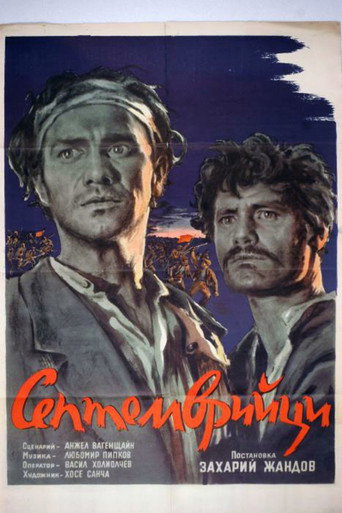
The Heroes of September
The film is dedicated to the uprising, which broke out in Bulgaria in September 1923. All characters, with the exception of the leaders of the uprising Georgi Dimitrov and Vasil Kolarov, are symbolic characters. The central figures, Stefan and Peter, impersonate the motive forces behind the uprising - the workers and the peasants. They are involved in worker's strikes, in the stormy events of the First World War and the Soldier's uprising in 1918. They also participate in the bloody clashes of the September uprising and suffer its defeat after they have seen too late the need for concerted action by communists and agrarians.
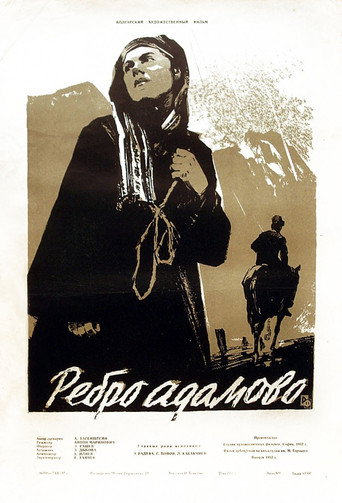
Adam's Rib
The young Bulgarian Muslim woman Zyulker wants to study and become a teacher. Her father decides to arrange a marriage to her. After the wedding, she runs away and goes to the town. There she starts work in a hostel. Her husband takes her back. He beats and humiliates her. She gives birth to her child prematurely, takes the baby and goes to the school for Muslim in the town. She has to surmount many difficulties. The young woman meets her first teacher Stefanov. The two fall in love. With his help, Zyulker finishes her study successfully and makes up her mind to return to her native village as a teacher. Stefanov follows her and proposes to her. The two embrace.
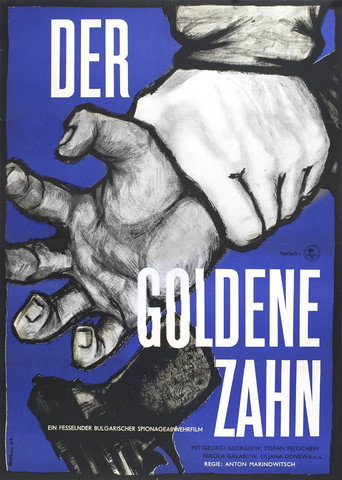
The Golden Tooth
Captain Lipovanski is badly wounded during World War II. The Germans take him prisoner. After the end of the war, he is set free in a foreign country. He has been deceived that he was sentenced to death as a deserter and that his pregnant wife had died in a Bulgarian concentration camp. He trains for subversive activities against his own country. He is given the codename 'Golden Tooth'. Eager for revenge, he arrives in Bulgaria. There he learns that an agent provocateur has killed his wife, that his child is safe and has been raised in a nursery, and that he himself is respected as a hero. Golden Tooth sets out to eliminate his accomplices. With a file containing valuable documents, the traitors prepare their escape abroad. The spies are caught at the border. Golden Tooth kills the last of the traitors and dies driving his lorry into a precipice.
Gallery