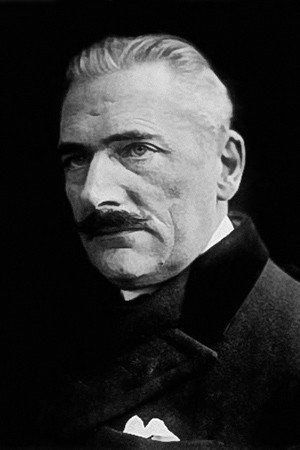
Georges Pallu Movies, TV Shows, and Filmography
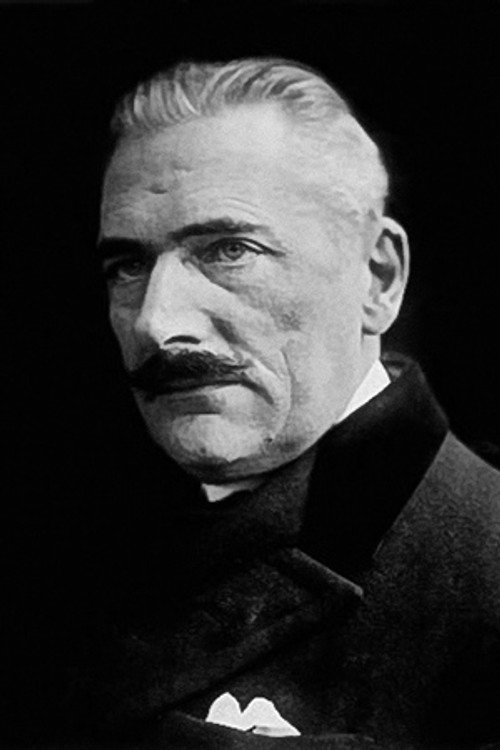
Georges Pallu
Directing
Biography
Lawyer and Army officer, he was personal secretary to the French Minister for Public Instruction, before he started working in films. He was contracted by Production company Invicta Film, from April 1, 1918, for one year as director ("metteur-en-scène"), to adapt Portuguese literary texts to the cinema. His contract was renewed until the company stopped film production in 15 February 1924. He was involved in buying equipment for the company, namely when he went to Paris with a major company partner to buy two development machines, and in negotiations to sell films in France. His first work of adapting the novel A Rosa do Adro (1919) to the cinema was so appreciated, that the Portuguese President confered upon him the honorary title of Knight of the Order of Christ ("Diário do Governo", 2nd Series, 28-12-1919).
Filmography Movies
Production
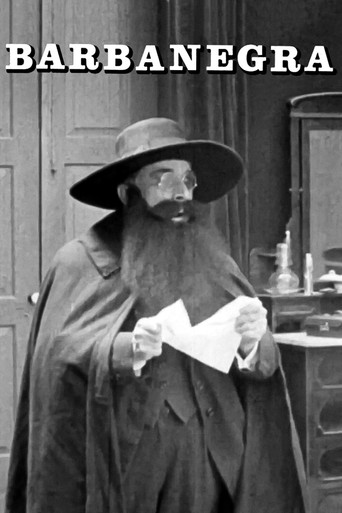
Barbanegra
Between the elegant areas of Cascais and Lisbon, dangerous delinquent Barbanegra acts under the identity of the insinuating Marquis de Serpa.
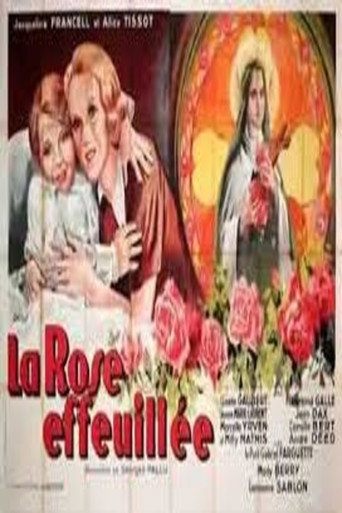
La Rose effeuillée
A washerwoman works so long for the same bosses that she gets to like their young son very much. One day she is unjustly accused of robbery, and dismissed. She suffers in her loneliness, until the day she hears that the boy is terminally ill, and there's no medical hope for him. She comes back and sits by him, praying to Saint Thérèse de Lisieux - and the miracle happens.
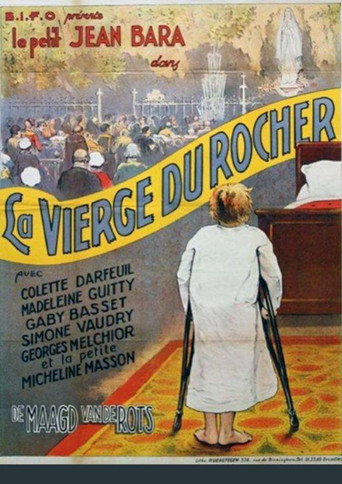
La vierge du rocher
A pious family, a non-believer, and a little boy who suffered an accident, whom a doctor believes is forever doomed to crutches: can he walk normally again due to his faith in the Virgin of Lourdes.

The Strange Bride
Two young people, during a hike on the C te d'Azur, meet a woman of great beauty whose driver has a sinister appearance. They find her in a castle. In reality it is a lunatic asylum whose head doctor has lost his mind. notes: Lilian Constantini protested after the presentation of the film, on the way it had been sounded. Indeed, the voice that had been lent to him had had the gift of bringing joy to the public.
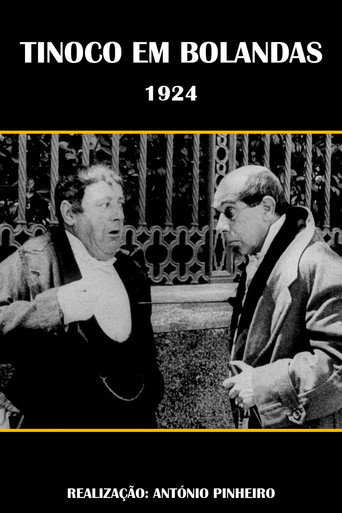
Tinoco em Bolandas
The domestic misfortunes of Duarte Tinoco, a married man with a free heart. At a time when the leading filmmakers in Portugal were foreigners working under contract with Invicta Film, the possibility of Portuguese artists with special skills moving into directing was a key project for that production company. This is how António Pinheiro, an acclaimed actor, came to direct Tinoco in Bolandas. The experience proved positive and was continued in another film. To make this film, António Pinheiro enlisted the help of his mentor, Georges Pallu, who had directed him in several films. In addition to appearing in the cast, Pallu was also responsible for adapting the play on which the script is based.
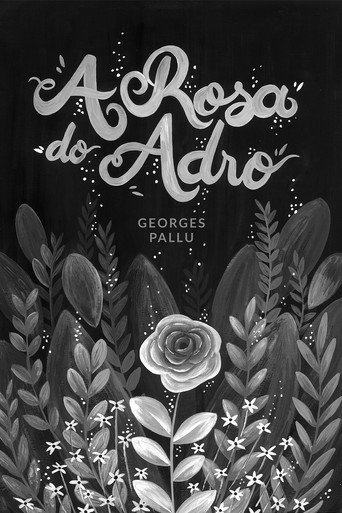
A Rosa do Adro
In the north of Portugal, country boy António is in love with his neighbour and childhood friend Rosa. However, his love for her is not reciprocated. One day, Rosa falls in love with Fernando, a medical student in Porto and the son of a wealthy farmer.
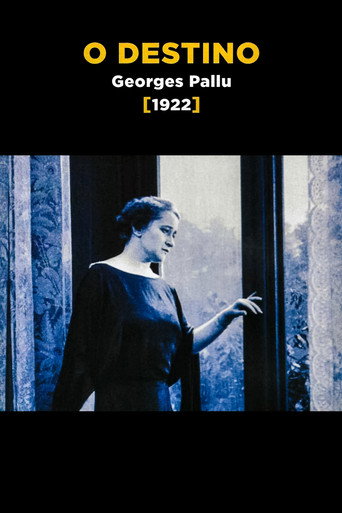
O Destino
Traveling by car to Sintra, a mysterious lady, arriving in Lisbon by ship, is the victim of an accident.
O Destino
Traveling by car to Sintra, a mysterious lady, arriving in Lisbon by ship, is the victim of an accident.
O Destino
Traveling by car to Sintra, a mysterious lady, arriving in Lisbon by ship, is the victim of an accident.

Amor de Perdição
Beiras, 19th century. The rapturous fatalism and the love tragedy between Teresa de Albuquerque and Simão Botelho, who survives the intolerant dispute between their noble families. Emphasis on Baltazar Coutinho’s (Teresa’s cousin and suitor) lethal rivalry, on blacksmith João da Cruz’ unconditional protection, and on Simão’s submissive adoration for his daughter Mariana…
Gallery