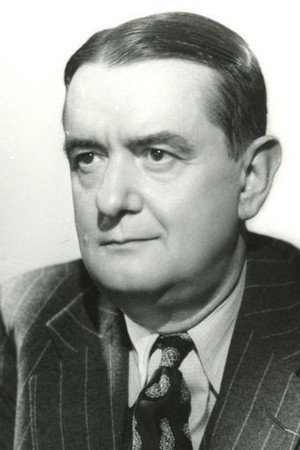
Georges Auric Movies, TV Shows, and Filmography
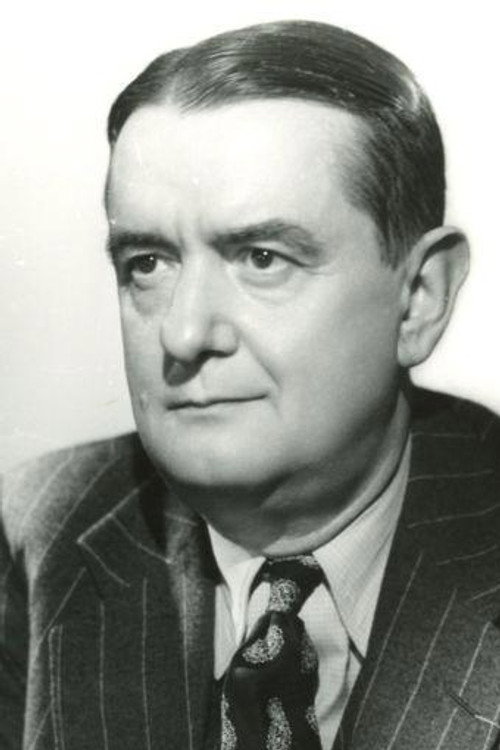
Georges Auric
Sound
Biography
Georges Auric (15 February 1899 – 23 July 1983) was a French composer, born in Lodève, Hérault, France. He was considered one of Les Six, a group of artists informally associated with Jean Cocteau and Erik Satie. Before he turned 20 he had orchestrated and written incidental music for several ballets and stage productions. He also had a long and distinguished career as a film composer. Georges Auric began his musical career at a young age, performing a piano recital at the Société musicale indépendante at the age of 14. Several songs that he had written were then performed in the following year by Société Nationale de Musique. Along with his early successes professionally, Auric studied music at the Paris Conservatoire, as well as composition with Vincent d'Indy at the Schola Cantorum de Paris and Albert Roussel. Having gained recognition as a child prodigy both in composition and piano performance, he became a protégé of Erik Satie during the following decade. During the 1910s and 20s, he was a significant contributor of avant-garde music in Paris and was significantly influenced by Cocteau and the other composers of Les Six. Auric's early compositions were marked by a reaction against the musical establishment and the use of referential material. Because of this and his association with Cocteau and Satie, Auric was grouped into Les Six by music critic Henri Collet, and was friends with the artist Jean Hugo. His participation led to writing settings of poetry and other texts as songs and musicals. Along with the other five composers, he contributed a piece to L'Album des Six. In 1921, Cocteau asked him to write the music for his ballet, Les Mariés de la tour Eiffel. He found himself short of time, so he asked his fellow composers of Les Six to contribute some music. All except Louis Durey agreed. During this time, he wrote his one-act opera Sous le masque (1927) (an earlier opera, La Reine de coeur (1919), is lost). It was also in 1927 that he contributed the Rondeau for the children's ballet L'Éventail de Jeanne, a collaboration between ten French composers. In 1952 he participated in yet another collaboration, the set of orchestral variations La Guirlande de Campra. Les Six, though an informal and short-lived group, became known for its reaction against the musical establishment of the time and the promotion of absurdism and satire; the group rebelled similarly against Wagner as it did against Debussy. The music of these composers, including Auric, represented the specific cultural scene of Paris at the time and rejected the international styles brought by Russian and German music, as well as the impressionism and symbolism of Debussy. Auric's later development as a populist composer was prefigured by many of the techniques and ideals of Les Six, especially the use of popular music and situations. Music of the circus or the dance hall played a significant role in the music of Les Six, especially in their actual collaborations. However, Les Six soon drew apart, with Auric and others taking different approaches to their art. ... Source: Article "Georges Auric" from Wikipedia in English, licensed under CC-BY-SA 3.0.
Filmography Movies
Acting
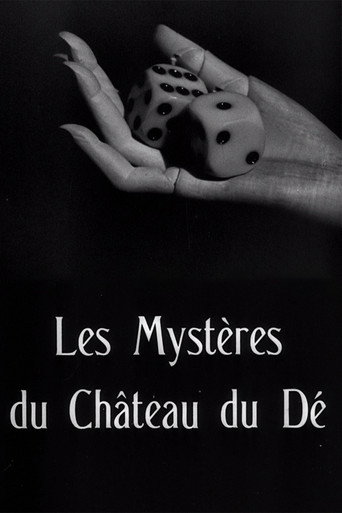
The Mysteries of the Chateau of Dice
Mannequin hands hold a pair of dice. A castle is perched on a hilltop. Below it, a posh, modern villa. Meanwhile, far from Paris, two men with masked faces play dice in a bar. They decide to drive to Paris. Country roads, hills, fences. The posh "chateau" appears again: meticulous garden, fancy interior, odd sculptures. And at home? "No one, NO ONE." For the next two days, masked figures play dice, frolic by the pool, perform exercises with a ball. Two new figures arrive. Masked. They search and find the dice. They dance. Mannequin hands hold a pair of dice.
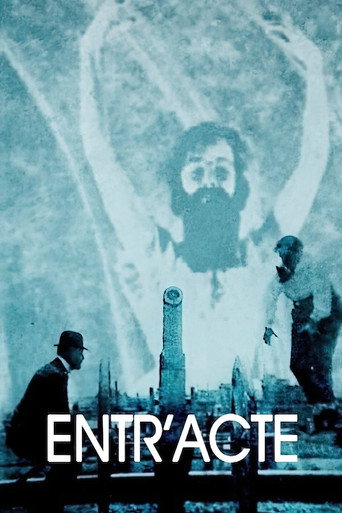
Entr'acte
Stop-motion photography blends with extreme slow-motion in Clair's first and most 'dada' film, composed of a series of zany, interconnected scenes. We witness a rooftop chess match between Marcel Duchamp and Man Ray, a hearse pulled by a camel (and chased by its pallbearers) and a dizzying roller coaster finale. A film of contradictions and agreements.
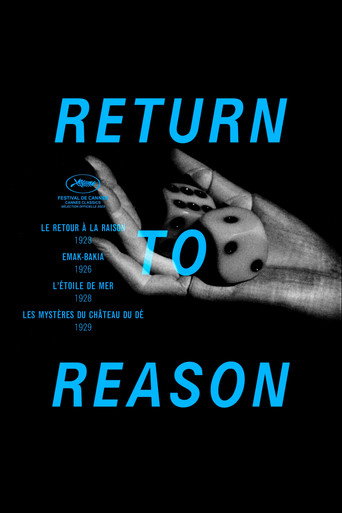
Return to Reason: Four Films by Man Ray
An immersion into the surreal and dreamlike world of painter, photographer and filmmaker Man Ray (1890-1976), one of the most prolific American visual artists, through four of his short films, brought to life by the atmospheric music of SQÜRL.
Production
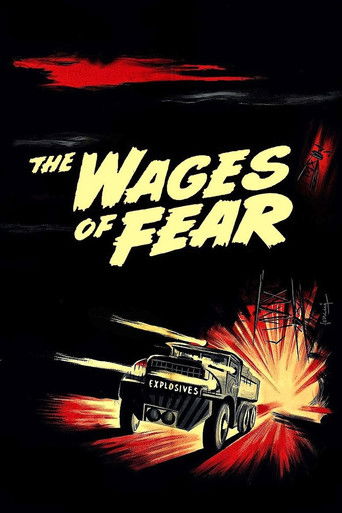
The Wages of Fear
In a run-down South American town, four men are paid to drive trucks loaded with nitroglycerin into the jungle through to the oil field. Friendships are tested and rivalries develop as they embark upon the perilous journey.
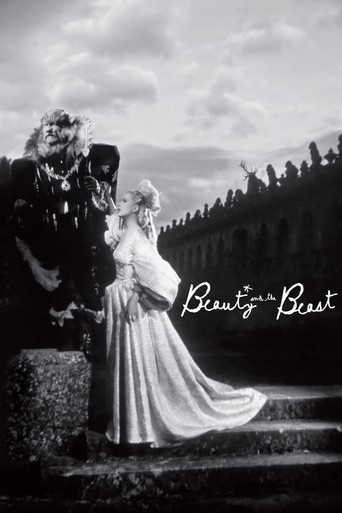
Beauty and the Beast
The story of a gentle-hearted beast in love with a simple and beautiful girl. She is drawn to the repellent but strangely fascinating Beast, who tests her fidelity by giving her a key, telling her that if she doesn't return it to him by a specific time, he will die of grief. She is unable to return the key on time, but it is revealed that the Beast is the genuinely handsome one. A simple tale of tragic love that turns into a surreal vision of death, desire, and beauty.
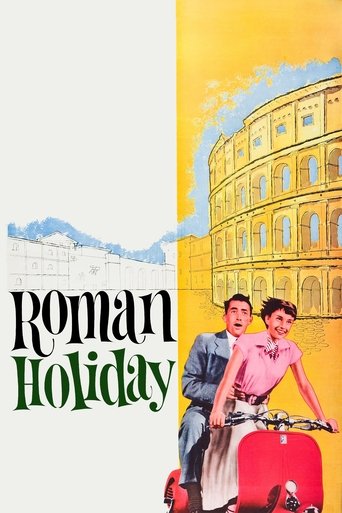
Roman Holiday
Overwhelmed by her suffocating schedule, touring European princess Ann takes off for a night while in Rome. When a sedative she took from her doctor kicks in, however, she falls asleep on a park bench and is found by an American reporter, Joe Bradley, who takes her back to his apartment for safety. At work the next morning, Joe finds out Ann's regal identity and bets his editor he can get exclusive interview with her, but romance soon gets in the way.
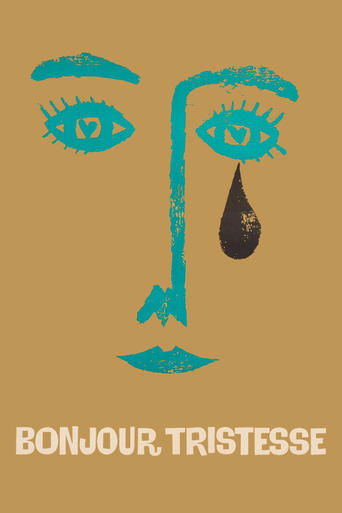
Bonjour Tristesse
A spoiled teenager spends the summer at the French Riviera with her rich, widower, playboy father, but when his old flame resurfaces, she resolves to keep her frivolous lifestyle at all costs.
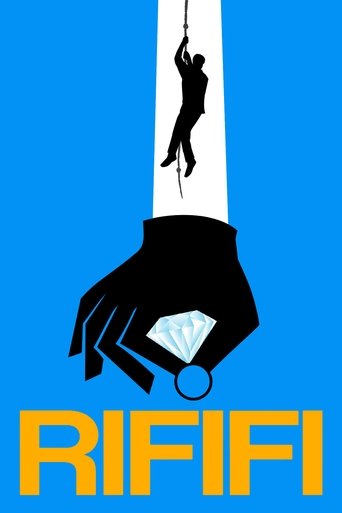
Rififi
Out of prison after a five-year stretch, jewel thief Tony turns down a quick job his friend Jo offers him, until he discovers that his old girlfriend Mado has become the lover of local gangster Pierre Grutter during Tony's absence. Expanding a minor smash-and-grab into a full-scale jewel heist, Tony and his crew appear to get away clean, but their actions after the job is completed threaten the lives of everyone involved.
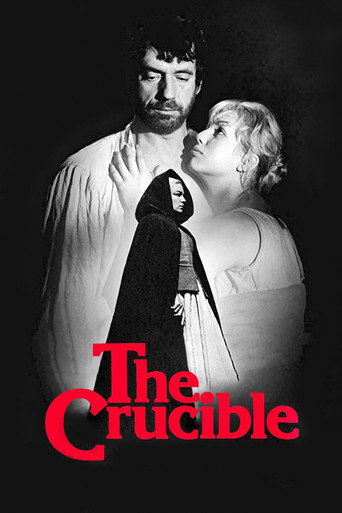
The Witches of Salem
Salem 1692. The young Abigail, seduced and abandoned by John Proctor, accuses John's wife of being a witch in revenge. A series of tragic trials soon befall Salem as fear and suspicion blur the lines of reality.
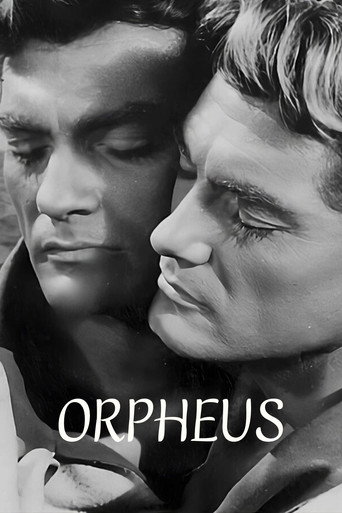
Orpheus
A famous poet in postwar Paris, scorned by the Left Bank youth, is in love with both his wife Eurydice and a mysterious princess. Seeking inspiration, the poet becomes obsessed and follows the princess from the world of the living to the land of the dead.
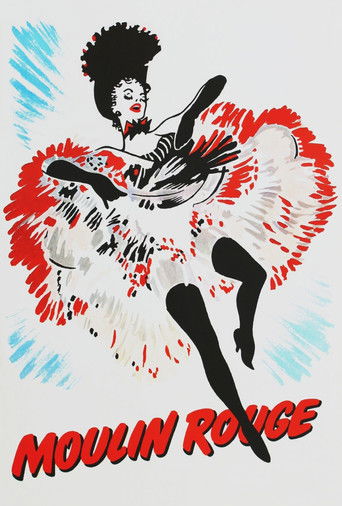
Moulin Rouge
In 1890 Paris, Moulin Rouge is a nightclub where crippled artist Toulouse-Lautrec feels like he fits in. In the following years, he meets two women who provide an opportunity for him to find true love.
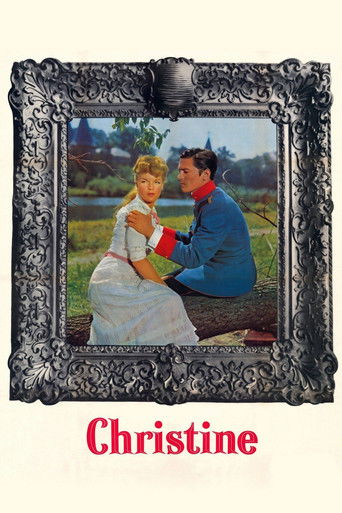
Christine
Vienna, 1906. A passionate love story develops between Franz Lobheiner and the young Christine. Lobheiner is, however, currently seeing the married Baroness von Eggersdorf. Upon learning of his wife's infidelity, the Baron von Eggersdorf provokes a duel with Lobheiner. But the former is no longer a real threat to the Baron. Lobheiner is now passionately in love with Christine. How will this love quartet end?
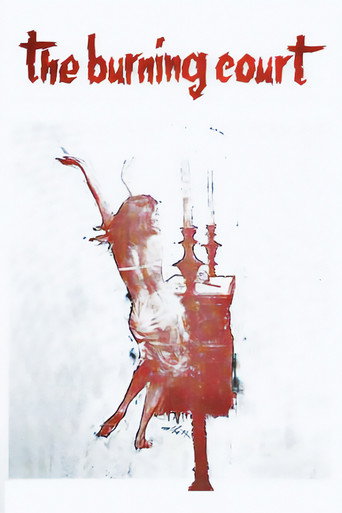
The Burning Court
A group of people visit a weird old man who is a student of the black arts. The man lives in an ancient, cursed castle. Soon people in the group start being killed off.
Gallery