George Reinhart Movies, TV Shows, and Filmography
George Reinhart
Production
Biography
No biography available.
Filmography Movies
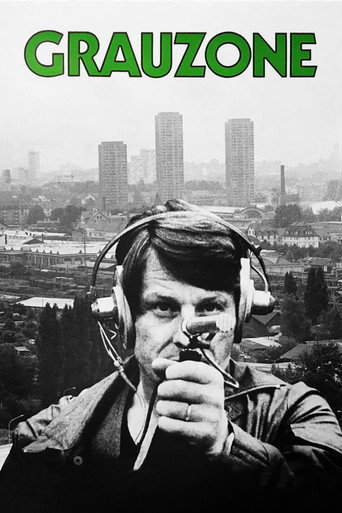
Production
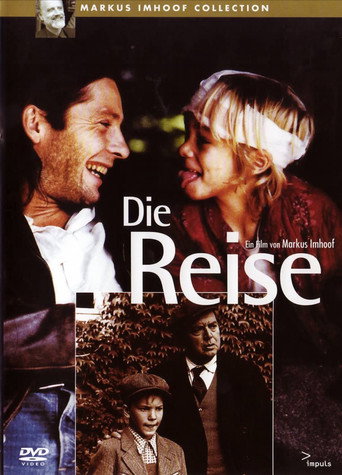
Die Reise
An unusual family story about two father and son generations, beginning on a German country side and ending in the students' revolt in Berlin.

Buster's Bedroom
A young woman who is obsessed with Buster Keaton stays in the sanatorium where the actor was once a patient.
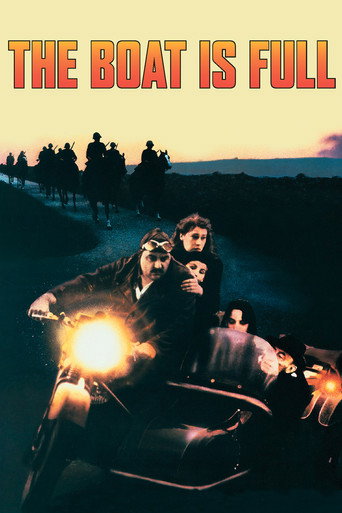
The Boat Is Full
During World War II, Switzerland severely limited refugees: "Our boat is full." A train from Germany halts briefly in an isolated corner of Switzerland. Six people jump off seeking asylum: four Jews, a French child, and a German soldier. They seek temporary refuge with a couple who run a village inn. They pose as a family: the deserter as husband, Judith as his wife, an old man from Vienna as her father, his granddaughter and the French lad, whom they beg to keep silent, as their children. Judith's teenage brother poses as a soldier. The fabrication unravels through chance and the local constable's exact investigation. Whom will the Swiss allow to stay? Who gets deported?
The Boat Is Full
During World War II, Switzerland severely limited refugees: "Our boat is full." A train from Germany halts briefly in an isolated corner of Switzerland. Six people jump off seeking asylum: four Jews, a French child, and a German soldier. They seek temporary refuge with a couple who run a village inn. They pose as a family: the deserter as husband, Judith as his wife, an old man from Vienna as her father, his granddaughter and the French lad, whom they beg to keep silent, as their children. Judith's teenage brother poses as a soldier. The fabrication unravels through chance and the local constable's exact investigation. Whom will the Swiss allow to stay? Who gets deported?
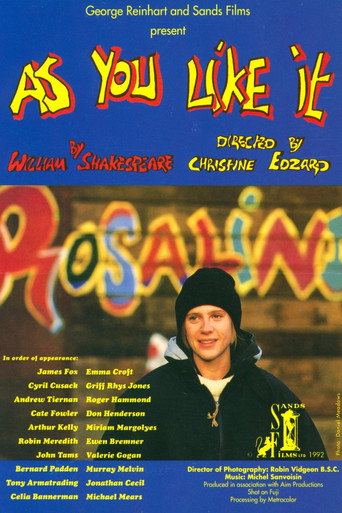
As You Like It
Hiding out in an industrial wasteland from the murderous wrath of a regional ruler, a woman, disguised as a boy, gives wooing lessons to the edgy lad who proclaims he loves her.
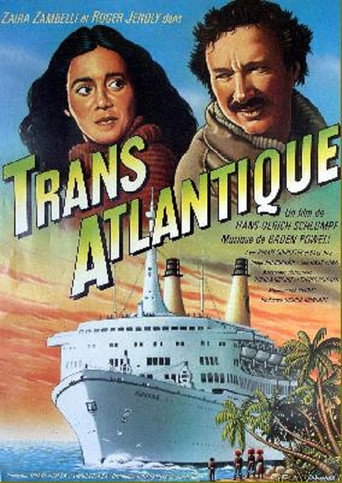
TransAtlantique
On the last voyage of the Italian ocean liner EUGENIO C. from Genoa to Rio de Janeiro, Zurich-based ethnologist Roger Wiedmer meets Brazilian Zaira Gelbert. He wants to repeat the journey to the Indians of the Amazon described by Claude Lévy-Strauss in "Tristes Tropiques" some forty years later and begins with the first chapter: "La fin des voyages." Zaira Gelbert returns to her roots in her homeland after a two-year stay in Europe. The love story between the two—which lasts the eleven days of the crossing—becomes a dialogue between two cultures. The encounter with Zaira opens Roger's eyes. Now he perceives the sea, the ship, and above all the passengers with their stories. He meets emigrants, poets, first-class passengers, tourists, crew members, priests. A stowaway is also traveling with them.
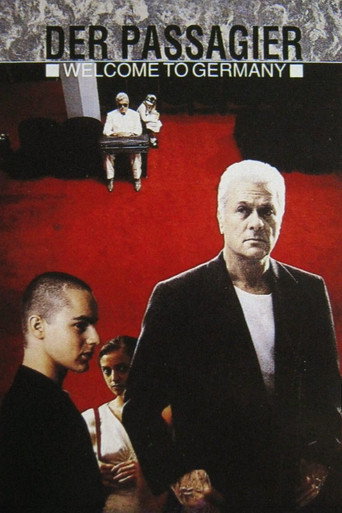
The Passenger – Welcome to Germany
An American filmmaker travels to modern day Berlin to make a film based on a real-life incident from 1942 in which 13 Jewish prisoners from a concentration camp were promised freedom if they appeared in a German propaganda film. Unfortunately, the Germans lied. The psychological process undergone by the modern filmmaker while shooting the story provides the basis of this arty and challenging film.
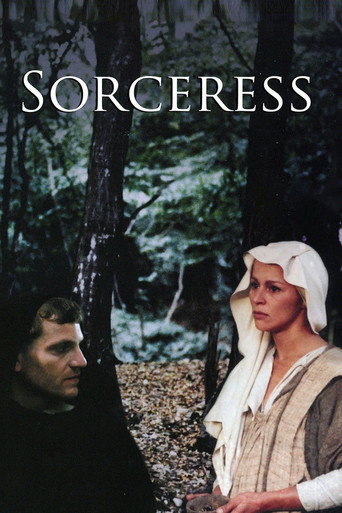
Sorceress
Dominican friar Etienne de Bourbon visits a 13th-century French village in search of heretics for the Inquisition. Despite the opposition of the local priest and the indifference of the villagers, he finds a seemingly perfect suspect: a young woman who lives in a forest outside the village and cures people with herbs and folk remedies. In the process, he discovers the cult of the greyhound "Saint" Guinefort, and confronts his own troubled past.