Sound
No biography available.
This TV documentary shows some of the colourful residents of and people connected with the New York Chelsea Hotel. Some highlights include Andy Warhol and William Burroughs having dinner; Quentin Crisp pontificating in a blue rinse hairdo on his balcony and Nico forgetting what she is talking about halfway through a dour rendition of "Chelsea Girls". A number of lesser-known characters also appear, linked together by a tour guide walking around the building and some sub-Shining sequences of a child cycling round the landings on a rickety tricycle.
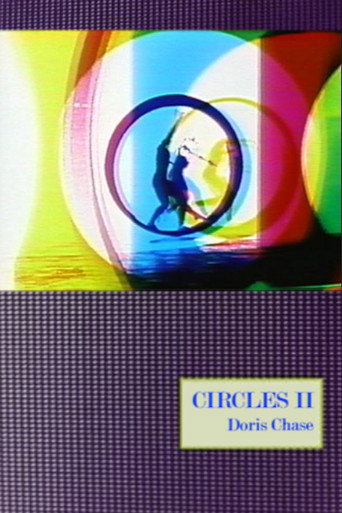
A dance film that explores new dimensions in color and space. The film develops like a fugue, with dancers (and giant undulating circle) moving through repeated themes and variations; All the while Brown and Olvey's dazzling color and printing effects electrify the viewer.
A video animation "commercial" on body movement and self awareness. Charming musical score of George Kleinsinger gives a "sing-along" pattern for dancers Lloyd Ritter and Kei Takei.
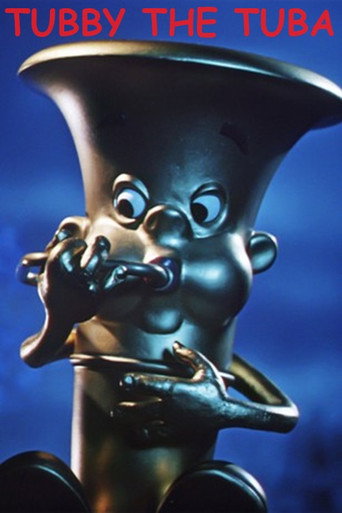
In this Puppetoon animated short film (an Academy Award Best Short Subject, Cartoons nominee), Tubby the Tuba is disappointed that his sound limits what he's permitted to do in an orchestra of self-playing instruments that, unlike him, get to play pretty melodies. A chance meeting with a bullfrog changes everything.
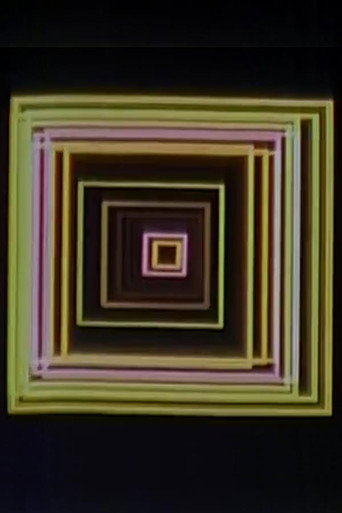
An abstract computer-generated film. The image is of squares revolving in space around and through each other. Colors and forms multiply and divide against a beautiful symphonic score by George Kleinsinger.
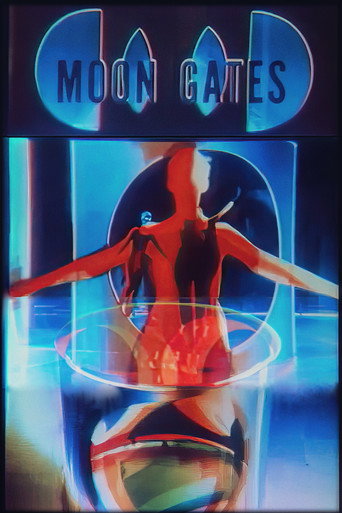
A dance film based on kinetic sculpture and employing the Mary Stanton Dance Ensemble. Through the kinetic sculptures, made specifically for the choreographer, move dancers each appearing in separate monochromatic images of cyan, yellow and magenta. When touched, the sculptures move lightly, taking on the quality of mobiles. Dance and sculpture, kinetic within their own forms, are combined to create new dynamics between people and forms in motion, in bold primary colors.
A dance film, one of a series of three, based on the kinetic sculpture designed by Doris Chase for ballet and commissioned by the Seattle Opera Company. Filming was done in the Avery Court of the Wadsworth Atheneum, Hartford, Connecticut. The film explores new dimensions in color and space.
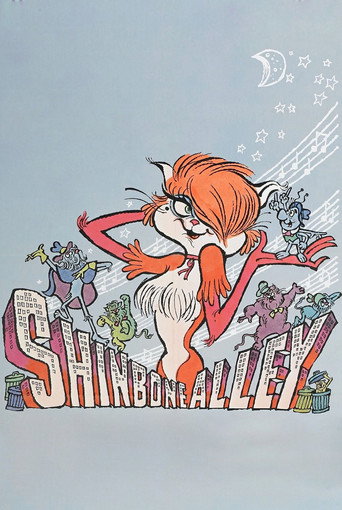
Suicidal poet Archy tries to end his life by jumping off a bridge, but awakens to find he has assumed the life of a cockroach and has become a part of a community of creatures living in a newspaper office. He also discovers that he can still write poetry, using a typewriter, and begins to enjoy his new life. Archy develops deep feelings for the lovely but self-destructive cat Mehitabel, but will have to fight to win her from bad-boy tomcat Bill.
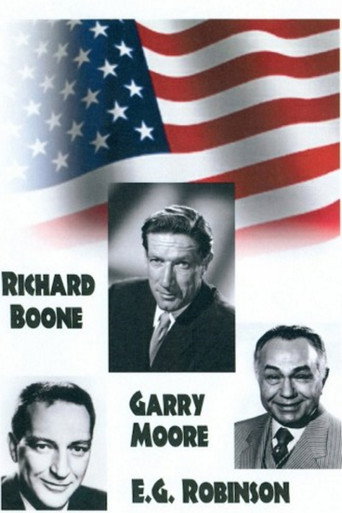
Film on presidential campaigns and the right to vote. Used as educational material in American classrooms.
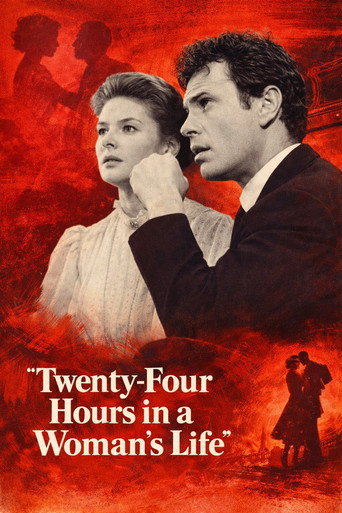
Helen Lester is in love with a man she has known just 24 hours, a playboy who spent time in jail for passing bad checks. Though the man has promised to change, most of her strait-laced relatives are up in arms. But Clare Lester, Helen's grandmother, says the girl is free to join the man she loves. On one condition, that she listen to the story of a day in Clare's own life and of a man she tried to change.