Acting
No biography available.
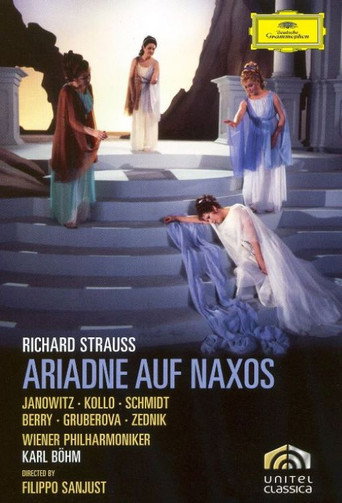
Opera in one act with prologue. Based on the production of the Vienna State Opera by Filippo Sanjust. Libretto by Hugo von Hofmannsthal
This performance was recorded in July 2008 at the Opernfestspiele St. Margarethen in Austria. The outdoor setting is stunning–it is a massive Roman quarry with mountains visible in the near and far distance–and apparently this Traviata is the first opera they’ve done without wild animals in residence (Nabucco, Aida, and Carmen have been shown in recent years). The sets are lavish enough to make Franco Zeffirelli blush. Designer Manfred Waba has placed the action in a reproduction of the Paris Opera, complete with stage boxes inhabited by patrons in their fanciest clothing who watch along with us. There is more gold than anyone would know what to do with.
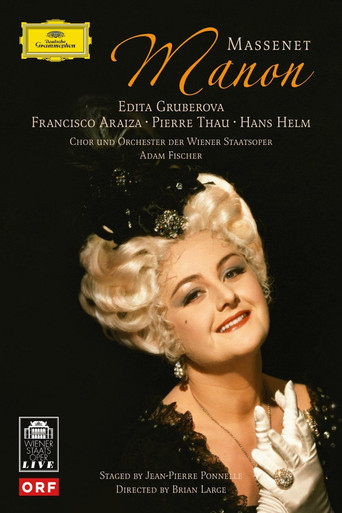
The sets and costumes by Ponnelle are truly reflective of the 'grand style'. Plus the fact that the two lead characters are portrayed by top singers in their absolute prime - both Gruberova and Araiza weren't even 35 years old at the time of this performance, makes this production the most convincing both dramatically and musically. The conducting of Fischer is good - he makes the music come alive, much more so than the MET version.
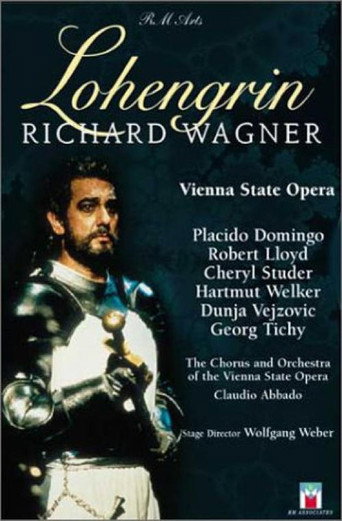
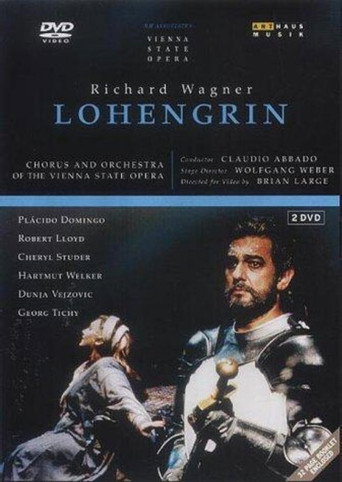
Lohengrin is a romantic opera in three acts composed and written by Richard Wagner.
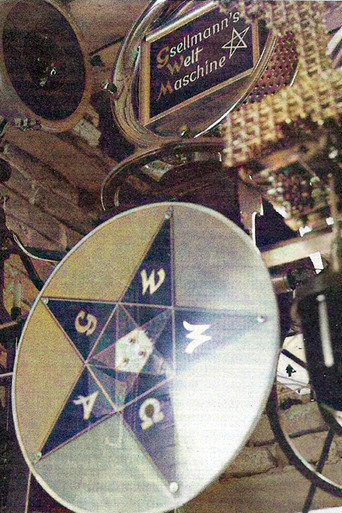
After the passing of her husband, the commissioned painter Anneliese Psiko decides to travel across the country. In the Austrian province of Styria, she discovers a strange work of art entitled "Weltmaschine" (World Machine). From now on, it will change her life significantly.
Drama Romance Musical
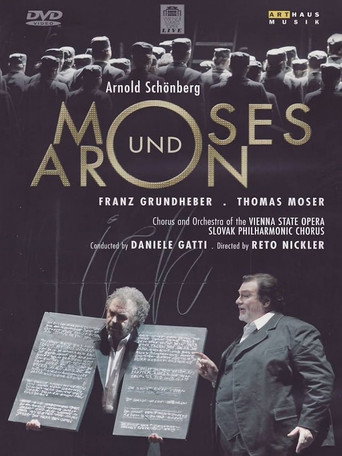
While a number of fine recordings of Moses und Aron exist, this unique DVD of the opera makes a staging of the work accessible, with a variety of camera angle, including a judicious mixture of close-ups and longer shots of the stage. The recording is all the more remarkable for its origins in a live performance, since audience sounds are almost negligible in the DVD. It is an exemplary presentation that merits attention for conveying the opera well. With the stage details intact, and the wide-angle shots planned to make the best use of the stagecraft, the Nickler production, prepared for television by Claus Viller, is a fine example of filmed opera. The sound is quite fine and brings across the nuanced direction of Daniele Gatti, whose efforts join the ranks of other fine interpreters of this work, including Pierre Boulez and Georg Solti.