Directing
No biography available.
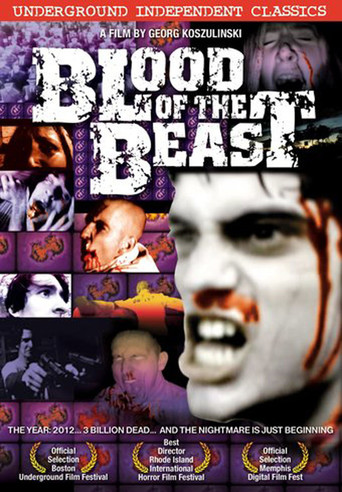
In the year 2012, the 3rd great war comes to an end. The war claims no victors, but both sides succeed in executing their chemical warfare campaigns. The result is over 3 billion deaths. Over ninety-eight percent of the male survivors are rendered sterile. Human reproduction is realized by means of cloning. The first strand of clones are harvested in December of 2012 and received with overwhelming success. It was not until nineteen years later that the first problems arose.
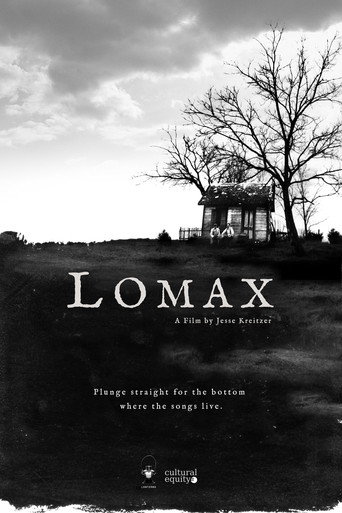
In 1941, folklorist Alan Lomax traveled from the Library of Congress to the Mississippi Delta to record an oral history of the blues. Equipped with 500 pounds of audio equipment powered by his car battery, he ventured across nameless roads to discover the most beautiful and harrowing songs ever sung.
Three narrators converge in the deserts of New Mexico, each with a separate story to tell. One narrator is J. Robert Oppenheimer, another is a visitor from outer space, and the other is me. Our stories converge across the span of time and space into a single stream of consciousness.
Filmed on the island of Haida Gwaii, this documentary depicts the ongoing resistance and resurgence of the Haida people and their culture against the different manifestations and trauma of colonization.
Juskatla weaves together perspectives of the people who live on the islands of Haida Gwaii-an archipelago on Canada's Northwest coast, and the ancestral territories of the Haida Nation. From industrial loggers who harvest trees from ancient forests, to Sphenia Jones, a Haida matriarch who bears an intimate knowledge of her People's territories, Juskatla meditates on the divergent ways of being that shape the islands and its people.
"Das Marsprojekt" merges non-fiction filmmaking traditions with science-fiction. The story revolves around the first-person account of a Martian colonist who reflects on her experiences leaving Earth, terraforming Mars, and ultimately taking part in the revolution for Martian independence.
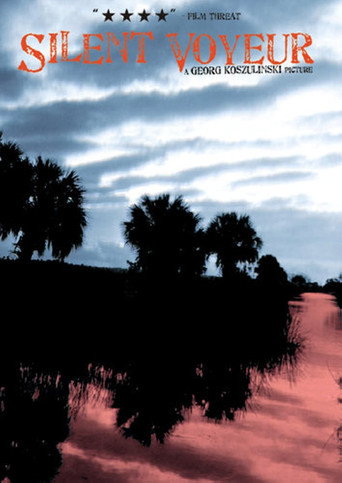
A man wakes up naked and alone in the middle of the vast Florida Everglades.
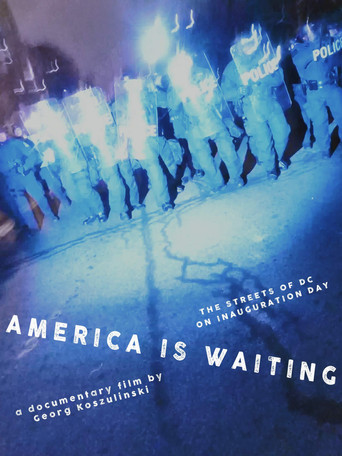
America is Waiting. Trump and company in Washington. "Why are you here?" Asks Georg Koszulinski with his camera in hand to several of thousands of protesters who, even from the early morning hours, take to the streets of Washington D.C. to await the inauguration ceremony of Donald Trump as president of the United States of America. The question is in itself the premise of this document of a historic day on North American soil. In this way, America is Waiting gives voice to those who oppose Trump as their president by occupying the spaces of the capital from where the tycoon will lead the nation for the next four years...
One America is Dvorak's, from his American String Quartet No. 12, composed in 1893. The other is mine, culled from found images of the America born from the moving image. Combined, the portrait spans three centuries
Frankenstein Revisited tells the story of a World War I veteran killed in action only to be brought back from the dead. After a team of scientists reanimate his corpse, they eventually succeed in destroying the monster they've created. But fifty years later, at the height of the Cold War, the monster is brought back to life once again, this time his brain replaced with a CPU, and his memories substituted with the history of the 20th century. But the power of memory proves too powerful for the madmen who would attempt to play God, as the man-turned-machine attempts to destroy his makers once more.
A fictional account of David Koresh’s last words, a cursory analysis of the pantheon of Icelandic sagas, a home movie taking into account 20 years of filming on an old Bolex 16mm camera, a series of reflections on the destructive nature of industrialized societies: a collage film, metaphysical road trip movie in time of pandemic and social uprising. A point-and-shoot epistolary fever dream collage film made in times of multiple crises.