Garin Nugroho Movies, TV Shows, and Filmography
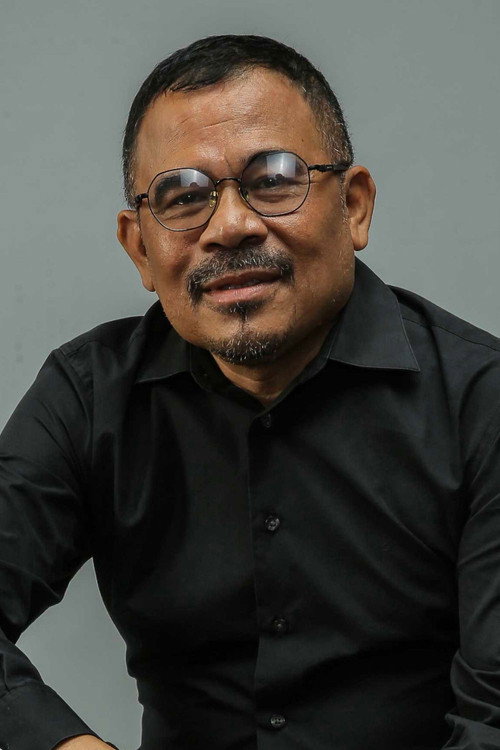
Garin Nugroho
Directing
Biography
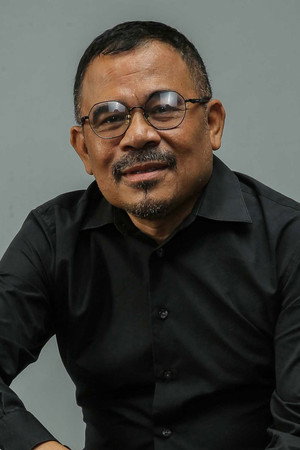
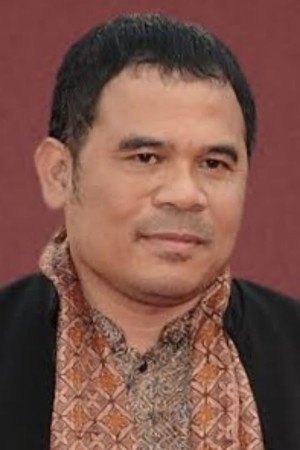
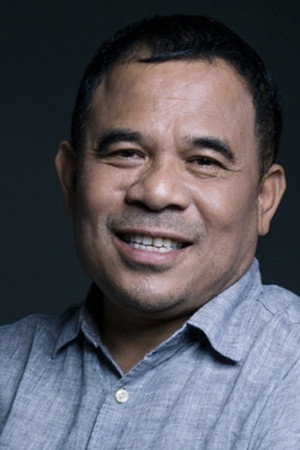
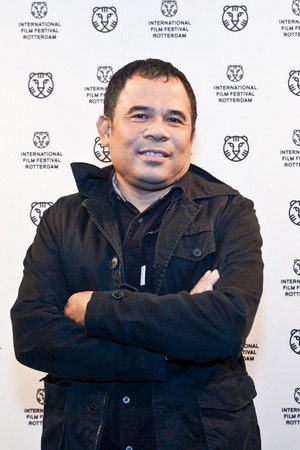
Garin Nugroho Riyanto (born June 6, 1961, in Yogyakarta) is a renowned Indonesian film director, screenwriter, and producer. He first gained widespread recognition after releasing his film Cinta dalam Sepotong Roti (A Slice of Love) in 1990. His works have often transcended national boundaries and earned international acclaim. One of his most notable films is Surat untuk Bidadari (Letter to an Angel) (1992), which brought him to the international film stage. Additionally, his film Daun di Atas Bantal (Leaf on a Pillow) (1998) became the first Indonesian film to be screened at the Cannes Film Festival. Garin is also well-known for other works such as Opera Jawa (2006) and Kucumbu Tubuh Indahku (Memories of My Body) (2018). His recent film, Whispers in the Dabbas (Nyanyi Sunyi dalam Rantang), premiered at the 54th International Film Festival Rotterdam in 2025. Throughout his career, Garin Nugroho has received numerous awards, including the Tempo Best Director Award in 2024 for his film Samsara. He is also recognized as a driving force behind various important cultural activities in Indonesia. With his dedication and innovation, Garin Nugroho continues to make significant contributions to the development of Indonesian cinema and culture.
Filmography Movies
Acting
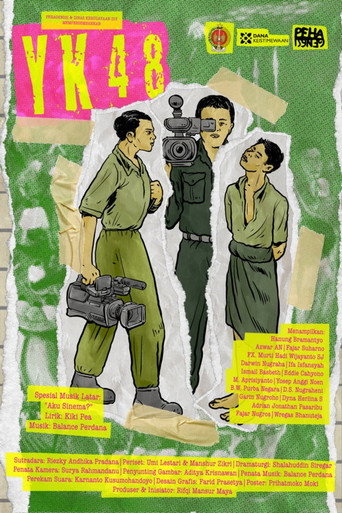
YK48
A documentary about the history of local film scene in Yogyakarta.
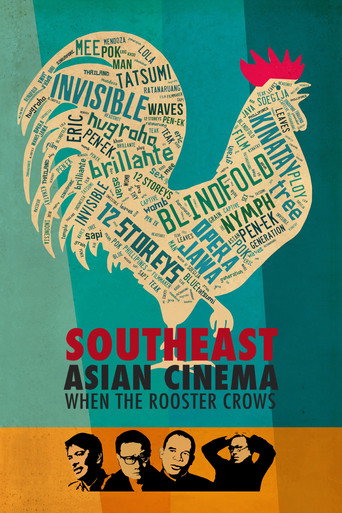
Southeast Asian Cinema – When the Rooster Crows
Southeast Asia Cinema - When the rooster crows is a voice of diversity reaching for change. Brillante Mendoza, Eric Khoo, Garin Nugroho, Pen Ek Ratanaruang give voice to a region rich with traditions, ethnic groups, languages, politics, and religions. It is cinema, at its purest form, fighting for freedom of expression, documenting real lives of ordinary people, giving voice to the underdogs and the outcasts. The amalgamation of these aspects gives birth to an ultra-neo-realistic cinema language currently unique to films from this region.
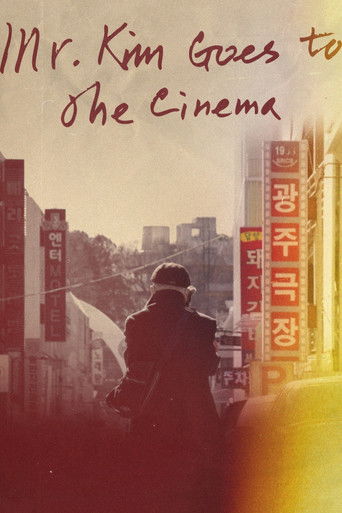
Mr. Kim Goes to the Cinema
After the COVID-19 pandemic, Busan International Film Festival founder Kim Dong-ho, at eighty-five, picks up a camcorder for the first time and decides to make a documentary. His lens turns toward cinemas struggling through the crisis, as beloved theaters vanish amid dwindling audiences. Seeking to reconnect with old friends, "Mr. Kim" — now nearing ninety — travels the world to talk with filmmakers and cinephiles. Through these encounters, he reflects on cinema’s past and future, finding wisdom and resilience in a time of transformation. His journey becomes a meditation on change, memory, and the enduring spirit of film.
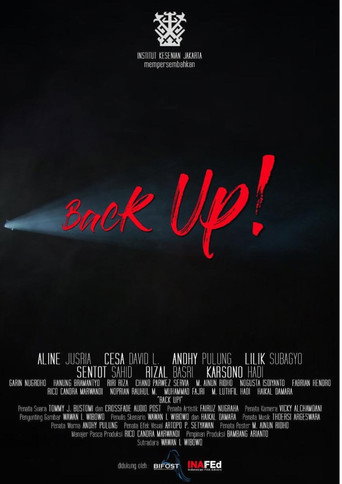
Back Up!
After filming is complete, an editor works in a room with his assistants. The editor experiences many stressful events while editing his film.
Production
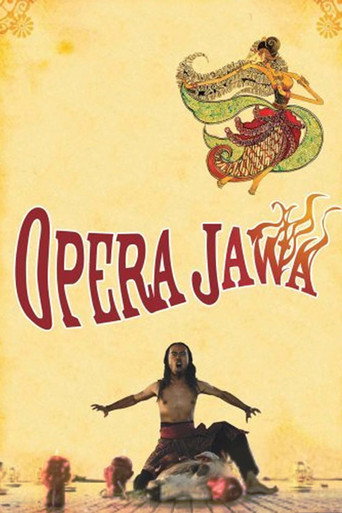
Requiem from Java
This is the story about Setyo, Siti and Ludiro, who were the performer of Javanese Ramayana's Wayang Wong. Setyo and Siti are spouse who live in a village by selling earthenware products. In the village, live as well Ludiro, the head of the stockyard, who is very wealthy and secretly in love with Siti. Conflicts arrived as Setyo's earthenware company is going bankrupt and Siti started to took notice in Ludiro's desire to win her love. These triangle love transform into a civil war in the village that brings not only extremity and injustice, but also the death of the loved ones.

Deadly Love Poem
Words of poetry spell certain death when a young woman grows increasingly distraught after a string of unusual murders take place.
Deadly Love Poem
Words of poetry spell certain death when a young woman grows increasingly distraught after a string of unusual murders take place.
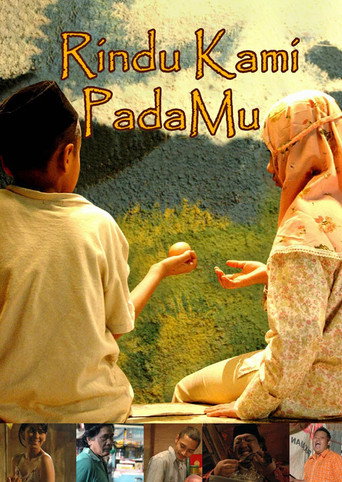
Of Love and Eggs
Set in and around a mosque in sprawling Jakarta, Indonesia, during the Muslim holiday of Lebaran, the interwoven stories of family, faith and romantic love in this humorous yet poignant film are revealed through the eyes of kids.
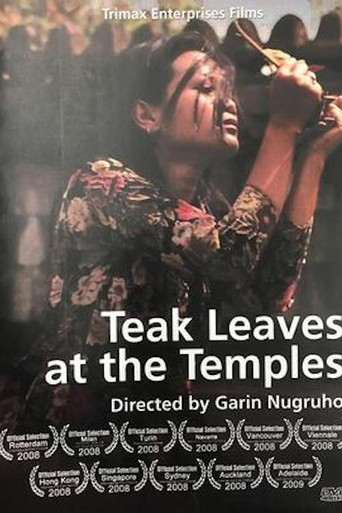
Teak Leaves at the Temples
The documentary presents a free jazz collaboration by Western jazz artistes Guerino Mozzola, Heinz Geisser, and Norris Jones, along with the community of Lima Gunung, the Sono Seni Ensemble, and the art community of the Boko, Prambanan and Borobudur temples. The scenes in the film are mostly taken around these three ancient temples. Drawing reference to the "jazz" of everyday life, Nugroho juxtaposes the domestic life of the village communities with the free form musical structure. In essence, free jazz parallels the lives of these communities: They adjust to the natural forces which affect their surroundings and are flexible to improvise when the need arises. Teak Leaves at the Temple is a fascinating piece of tapestry weaving together the diverse cultural influences of Indonesia. Under the masterful direction of Nugroho, this film promises yet again to deliver a breathtakingly beautiful journey into the heart of Indonesia's cultural heritage.
Sarung
"Sarung" follows a dancer who is inspired by this versatile piece of cloth and begins creating new choreography. In the process, she is reminded of her mother whom she has not seen in a long time, spurring her to make the journey home. Sombre yet moving, this film by award-winning director Garin Nugroho reflects on the notions of home and familial bonds.

Kejarlah Janji
Pertiwi, a strong and independent woman who took care of her three children: Adam, Sekar, and Isham until they became adults and left their hometown. Her husband died after losing the village head election against his rival, Janji Upaya. The children of Pertiwi, who blamed Janji Upaya for their father's death, harbored deep feelings of resentment towards Janji Upaya.
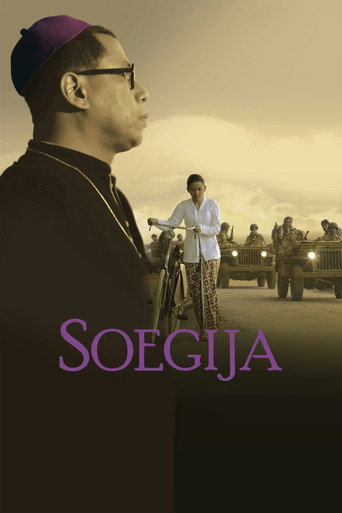
Soegija
This movie follows the story of Dutch East Indies' (now Indonesia) first indigenous bishop, Albertus Soegijapranata SJ, from his inauguration until the end of Indonesia's independence war (1940-1949).
Of Love and Eggs
Set in and around a mosque in sprawling Jakarta, Indonesia, during the Muslim holiday of Lebaran, the interwoven stories of family, faith and romantic love in this humorous yet poignant film are revealed through the eyes of kids.
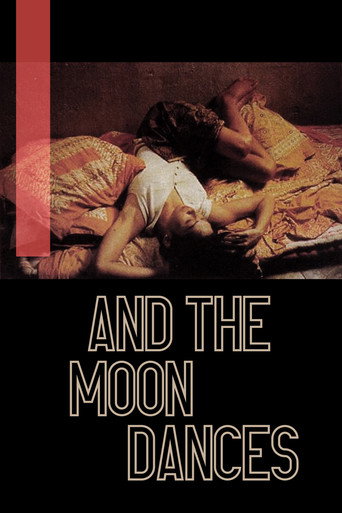
...And the Moon Dances
A story about a court musician student man named Ilalang who is faced by his trauma while studying court music.
Gallery