Acting
No biography available.
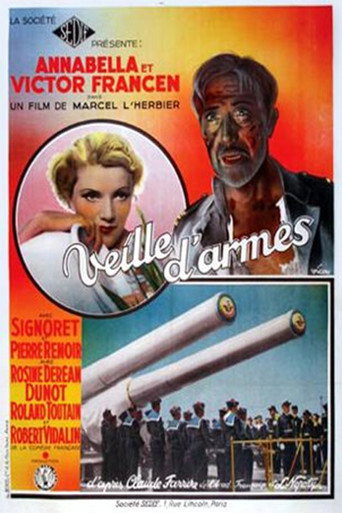
Before the Battle is the English-language title of this espionage melodrama. The first half of the film takes place aboard a French cruising ship, steaming through dangerous waters during WWI. Among the passengers is heroine Jeanne (Annabella), who was once in love with first-officer D'Artelles (Robert Vidalin) but he now seems strangely preoccupied. It turns out that the ship is on a secret mission, which ultimately dooms the vessel to a Lusitania-like death. After the sinking, Captain De Corlaix (Victor Francen) faces a court-martial, and it is at this point that the film clarifies several baffling plot points. Despite its complexity, the story is fairly believable, with the exception of the grafted-on romantic subplot.
Small rentiers do not want their son to marry a young rich girl. They hijack letters and prevent meetings. But love wins. Defeated, the parents accept this union which shocked their petty bourgeois but honest spirit.
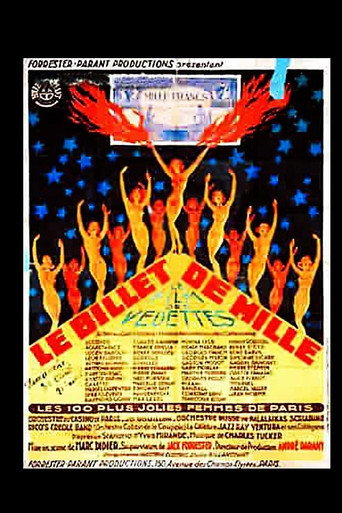
The tribulations of a banknote, from its exit from a counter to its destruction, passing through dozens of hands.
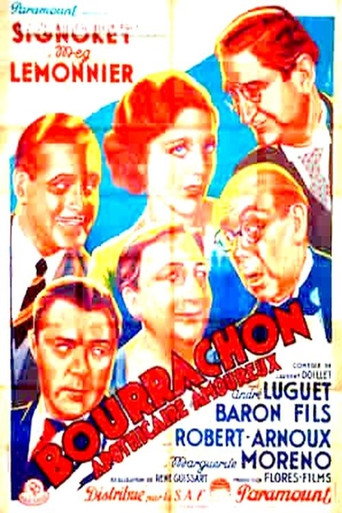
The pharmacist Bourrachon learns that his wife Adrienne deceives him with Dr. Rigal, whose specialties he sells in his pharmacy. His sister, the authoritarian Mrs. Bruneau, urged him to divorce and introduced Geneviève to substitute Adrienne. But after five months of marriage, Geneviève gives birth to a child whose real father turns out to be Henri, the salesman of the Bourrachon pharmacy. Mrs Bruneau will then try to persuade her brother to bring an action disavowal of paternity for the honor of the family and especially to protect the inheritance of his own daughters. But Bourrachon will eventually become attached to the child and endorse his paternity.
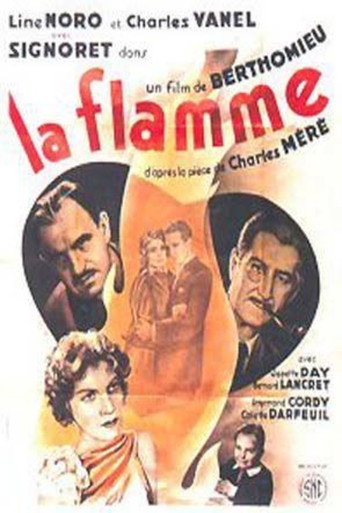
A woman of easy virtue rejects a proposal of marriage made to her by a rich lover. But when her son is taken from her to be brought up in the best conditions, she keeps thinking about him. When she finds him, twenty years later, she can not adapt to the environment to which he now belongs.
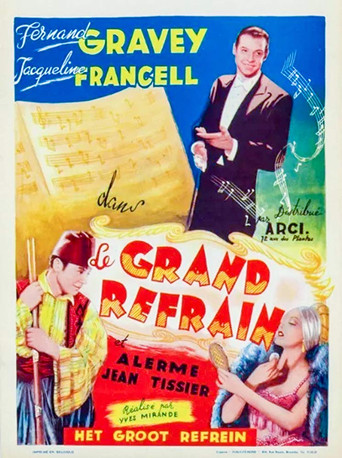
A ten-year old film when it was first released in the USA as "Symphonie D'Amour" in 1946. Panard (Fernand Gravet) is a talented composer who is having little success in his musical career. He is reduced to hiring out as a sandwich-board man to advertise what proves to be his own show. His girl, Jacqueline Francell, interests a Marquis in backing the show. She and Panard are happily reunited after the successful opening of his operetta.
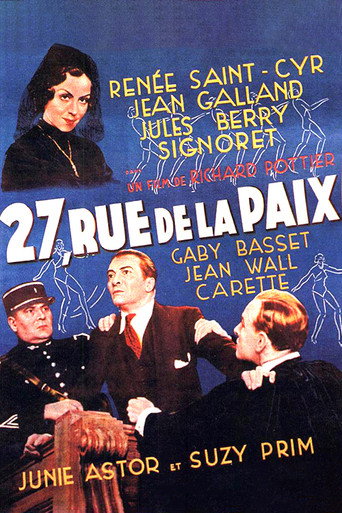
A young woman wishing to divorce, promises money to her husband's ex-mistress to obtain her testimony on her behalf. But the same evening, the corpse of the young woman is found in the Seine. Everything seems to confirm the husband's guilt, however a journalist disappears with the evidence.
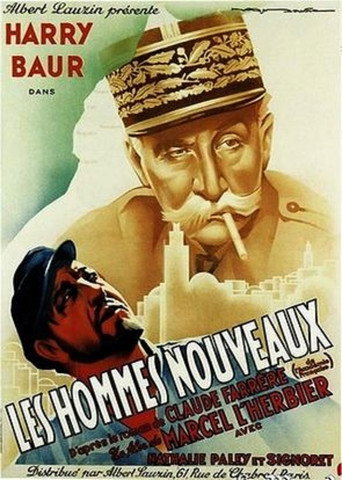
Dedicated to men, natives and French, which under the leadership of General Lyautey, made modern Morocco. After a historical prologue where we see Clemenceau yield to the entreaties of Lyautey, we are witnessing the arrival of settlers on Moroccan soil with the rapid rise of one of them: the ambitious Bourron. Similarly it has conquered the land from scratch, Bourron could conquer a woman, Christiane, who followed him not without confessing his love for another man. It is this love that Bourron will use later to acquire a forest of olive trees, which he believed to be the symbol of its success. Christiane accept but never forgive her husband...
19th Century Russia. State prosecutor Fedor Andreiev is presiding over the trial of a man who murdered his wife's lover. Despite a robust defence from the brilliant young lawyer Serge Rostoff, the accused man is found guilty and will be deported to Siberia. Having spoken to the condemned man, Fedor Andreiev sees a disturbing parallel with his own life...