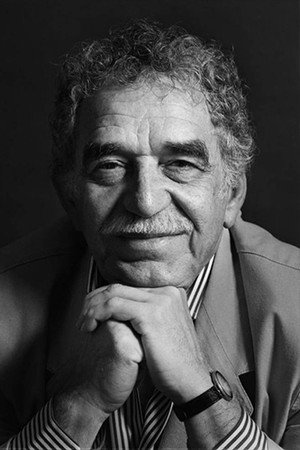
Gabriel García Márquez Movies, TV Shows, and Filmography
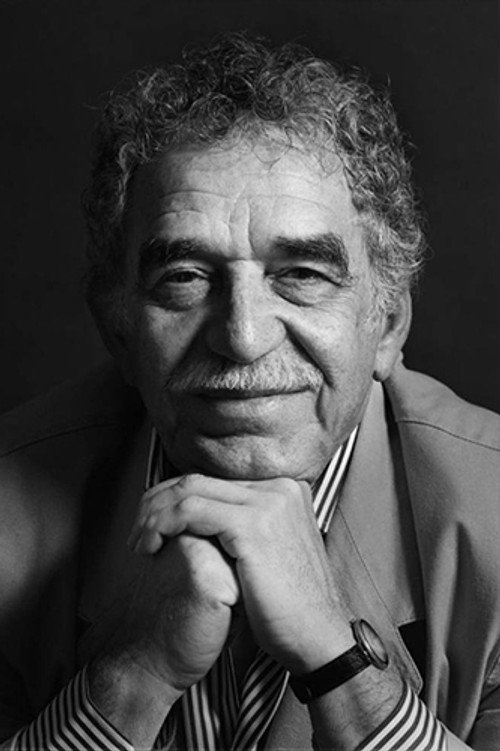
Gabriel García Márquez
Writing
Biography
Gabriel José de la Concordia García Márquez was a Colombian novelist, short-story writer, screenwriter and journalist, known affectionately as Gabo or Gabito throughout Latin America. (Wikipedia)
Filmography Movies
Acting
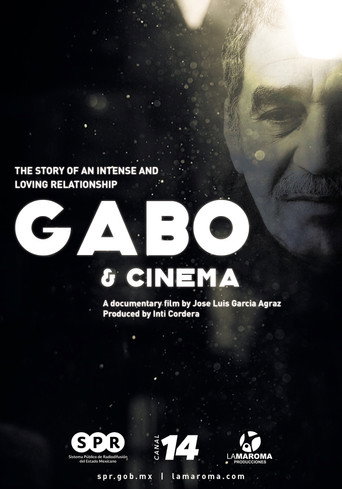
Gabo & Cinema
It is said that Nobel Prize winner Gabriel Garcia Marquez never allowed for a film adaptation of his singular masterpiece 'One Hundred Years of Solitude', arguably the most influential novel in any language of the second half of the twentieth century, to be produced. However, the prolific Colombian writer had strong ties to the movies.
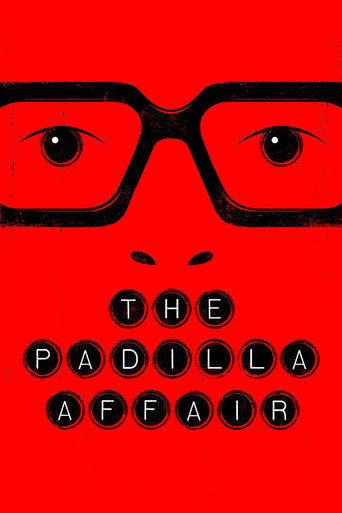
The Padilla Affair
Havana, spring 1971: The poet Heberto Padilla has just been set free and appears before the Cuban Writers' Union where he pronounces a statement of "heartfelt self-criticism", declares himself to be a counterrevolutionary agent and throws accusations of complicity at many of his colleagues present at the event, among them, his wife. A month previously, his arrest under the accusation of endangering the security of the Cuban state had mobilised prominent intellectuals all over the world, who wrote a letter to Fidel Castro calling for the release of the poet, whose only sin had been to dissent through his poetic work. The writer's mea culpa, the recording of which is shown for the first time to the public, marks the narrative line of a story including the testimonies of Gabriel García Márquez, Julio Cortázar, Mario Vargas Llosa, Jean-Paul Sartre, Jorge Edwards and Fidel Castro.
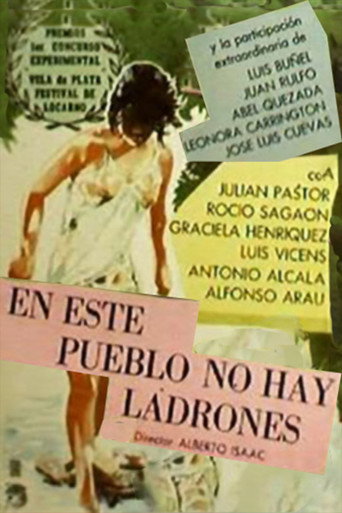
There Are No Thieves in This Village
When a young boy steals billiard balls from a local saloon, a stranger is charged with the crime. The local layabouts find there is no reason to hang out at the bar without being able to shoot pool, and the boy entertains thoughts of forming a gang to steal more billiard balls in hopes of making money.
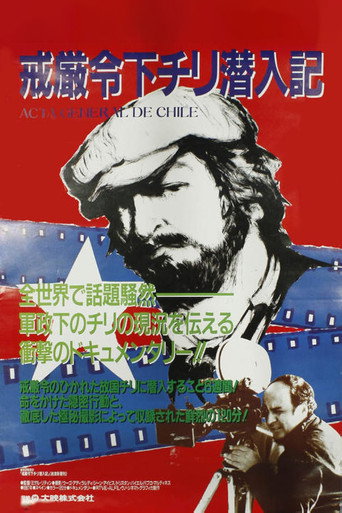
Chile: A Genral Record
In 1985, exiled director Miguel Littín secretly reentered Chile to film this sweeping documentary portrait of the country under the dictatorship of Augusto Pinochet. Shot clandestinely and later released as a four-part television series, the film combines interviews, historical reflection, and on-the-ground footage to examine Chile’s political climate more than a decade after the 1973 coup.
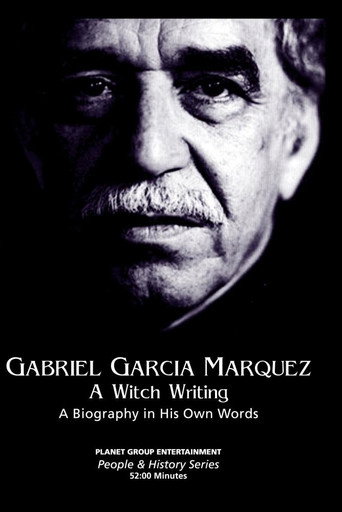
Gabriel García Márquez: A Witch Writing
In this spellbinding biography of Nobel Prize Winning author Gabriel García Márquez, the brilliant storyteller is interviewed in depth, and takes us between the worlds of magic and reality—a sorcerer’s tale, in his own words.
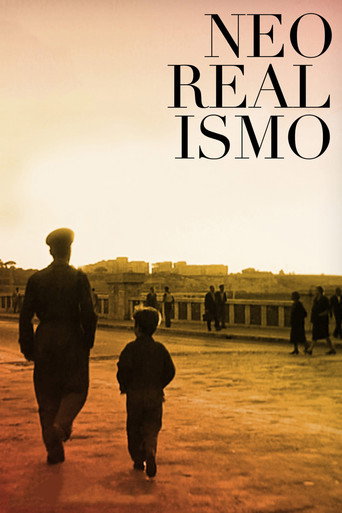
We Weren't Just Bicycle Thieves: Neorealism
This short film tells the story of the most important cinema trend that Italy has ever produced - Neo Realism. Born after the Second World War, this veritable cultural revolution rapidly became a boundless source of inspiration for movie-makers throughout the entire world. Even today it influences those wanting to produce quality movies characterized and identified as Italian products able to be exported as well. It is precisely one of the masters of this unique current rich in different personalities who introduces the story - Carlo Lizzani - whose 'lesson' reconstructs the birth and development of Neorealism in Italy. It combined innovative movie techniques with a new view based on a 'true' interpretation of reality. Due to its high cultural value, this short film was given the highest reknown of the Presidency of the Republic of Italy.
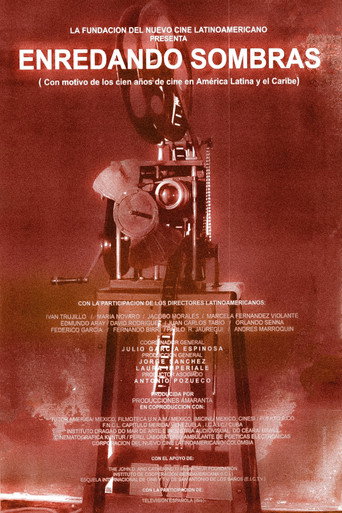
Entangling Shadows
Documentary that celebrates 100 years of cinema in Latin America and talks about the origins and the development of cinema in this subcontinent. Its structure is based in 12 short films directed by various Latin American directors. These are: 1) "Los inicios", Iván Trujillo 2) "Cuando comenzamos a hablar", María Novaro 3) "Jugando en serio", Jacobo Morales 4) "De cuerpo presente [Las espirales perpetuas del placer y el poder] Cine Mexicano [1931- 1997]", Marcela Fernández Violante 5) "Cuando quisimos ser adultos", Edmundo Aray and David Rodríguez 6) "Cinema Novo", Orlando Senna 7) "Memorias de una isla, Juan Carlos Tabío 8) "Un grito, 24 cuadros por segundo", Julio García-Espinosa 9) "El día de la independencia", Federico García 10) "¿Sólo las formas permanecen?", Fernando Birri and Pablo Rodríguez Gauregui 11) "Todo final es un principio", Andrés Marriquín.
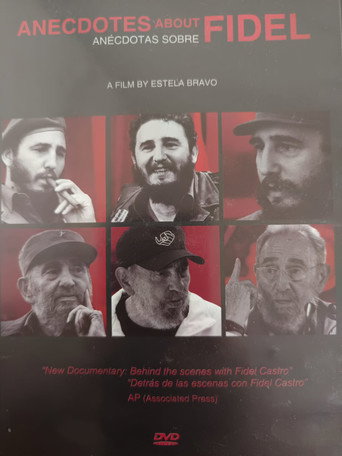
Anecdotes about Fidel
23 Anecdotes that reveal a personal side of Fidel Castro, told by Gabriel Garcia Márquez, Alicia Alonso, Alice Walter, Aleida, Che Guevara's daughter, Harry Belafonte, Jessie Jackson, Hank Aaron, Comandante Almeida and others.

José & Pilar
A deeply moving story about love, loss and literature, this documentary follows the days of José Saramago, the Nobel-laureate Portuguese novelist, and his wife, Pilar del Río. The film shows their whirlwind life of international travel, his passion for completing his masterpiece "The Elephant's Journey", and how their love quietly sustains them throughout.
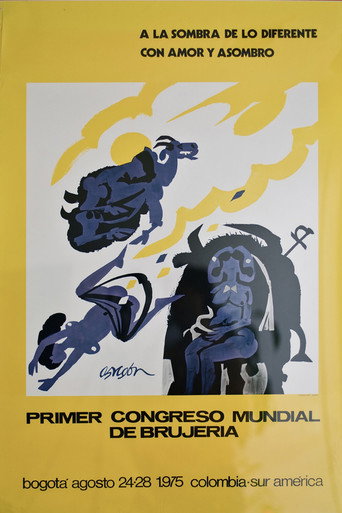
World Congress of Witchcraft 1975
The meeting in Bogota, Colombia, on Aug 27, 1975, brought together spiritualist from many cultures: Israeli mentalist Uri Geller, Italian surrealist Federica Fellini, American ESP-researcher Edgar D. Mitchell, Colombian fantasist Gabriel Garcia Márquez and Peruan/American anthropologist Carlos Castaneda.
Production
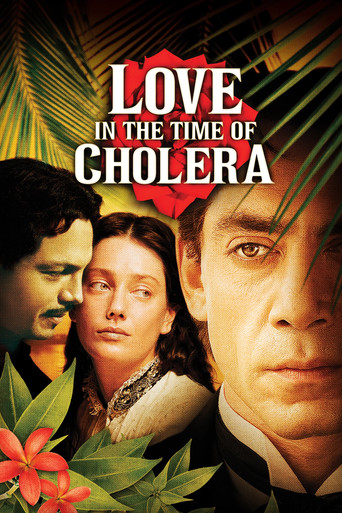
Love in the Time of Cholera
In Colombia just after the Great War, an old man falls from a ladder; dying, he professes great love for his wife. After the funeral, a man calls on the widow - she dismisses him angrily. Flash back more than 50 years to the day Florentino Ariza, a telegraph boy, falls in love with Fermina Daza, the daughter of a mule trader.
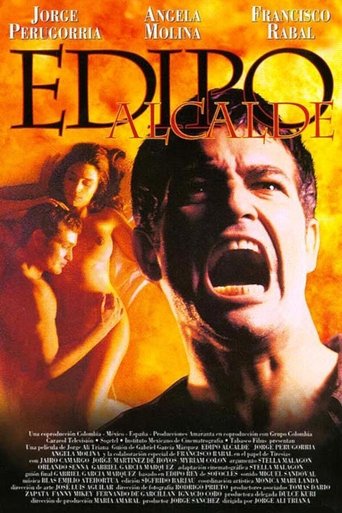
Oedipus Mayor
Edipo, is appointed mayor of a town plunged in misery and violence. His first mission is to discover and punish the murderers of Layo, a well-known potentate of the region. His investigation is directed towards all the armed factions that exist in Colombia.
Oedipus Mayor
Edipo, is appointed mayor of a town plunged in misery and violence. His first mission is to discover and punish the murderers of Layo, a well-known potentate of the region. His investigation is directed towards all the armed factions that exist in Colombia.

Patsy My Love
Written by future Nobel-prize winner Gabriel García Márquez, this is the story of Patsy, a wealthy debutante with an acute sense of living and boundless curiosity. She falls in love with an older man (Julio Alemán) whom is married and mediocre, and thus learns the hard way about unhappiness, marring her rose colored world.

Bloody Morning
Freely adapted from Gabriel García Márquez's Chronicle of a Death Foretold, the film follows the investigation of a local teacher's murder in a small and desperately poor rural village, the story of the crime gradually pieced together from the fragmented memories of witnesses forced to testify at an inquest. Sharing with her Fifth Generation colleagues Chen Kaige and Tian Zhuangzhuang a remarkable eye for the barren landscapes of northern China and a fascination with small-town life — especially those enduring superstitions that Communism failed to erase — director Li Shaohong also introduces several formal innovations, particularly in storytelling structure, that remain unprecedented in Chinese cinema.
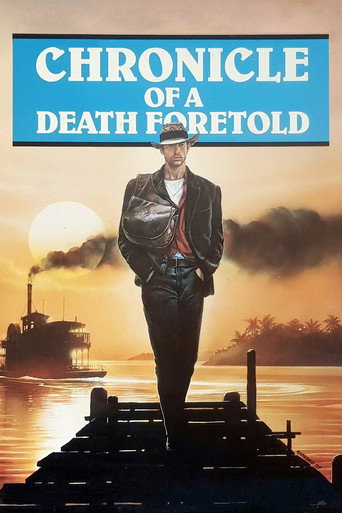
Chronicle of a Death Foretold
This suspenseful Italian crime drama is set in a Colombian river town and chronicles the series of events that led up to murder. Based on a novel by distinguished author Gabriel Garcia Marquez, the tale begins in the present as a middle-aged doctor returns to the village after a twenty-year absence to investigate the murder that occurred just before he left.
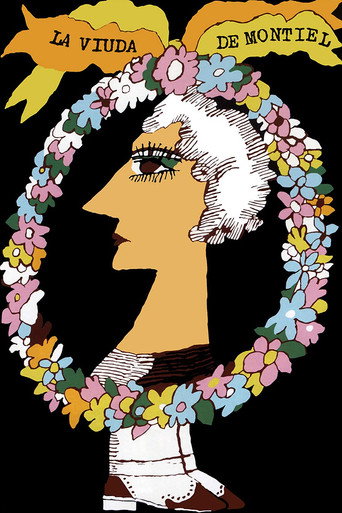
The Widow of Montiel
Mexican drama film directed by Miguel Littín. It is based on a short story of the same name by Gabriel García Marquez. It was entered into the 30th Berlin International Film Festival
There Are No Thieves in This Village
When a young boy steals billiard balls from a local saloon, a stranger is charged with the crime. The local layabouts find there is no reason to hang out at the bar without being able to shoot pool, and the boy entertains thoughts of forming a gang to steal more billiard balls in hopes of making money.
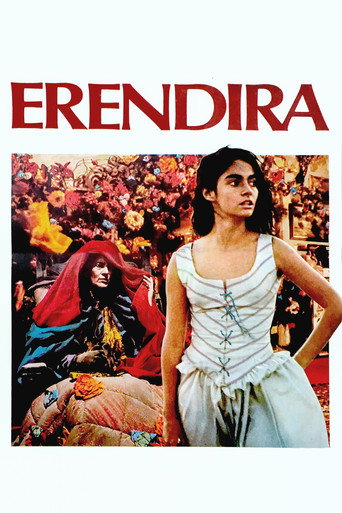
Erendira
While Erendira, a beautiful teenage girl, has a surreal mystical vision, her grandmother's house catches on fire and burns to the ground. Her grandmother holds Erendira responsible and, in order to extract restitution from the girl, forces her into prostitution. Erendira's surreal mystical experiences continue while her grandmother grows rich from exploiting her.
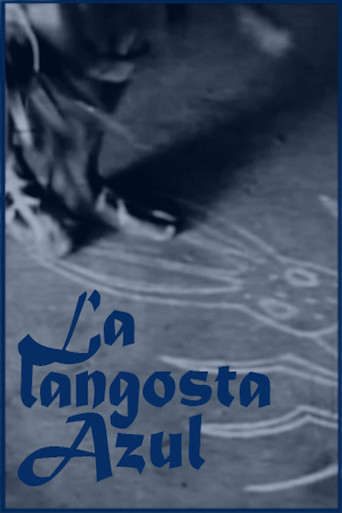
The Blue Lobster
Surrealist experimental film in which a foreign secret agent called "El Gringo," investigates the presence of radioactivity in some lobsters caught in a fishing village in the Caribbean. While taking a break at the hotel, a cat steals his lobster.
Gallery