Günter Grabbert Movies, TV Shows, and Filmography
Günter Grabbert
Acting
Biography
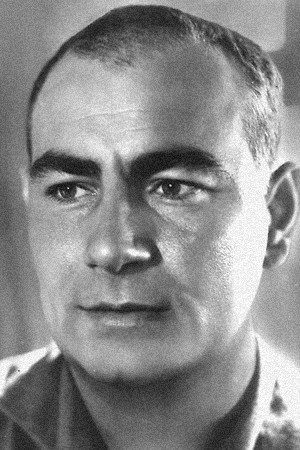
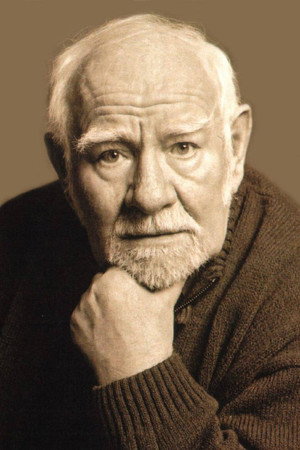
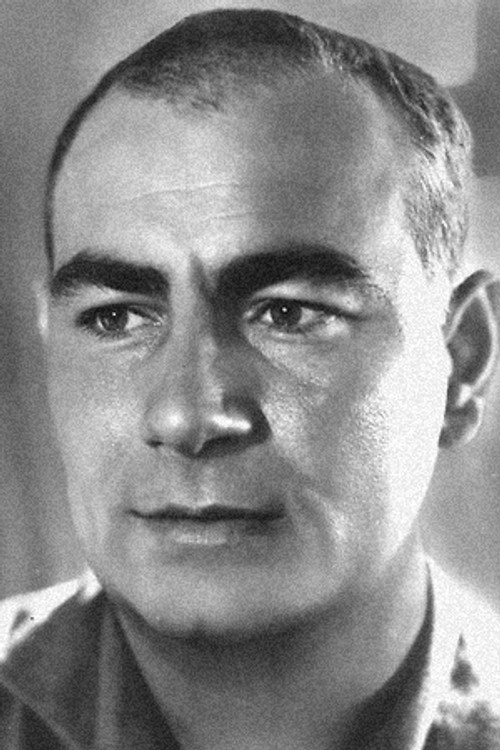
Günter Grabbert (also: Günther Grabbert; born January 15, 1931 in Schwerin; died December 15, 2010 in Leipzig) was a German actor. Günter Grabbert came from the amateur drama movement and played his first roles in performances by a group of the Society for German-Soviet Friendship at the Pushkin House in Schwerin. From 1950 to 1953, he studied acting at the German Theater Institute Weimar Schloß Belvedere. From 1956, he was a member of the ensemble of the Leipzig Schauspielhaus. He was also a particularly busy actor in GDR cinema, for example in 1962 in “Beschreibung eines Sommers“ after Karl-Heinz Jakobs. As a dubbing actor, he lent his German voice to Lex Barker, among others. On the theater stage, Günter Grabbert played almost all the major roles - Faust as well as Mephisto, Richard III, Karl Moor, King Lear, Peer Gynt, Galileo Galilei, Goya, Nathan and Falstaff. As a reciter, he was on the road with his own literary programs - after reunification throughout Germany - with texts by Goethe, Schiller, Ringelnatz and Wilhelm Busch, among others, usually accompanied by the guitarist Frank Fröhlich. His art of performance has also been recorded on recordings and audio books. One of his first releases in this regard was a record with Josef Čapek's Geschichten vom Hündchen und vom Kätzchen. In 1986, he was awarded the National Prize II Class for Art and Literature as a member of the acting collective of the television film Ernst Thälmann. Grabbert continued to appear in film and television even after reunification. He lived in the Gohlis district of Leipzig until the end.
Filmography Movies
Acting
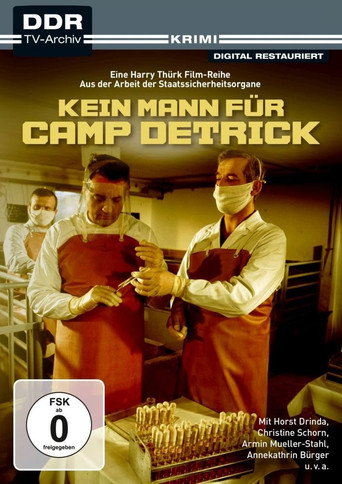
Kein Mann für Camp Detrick
Who doesn't know the dream of an unexpected million-dollar inheritance? For microbiologist Dr. Wolf, it seems to come true when an American lawyer visits him to tell him about the death of his distant uncle in the USA. Wolf is to receive an inheritance worth millions, but on one condition: He must continue to run his uncle's factory in the USA. The natural scientist is also offered the prospect of a research position at Camp Detrick. But after the memorable visit, Wolf discovers a listening device in his apartment. When he informs the People's Police, more and more inconsistencies come to light.
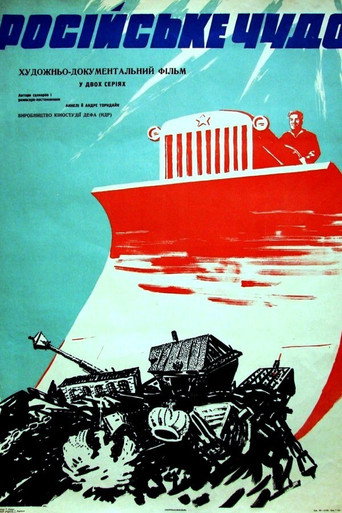
The Russian Miracle
A two-part East German documentary tracing Russia’s transformation from the Tsarist Empire to the Soviet Union, from the 1917 October Revolution to the achievements of the space program. Directed by Andrew Thorndike and Annelie Thorndike, the film assembles extensive archival footage to chart political upheaval, ideological consolidation, and technological ambition in twentieth-century Russia. Produced by DEFA and first broadcast on East German television in 1963.
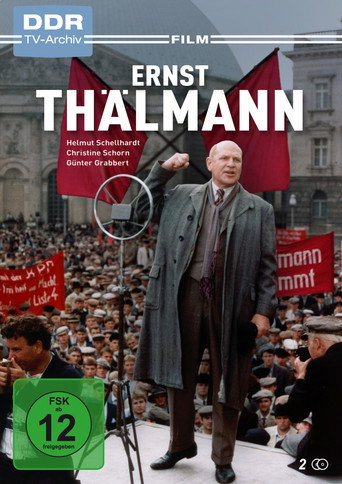
Ernst Thälmann
This elaborate two-part television film features a section from the life of communist worker leader Ernst Thälmann. It begins with the bloody riots on May 1, 1929 in Berlin, in which police officers shot at demonstrating workers, and ends with February 7, 1933, when Thälmann appeared as a speaker at the illegal meeting of the Central Committee of the Communist Party of Germany in goat neck. This period was marked by the struggle of the Communists against the ever stronger National Socialists and the rise of Adolf Hitler.
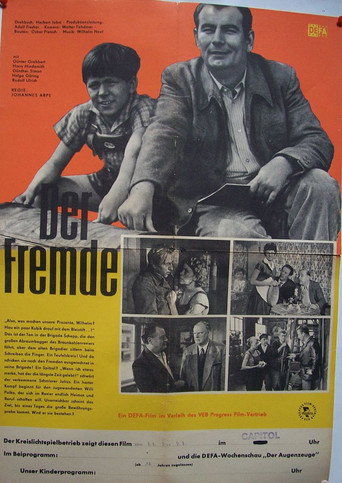
Der Fremde
After years of drifting around, Willi Palko arrives in the lignite mining area. He was not only looking for a new job, but also wanted to finally settle down here. The party leadership sends him to the Schepp brigade, which has made itself "suspicious" (on paper) due to its extremely high production figures. The stranger is accused of being a spy for the factory management. Willi finds it difficult to assert himself, but he is taken with the big excavator, the prospect of one day being allowed to drive it, and the brash flapper Hanna. He stays, and with his help a mine foreman is exposed as a Western agent and coal production is brought up to a really high level.
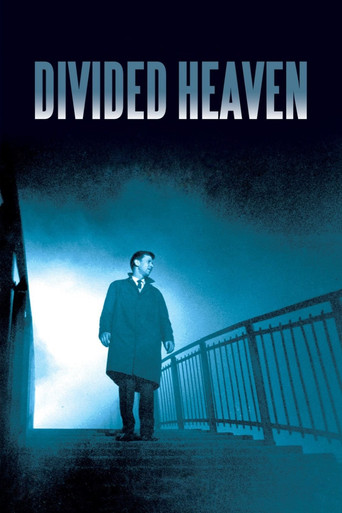
Divided Heaven
After a breakdown, Rita returns to her childhood village in 1961. As she recovers, she remembers the past two years: her love for the chemist Manfred, ten years her senior; how his enthusiasm about his new chemical process turned to bitter disappointment in the face of official rejection; how he escaped to West Berlin a few weeks before the Wall was built and hoped that she would follow him …
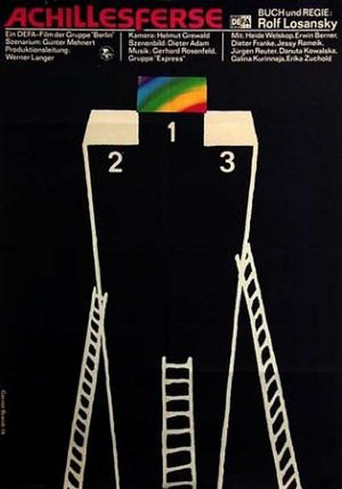
Achillesferse
17-year-old Susanne is a gymnast and has a chance to join the national team. But now, of all times, she is having problems in training. She can't manage the new dismount from the uneven bars. At the same time, she gets into other conflict situations: her performance at school is getting worse. Her ambitious mother, accustomed to her daughter's successes, does not show the necessary understanding. Her father, divorced from Susanne's mother and constantly traveling, is rarely there for her. Her boyfriend Michael, with whom she experiences her first love, soon has to join the army and feels neglected because Susanne has too little time for him. Her coach, however, shows understanding and stands by her side in conflict situations, which she eventually overcomes - and so her success in sport returns.
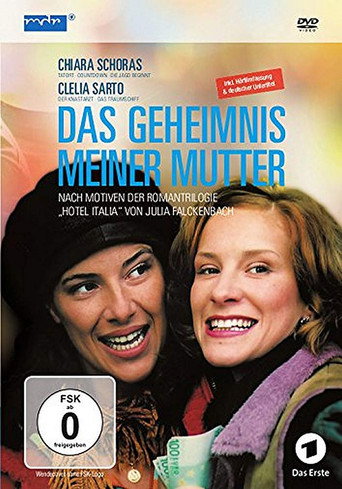
Das Geheimnis meiner Mutter
It seems as if Lena is a Sunday child: successful in her job and heiress to a hotel. What is strange, however, is that she doesn't know the man who left her a legacy in his will. She travels to the Thuringian town of Saalfeld to take a look at her inheritance and initially decides to sell the hotel. However, when the situation in the company changes for her, she changes her mind and accepts her inheritance in full. But running a hotel requires more than self-confidence and cleverness, as she soon realizes.
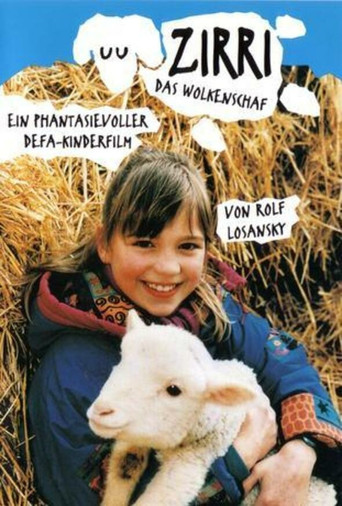
Zirri, das Wolkenschaf
Eleven-year-old Christine, called “Schiene”, spends her vacation on her grandparents' farm and discovers Zirri, a bright white cloud sheep, in her grandfather's flock of sheep.
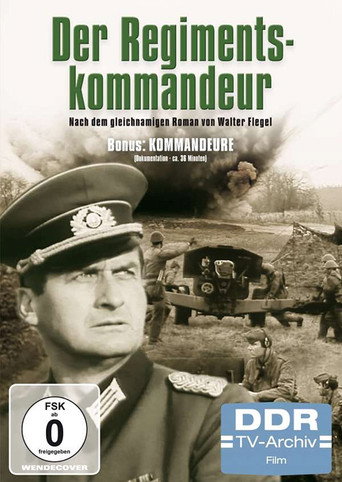
Der Regimentskommandeur
Major Bert Harkus takes over the artillery regiment in Jesnack after graduating from the military academy. The troop proudly presents itself during an exercise. But apart from some good results in shooting, Harkus soon realizes that there are a few problems. As he does not believe that constant combat readiness is guaranteed, he orders far-reaching changes and does not only make friends. Only gradually do the troops pull themselves together.
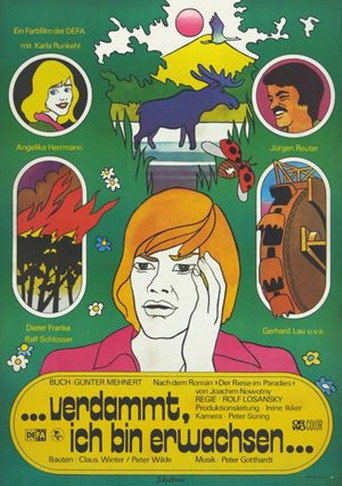
… verdammt, ich bin erwachsen
15-year old Klaus Kambor, called Kurbel, is living in a village in Lusatia and already thinks of himself as an adult. He can hold a lot of rhubarb wine and has already kissed a girl. But with his new method of lawn mowing, which he thinks is brilliant, Klaus makes a big mistake: He causes a wild fire in the forest. Then he does not react adult-like at all, but shirks the responsibility, which leads to the break-up with his girlfriend Daniela. Furthermore, Klaus does not realize that several of the places he likes the most in his environment are now going to be sacrificed to mining. When Klaus becomes friends with the teacher Konzak and with the construction worker Jule, he feels understood for the first time and starts to take more responsibility.
Gallery