Acting
No biography available.
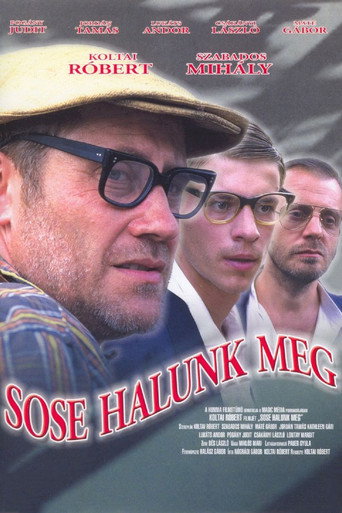
In 1960s Hungary, an introverted teenager’s life is turned upside down by a few days in the company of his coat hanger salesman uncle: a roguish charmer with a zest for life and a weakness for horse racing and women.
In the week of the book an interview is made with the writer Péter Simon, whose first book of short stories appeared in the prime of his life.
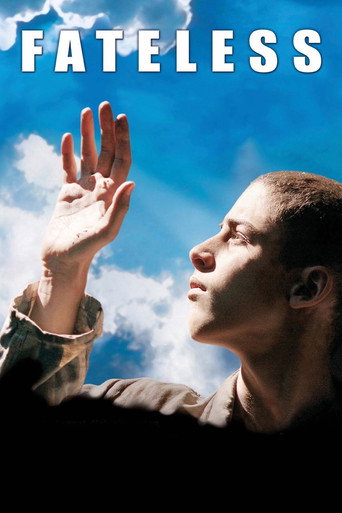
A Hungarian youth comes of age at Buchenwald during World War II. György Köves is 14, the son of a merchant who's sent to a forced labor camp. After his father's departure, György gets a job at a brickyard; his bus is stopped and its Jewish occupants sent to camps. There, György find camaraderie, suffering, cruelty, illness, and death. He hears advice on preserving one's dignity and self-esteem. He discovers hatred. If he does survive and returns to Budapest, what will he find? What is natural; what is it to be a Jew? Sepia, black and white, and color alternate to shade the mood.
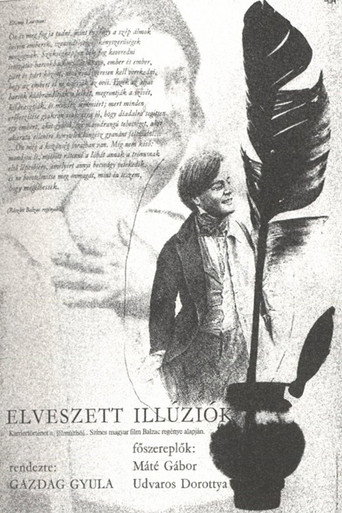
Via the New York Times: "The Hungarian director Gyula Gazdag has transposed the middle section of Balzac's "Lost Illusions" from Paris in the mid-19th century to the Budapest of 1968... it tells of Laszlo Sardi - Balzac's Lucien Chardon - and his efforts to launch his literary career amid the snobbery and sophistication of a big city."
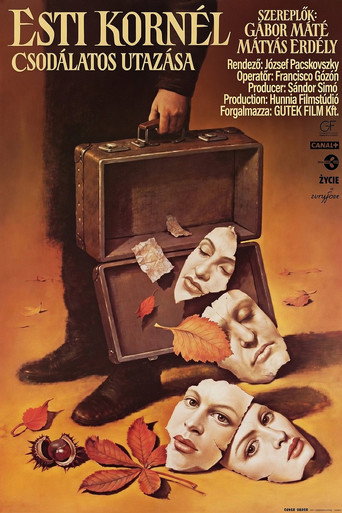
Middle-aged writer (Kornél Esti) travels to Germany to deliver a lecture. During the long journey he recalls the memories of an other journey he made thirty years ago.
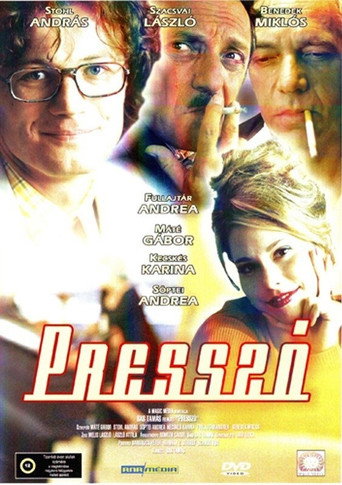
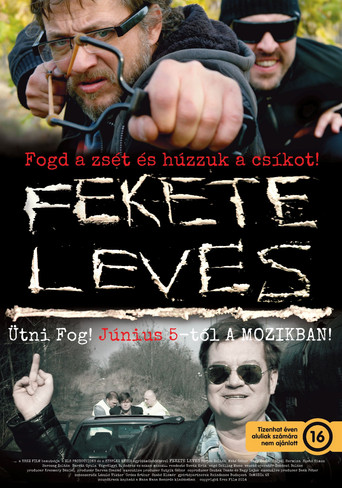
After a long night, Dj Feaky D loses a large sum of money on poker. When an old friend offers a "great opportunity of easy money", he calls up on his buddies locked away in a mental institution.
A feature length, lively - montage style - documentary, capturing the essence of what life was like in socialist Hungary - dubbed the "The most cheerful barrack" back then - using contemporary music, interviews, adverts and news footages.
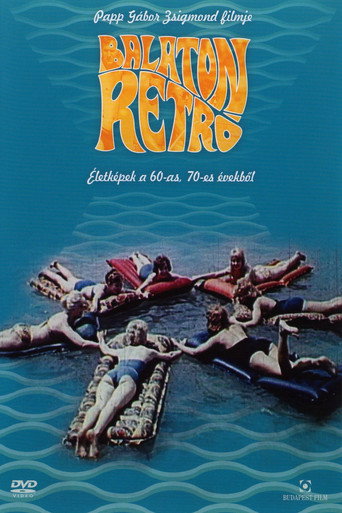
Scenes from holiday life at Lake Balaton in Hungary during the communism.