Camera
No biography available.
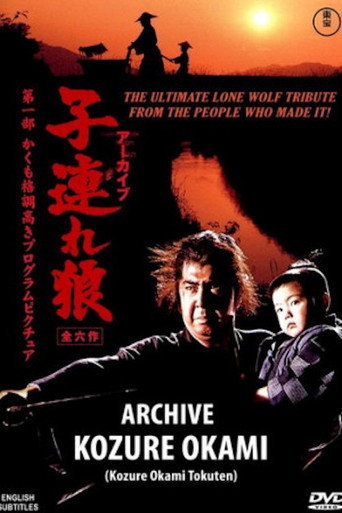
This series of interviews with the filmmakers who worked on the 6 Baby Cart movies tells the stories behind the story, as they recount what led up to, and how they created the greatest film series in movie history. From the first interview with original author Koike Kazuo through the behind the scenes journey told by half a dozen noted staff members this specially produced DVD is essential viewing for anyone with an interest in samurai movies at their zenith. Starting with the first meeting that original manga author Koike Kazuo had with Wakayama Tomisaburo and never letting up as other notables including director Saito Buichi, producer Sanada Masanori, stunt choreographer Shishido Daizen, cinematographer Morita Fujio, sound recordist Hayashi Tsuchitaro, screenwriter Nakamura Tsutomu, and the real life son of Lone Wolf, Wakayama Kiichiro share their wealth of knowledge.
In this documentary, script supervisor Teruyo Nogami, who first worked with Akira Kurosawa on RASHOMON, catches up with many members of the crew, including cowriter Shinobu Hashimoto and assistant director Tokuzo Tanaka. They talk about the screenplay’s evolution, difficulties during the shooting of the film, and Kurosawa’s working methods.
An action-comedy about three men who try to bilk money out of gambling dens.
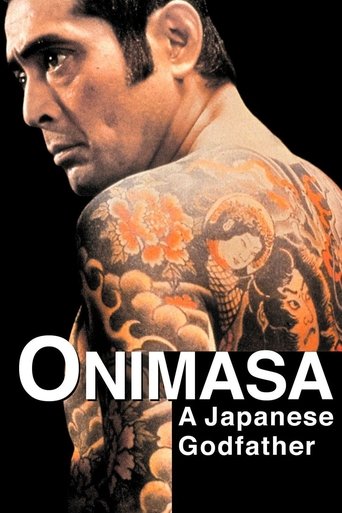
Onimasa is the egocentric boss of a small yakuza clan on Shikoku Island, whose criminal duties conflict with his self-image as a chivalrous samurai. His struggles with his boss, the Shikoku Godfather, and the tumultuous life of his adopted daughter, Matsue, form the backdrop of this epic tale of justice, obedience, and bloody vengeance.
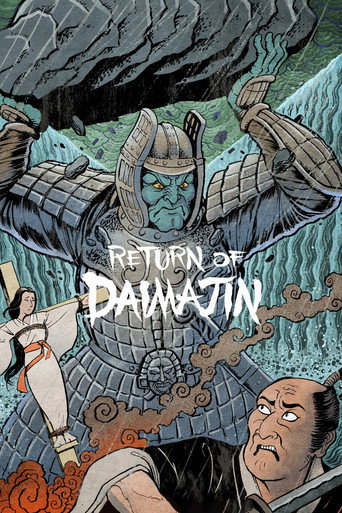
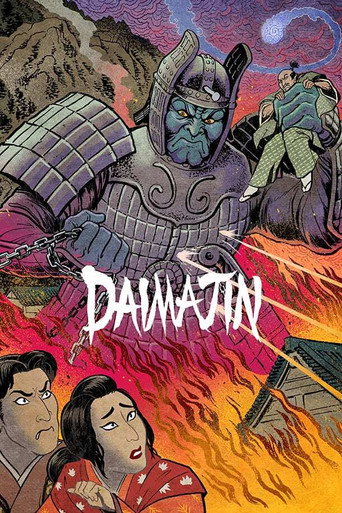
The tyrannical Lord Danjo Mikoshiba covets the rich, fertile lands surrounding Lake Yakumo. During a memorial ceremony for the late Chigusa lord, Mikoshiba launches an attack, overthrowing the honorable Lord Juro. Just when all seems lost, Daimajin rises from Lake Yakumo to settle a score of his own.
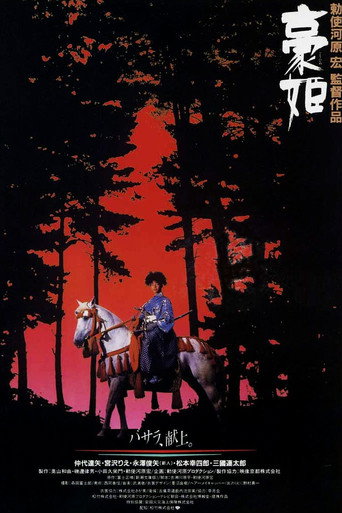
Furuta Oribe is ordered to become tea master under Toyotomi Hideyoshi after his teacher Sen no Rikyū, the former tea master, was ordered to commit suicide. Princess Goh, daughter of the lord but adopted by Hideyoshi, is outraged when Rikyū's severed head is thrown in the Nijo River. She sends Usu, Oribe's servant, to retrieve the head and deliver it to Rikyū's adopted daughter.
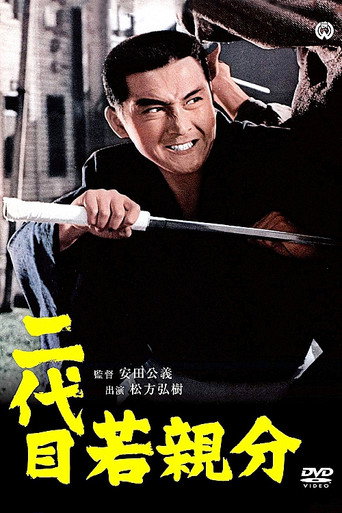
Takeshi Nanjo, a junior lieutenant in the navy whose father, the head of the Nanjo-gumi yakuza family, was killed, is forced to leave the army and become the head of the Nanjo-gumi in the second generation. He brutally chivalrously avenges the death of his father by a vicious yakuza linked to extremists within the army through the courage and swordsmanship of naval training!
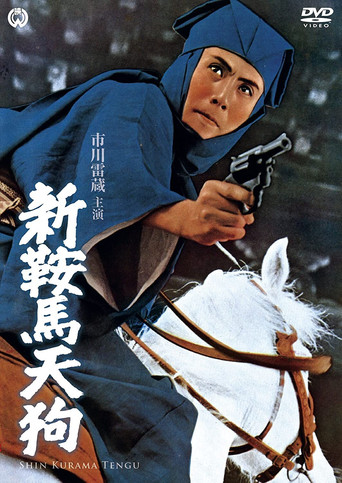
The film is set in Kyoto at the end of the Tokugawa period, when there is a fierce clash between the supporters of the Emperor, who are fighting for the overthrow of the Shogunate, and the Shinsengumi squad, who are chasing them. Suddenly, a mysterious masked warrior appears, on a white horse he is called Tengu from Mount Kurama and he opposes the Shinsengumi.
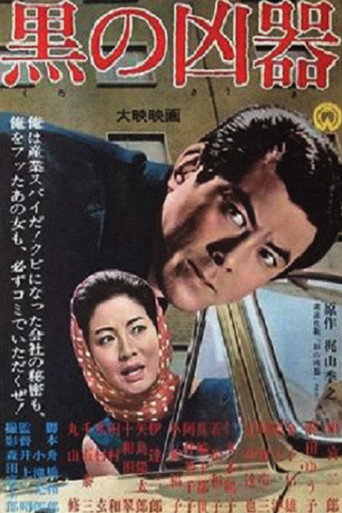
Industrial espionage gets in the way of love and marriage for factory worker Katayanagi.
A giant stone statue comes to life to protect the residents of a small town against the depradations of an evil warlord.
Soft-Boiled Goro is a 1970 film directed by Kazuo Ikehiro