Fritz Links Movies, TV Shows, and Filmography
Fritz Links
Acting
Biography
No biography available.
Filmography Movies
Acting
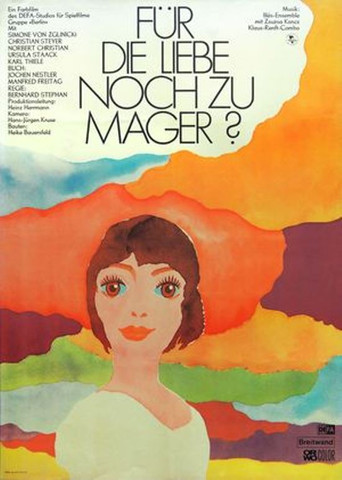
Für die Liebe noch zu mager
At the textile company, everyone appreciates the work of 18-year-old Susanne, but nobody really considers her a woman—including Lutz, with whom she is in love. She sets about to make a change, but it is only when she realizes that she is being taken advantage of that a more self-confident Susanne emerges.
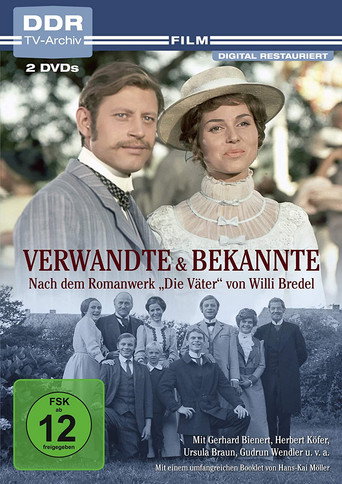
Verwandte und Bekannte
Using the example of three generations of a Hamburg working class family, the rise of the working class from the founding of the Wilhelmin Empire to the First World War, over the time of the Weimar Republic and National Socialism to the destruction of the Third Reich.
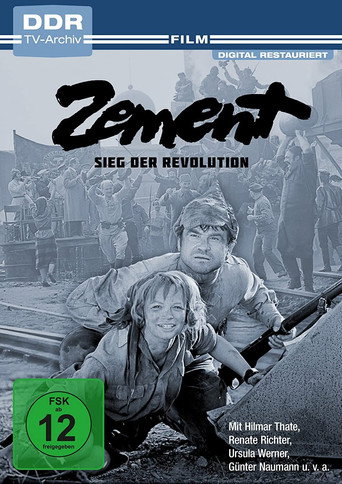
Zement
Early 1921: a man is on his way home. Gleb Chumalov, regimental commander, worker and Hero of the Order of the Red Banner, returns to his home town from the Civil War. The victory over the enemies of the Russian people gives him the conviction that a new, better time will dawn overnight. Gleb looks for his comrades from earlier years, but only finds people who are emaciated by their efforts. The cement works where he used to work has been plundered and abandoned. With great effort, Gleb and his comrades try to get the plant up and running again. The struggle seems to begin anew... It is the time after the victory of the “Great October Socialist Revolution“ and the time of building a new society.
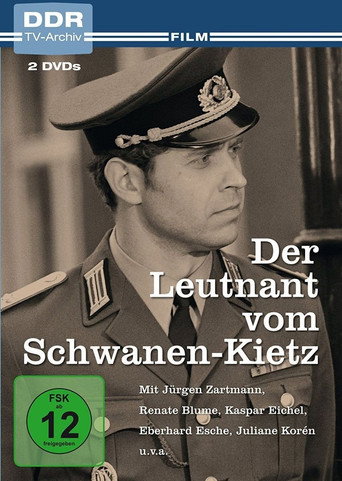
Der Leutnant vom Schwanenkietz
The film describes the activity of an ABV of the People's Police in its section in East Berlin. A mixture of “positive” characters from the beginning, the extensively staged “owl”, who is introduced as a criminal and over the course of time, especially due to the influence of the ABV, develops into a good citizen, and incorrigible characters, with whom the ABV fails with its extensive attempts at rehabilitation and who are arrested after having committed again offenses.
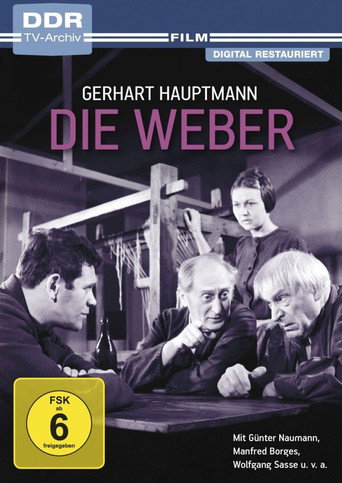
Die Weber
The emaciated weavers deliver their homework to the factory owner Dreißiger and receive their wages, on which they cannot live and cannot die. Driven by hunger, they ask for more money, but to no avail. Only the young baker and the reservist Jäger put up a fight, and both manage to encourage a large group of weavers to revolt against the factory owner. They break into his house and destroy it, whereupon he flees. The revolt continues, the weavers move through the surrounding villages, where more people join them. A little later, the military arrives to intervene against the angry crowd and restore the old order...
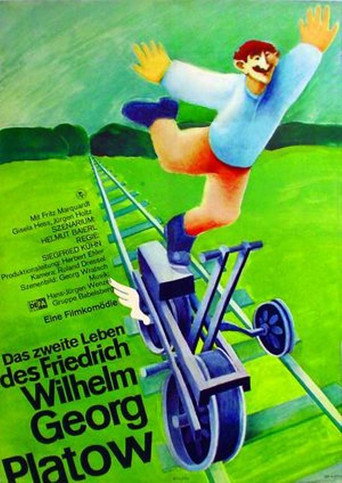
The Second Life of F.W.G. Platow
Friedrich Wilhelm Georg Platow worked for the railways his entire working life. He took up service at the small station of Luege 34 years ago. Now, the line is to be electrified and Platow, who cannot cope with the new technology, has to work on a secondary local line. Georg, his son, a railway worker as well, is to attend a training course, but Georg refuses to go. Then his father comes to a surprising and highly unusual decision. He pretends to be Georg Platow, making himself twenty years younger than he really is and registers for the course.
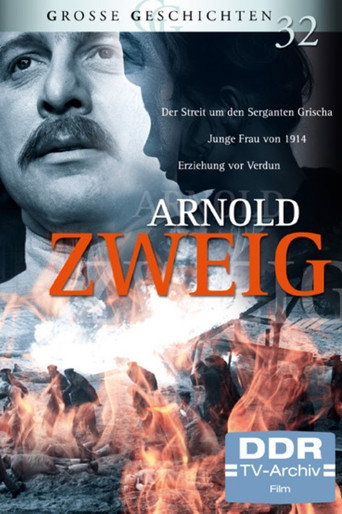
Der Streit um den Sergeanten Grischa
Russian soldier Grisha escapes from a German prisoner-of-war camp in the spring of 1917. He is caught and is to be shot as a spy. This decision is controversial. The dispute continues. Grisha is executed on the orders of the army high command.
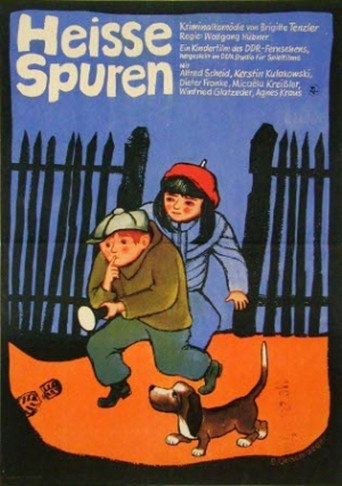
Heiße Spuren
Ten-year-old Lutz Paschke, son of detective captain Paschke, is an enthusiastic but often overzealous detective. He roams his town with his basset hound Pinkus and thinks he can spot crimes in mostly harmless incidents. Every now and then, his father is called by him to a supposed crime, so Lutz thinks he has seen a murder, which turns out to be a clumsy attempt to kill a carp. Father Paschke is annoyed, especially as Lutz's actions repeatedly put him in embarrassing situations. So when Lutz receives an anonymous letter with cut-out letters announcing a crime at the old mill on Friday evening, he doesn't tell his father.
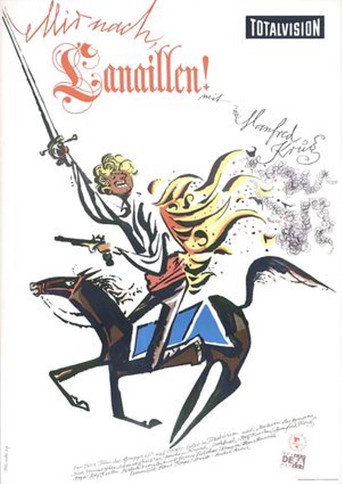
Mir nach, Canaillen
A wild story set in eighteenth-century Prussia. Alexander can do everything that a real devil of a fellow must be able to do: ride, shoot, love and devise clever plots. As a result, he is able to climb the ladder from herder to chamber master, where he makes a fool of the feudal lords.
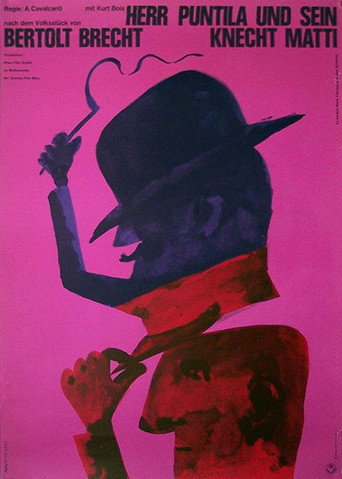
Herr Puntila and His Servant Matti
This first film adaptation of Bertolt Brecht’s play about class distinctions was made in 1955 in the Vienna Rosenhügel studios, but it was only premiered five years later. Curt Bois plays the rich capitalist Puntila who only becomes somewhat agreeable when he is drunk (which he is most of the time in this film). In his inebriated state, Puntila not only gets amorously involved with three different ladies but also suggests that his daughter Eva marries his chauffeur Matti. The chauffeur, however, doesn’t really agree…