Directing
No biography available.
Film by Frank Vogel.
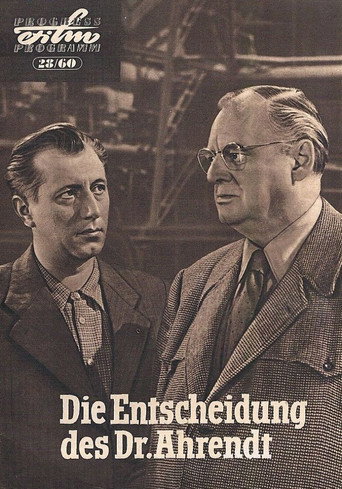
Old John Carstens sells his marine‐equipment firm to Lafrenz, unaware it’s now a fuel‐smuggling front. Living above the showroom with daughter Hanna and son Jochen, he resists Lafrenz’s pressure. When Hanna falls for bargeman Oschi Rasmus, Lafrenz demands John either give up Hanna or settle his debts. John defies him and dies. Oschi clears John’s debts, but Lafrenz soon plots against the young couple.
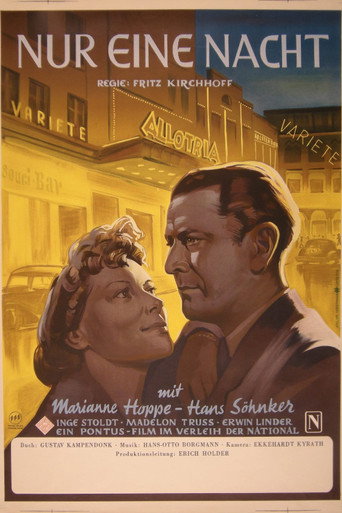
Hamburg, shortly after the Second World War. On the Reeperbahn, a former overseas captain, who keeps his head above water as a stoker, meets a desperate and lonely woman whose marriage has been destroyed by the war. Without knowing much about each other, the two seek brief happiness and oblivion in a night of love, are separated by a raid and find each other again - this time for good.
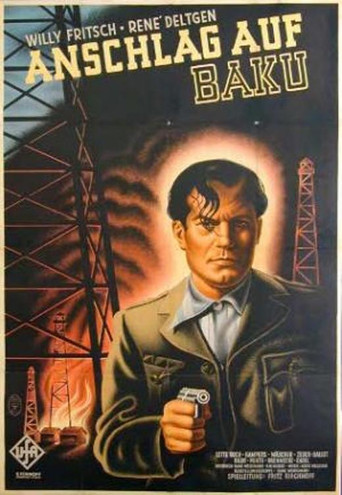
Azerbaijan, 1919. The British hope to secure control of the vast oil fields around Baku by launching a series of terrorist attacks on them. Hans Romberg, a German who is working as a security officer, battles with the British chief agent Captain Forbes and his associates. (Description from Wikipedia)
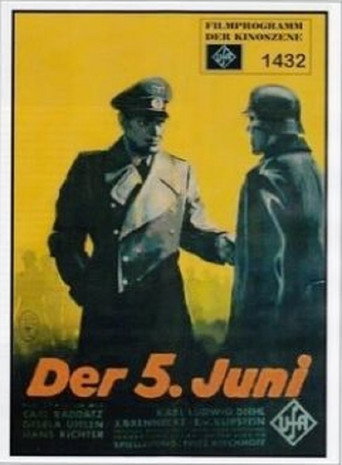
June Fifth ( Ger: Der 5. Juni) is a 1942 German propaganda war film. The storyline centers on an infantry unit during the French campaign. After the death of a war volunteer's father, the volunteer (Gefreiter Eickhoff) is treated harshly by his superior officer, Feldwebel Richard Schulz, who had been friends with the fallen father. The father had wanted Schulz to make his son a good officer. The film explores their relationship amidst the war.
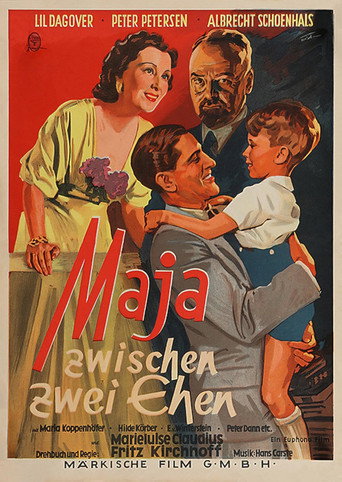
After six years, a man shows up, whom his wife had declared dead. Her current husband is regarded by the son of the once-missing man as his father. Only after many tear can the returning man be convinced not to press for custody of the son.
A famous composer has to prove his innocence when his wife, who has mysteriously disappeared, is shot dead in the street one day.
A retired rail official and his wife Amalie purchase a disused railroad wagon to convert it into a villa in the countryside. One day, Amalie discovers 25,000 Marks hidden behind a picture in the rail car. The money was put there by a Dutch couple, who tried to smuggle the money across the border during the train’s last journey. Sorely tempted to keep the money, Amalie turns it over to the authorities. The smugglers, who finally find the rail car after a long search, will be turned over to the cops, too.
This is essentially a "Kraft durch Freude" propaganda film though the organization is never mentioned. A company's three day outing might very well be the last because bankruptcy is just around the corner. The people on the trip have all their individual problems and wishes, too. This episodic film might sound quite promising considering the basic idea but its script is determinedly optimistic and leads everything and anything to a happy end. The dramatic parts are finished in a rather implausible way, the comedic are terribly predictable. There's a badly misjudged singing scene in the bus, some bavarian shtick, the Regensburger Domspatzen are singing in Augsburg and so on...
An interfering mother plans husbands for her three daughters as they come of marriageable age. However she pays no attention to her daughters own feeling until the eventual intervention of her husband manages to bring things to a happy conclusion.