Frederick Wiseman Movies, TV Shows, and Filmography
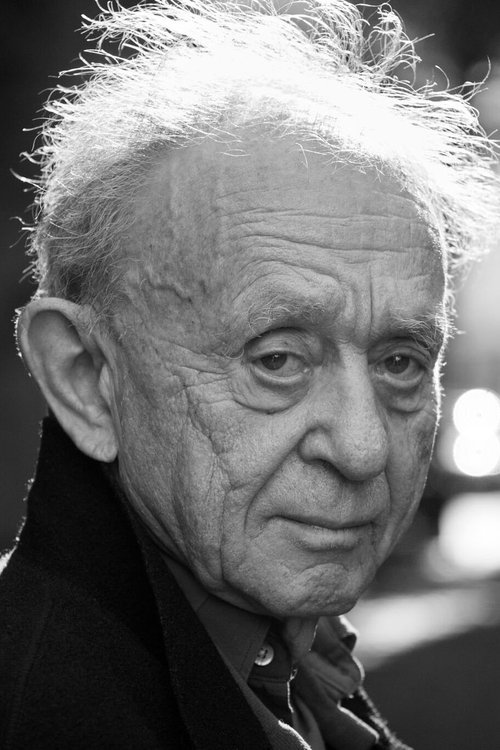
Frederick Wiseman
Directing
Biography
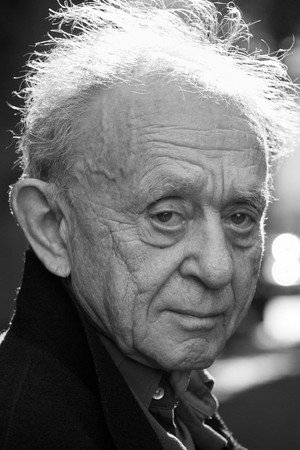
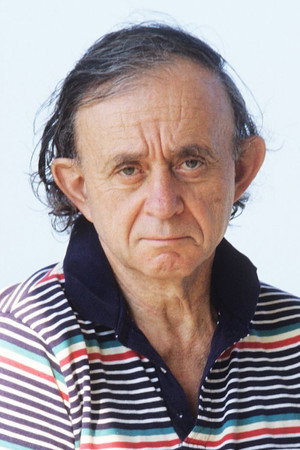
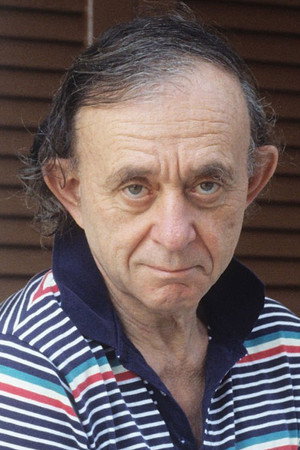
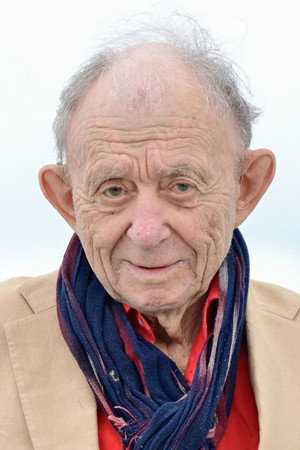
Frederick Wiseman (January 1, 1930 — February 16, 2026) was an American filmmaker, documentarian, and theatre director. As a documentarian, Wiseman has been noted for his ability to capture the nuances of life in American institutions such as prisons, hospitals, welfare offices, and high schools. He started out in 1963 by producing a narrative feature, The Cool World, an examination of the lives of Harlem teenagers. In the beginning, Wiseman was a staunch social reformist, and his films were calls for change. Titicut Follies, his first documentary, is an exposé of life in a prison for the criminally insane in Bridgewater, MA. It was controversial and left Wiseman with the reputation of being a muckraker. His four subsequent documentaries were all exposés of other tax-supported institutions designed to show the ineffectiveness of the bureaucracy that not only threatens to destroy them, but also dehumanizes the people they were meant to serve. Wiseman toned down his message and began focusing more on American culture to point out the symbolism of daily activities in his film Primate (1974). In the 1980s, he began examining institutions as they relate to ideology. Unlike other documentaries, Wiseman’s work does not progress chronologically; rather, the segments are arranged thematically, like an essay, and are linked via rhetorical devices such as comparison and contrast to create a patterned structure. His films are never narrated, thereby forcing viewers to make connections between the sequences themselves. Wiseman has occasionally returned to fictional films, albeit in a non-fiction performance style, as with Seraphita’s Diary (1982) and La Derniere Lettre (2002).
Filmography Movies
Acting
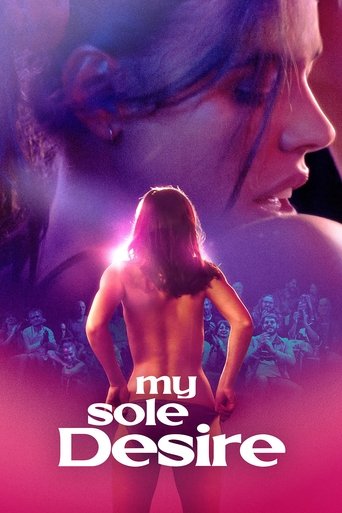
My Sole Desire
When aimless Manon begins work at À mon seul désir, a strip club that offers high concept performances, she instantly bonds with her fellow strippers, particularly Mia, an aspiring actress with a boyfriend and child. Manon learns that it is “not easy money, but fast money” and when she finds herself falling for Mia, she is forced to question her priorities as she explores her newfound erotic life.
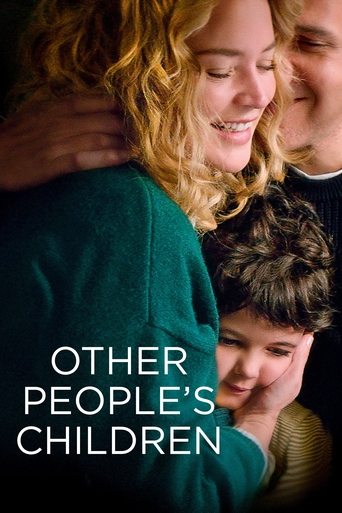
Other People's Children
Rachel loves her life, her students, her friends, her ex, her guitar lessons. When she falls in love with Ali, she grows close to his 4-year-old daughter, Leila. She tucks her in, looks after her, and loves her like a mother... which she isn’t. Not yet. Rachel is 40. The desire for a family of her own is growing stronger, and the clock is ticking. Is it too late?
Next to Last (Autumn 63)
In a private collection in Arlington, French actor and director Mathieu Amalric, who won the Best director award in Cannes) takes his camera to one of Hopper's latest masterpiece, one of the most mysterious as well. As we hear the four last Lieder of Strauss or extracts from a Kennedy speech, that Hopper listened to while working, Amalric keeps pursuing the hidden meanings of his painting in its darkest corners. (With American documentarist Frederick Wiseman doing Edward Hopper's voice).
Aujourd'hui
A short film by Nicolas Saada.

The Summer House
A large and beautiful property on the French Riviera. A place that seems out of time and sheltered from the rest of the world. Anna goes there with her daughter for a few days of vacation. Amidst her family, friends and the house staff, Anna has to handle her fresh break-up with her partner and the writing of her next film.

Jane Austen Wrecked My Life
An aspiring author looking to get more out of life takes up a writing residency and finds herself in the sort of romantic entanglements that could come from the pages of a Jane Austen novel.
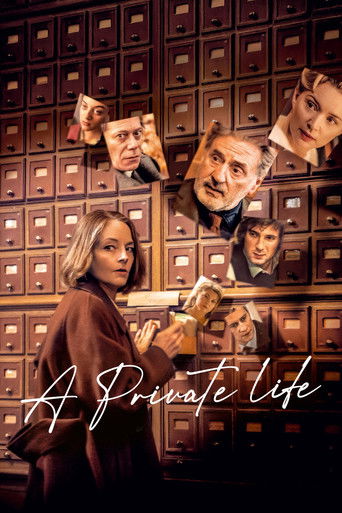
A Private Life
The renowned psychiatrist Lilian Steiner mounts a private investigation into the death of one of her patients, whom she is convinced has been murdered.
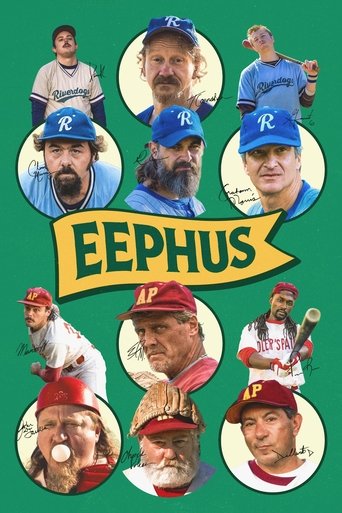
Eephus
As an imminent construction project looms over their beloved small-town baseball field, a pair of New England rec-league teams face off for the last time. Tensions flare up and ceremonial laughs are shared as an era of camaraderie and escapism fades into an uncertain future.
Danger
Simon, a disillusioned developer, carries a secret that could dismantle modern society: a code capable of remote neural hijacking. Hunted by his former architects, he seeks sanctuary within the echoing halls of the Musée d’Orsay—one of Paris’s final "safe zones" in a world of total digital surveillance. There, among the relics of the past, he must join a clandestine resistance to protect the future of human autonomy.
Ain't Misbehavin
18 years after his last film, (The Troubles We've Seen), Marcel Ophuls emerges from retirement as one of our last masters, the most corrosive, the funniest as well. And the most forceful. The director of The Sorrow and the Pity shares with us stories of his exceptionally rich life in this light-hearted yet bitter escapade though the century and the movies. Son of the great Max Ophuls, he is generous in his admiration. We also meet Jeanne Moreau, Bertolt Brecht, Ernst Lubitsch, Otto Preminger, Woody Allen, Stanley Kubrick and of course François Truffaut. There are no great filmmakers without a memory, so here is the memory shop of Marcel Ophuls.
Production

Titicut Follies
A stark and graphic portrayal of the conditions that existed at the State Prison for the Criminally Insane at Bridgewater, Massachusetts, and documents the various ways the inmates are treated by the guards, social workers, and psychiatrists.
High School
Documentary filmmaker Frederick Wiseman takes us inside Northeast High School as a fly on the wall to observe the teachers and how they interact with the students.
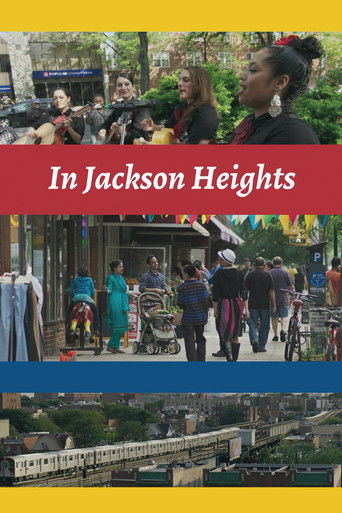
In Jackson Heights
Legendary documentary filmmaker Frederick Wiseman (At Berkeley, National Gallery) explores the culture, politics and daily life of the Queens, NYC district of Jackson Heights, which lays claim to being the most diverse neighbourhood in the world.
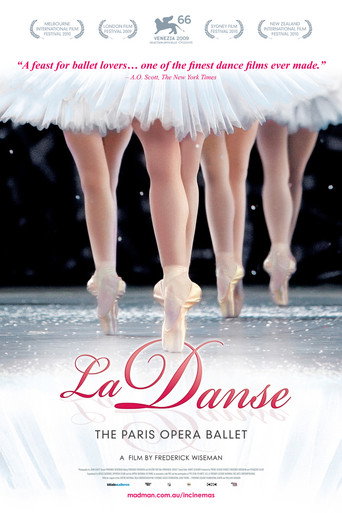
La Danse: The Paris Opera Ballet
A film by Frederick Wiseman following the ins and outs of 7 ballets by the Paris Opera Ballet.
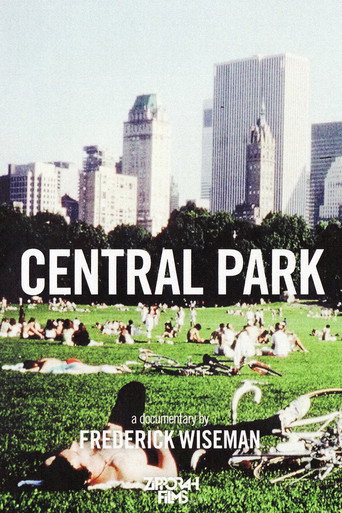
Central Park
CENTRAL PARK is a film about the famous New York City landmark and the variety of ways in which people make use of it: running, boating, walking, skating, music, theatre, sports, picnics, parades and concerts. The film also illustrates the complex problems the New York City Parks Department deals with in order to maintain and preserve the park and keep it open and accessible to the public.
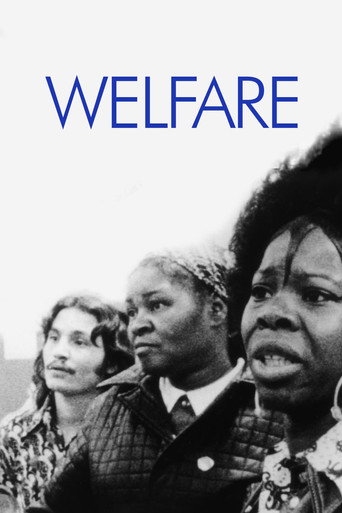
Welfare
WELFARE shows the nature and complexity of the welfare system in sequences illustrating the staggering diversity of problems that constitute welfare: housing, unemployment, divorce, medical and psychiatric problems, abandoned and abused children, and the elderly. These issues are presented in a context where welfare workers as well as clients struggle to cope with and interpret the laws and regulations that govern their work and life.
Welfare
WELFARE shows the nature and complexity of the welfare system in sequences illustrating the staggering diversity of problems that constitute welfare: housing, unemployment, divorce, medical and psychiatric problems, abandoned and abused children, and the elderly. These issues are presented in a context where welfare workers as well as clients struggle to cope with and interpret the laws and regulations that govern their work and life.
Welfare
WELFARE shows the nature and complexity of the welfare system in sequences illustrating the staggering diversity of problems that constitute welfare: housing, unemployment, divorce, medical and psychiatric problems, abandoned and abused children, and the elderly. These issues are presented in a context where welfare workers as well as clients struggle to cope with and interpret the laws and regulations that govern their work and life.
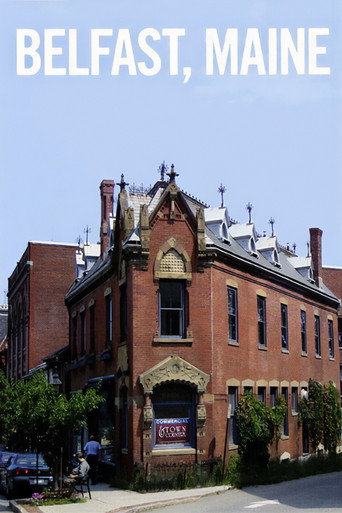
Belfast, Maine
A film about ordinary experience in a beautiful old New England port city. It is a portrait of daily life with particular emphasis on the work and the cultural life of the community. Among the activities shown in the film are the work of lobstermen, tug-boat operators, factory workers, shop owners, city counselors, doctors, judges, policemen, teachers, social workers, nurses and ministers. Cultural activities include choir rehearsal, dance class, music lessons and theatre production.
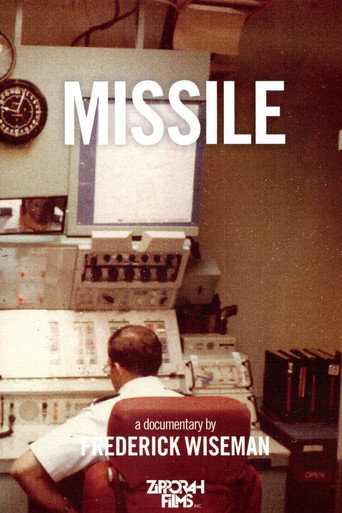
Missile
MISSILE follows the 4315th Training Squadron of the Strategic Air Command at Vandenberg Air Force Base in California, where Air Force officers are trained to man the Launch Control Centers for the Minuteman Intercontinental Ballistic Missiles. Sequences include discussion of the moral and military issues of nuclear war; the arming, targeting and launching of the missile; codes; communications; protection against terrorist attack; emergency procedures; staff meetings and tutorial sessions.
Gallery