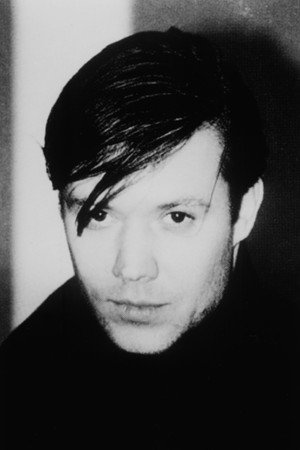
Fred Kelemen Movies, TV Shows, and Filmography
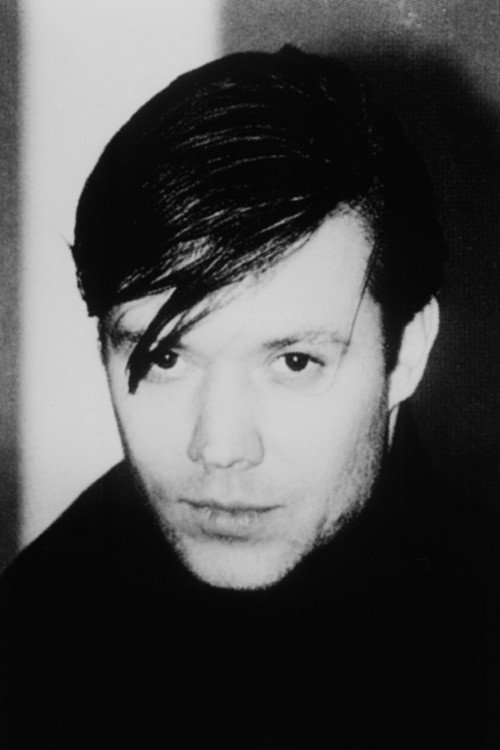
Fred Kelemen
Camera
Biography
Fred Kelemen was born in West Berlin/Germany. He studied painting, music, philosophy, religious science and drama studies and worked in various theatres as a director’s assistant before beginning his studies in directing and cinematography at the German Film & TV Academy Berlin (dffb) from 1989 to 1994. He graduated from the dffb with a diploma as a director and as a cinematographer. For his diploma film “Fate” he received the German National Film Award in 1995. Since then, he has made a number of films and videos as director and collaborated as cinematographer with several film directors like Joseph Pitchhadze (“Sweets”, Israel 2013), Béla Tarr (“Journey to the Plain”, Hungary 1995, “The Man from London”, Hungary/France/Germany 2007, “The Turin Horse”, Hungary, France, USA, Germany 2011 ), Rudolf Thome (“The Visible and the Invisible”, Germany 2006), Gariné Torossian (“Stone, Time, Touch”, Canada/Armenia 2005) a.o.
Filmography Movies
Acting
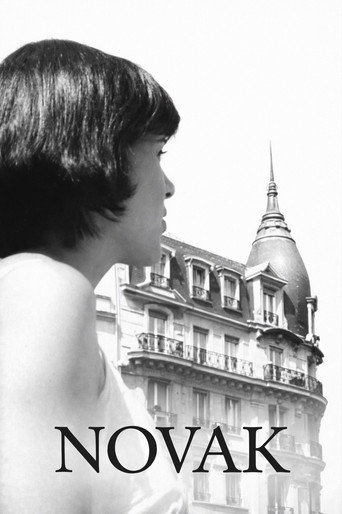
Novak
Lucia arrives to Buenos Aires with a mission, take care of a Hungarian filmmaker invited to present his film at the Buenos Aires Independent Film Festival. Lucia meets Pablo, who introduces himself as the angel of prestigious film director Béla Tarr. Lucia and Pablo will join Laszlo Novak in a tragic adventure, moving heaven and earth to find his lost film.
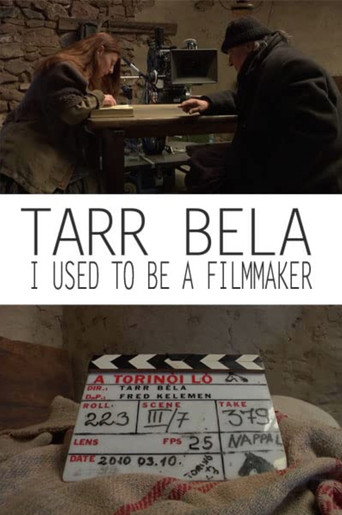
Tarr Béla: I Used to Be a Filmmaker
A documentary about the making of The Turin Horse, the last film directed by Hungarian master Béla Tarr.
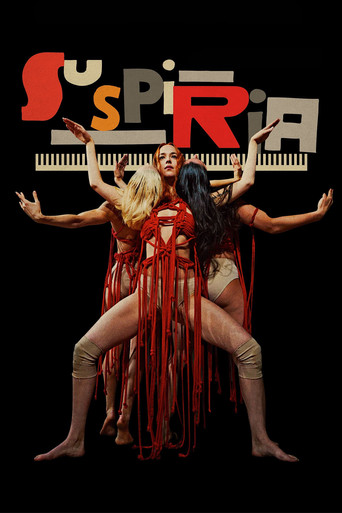
Suspiria
A darkness swirls at the center of a world-renowned dance company, one that will engulf the artistic director, an ambitious young dancer, and a grieving psychotherapist. Some will succumb to the nightmare. Others will finally wake up.
Production
Fallen
One night, Matiss Zelcs, an employee of the Latvian national archive in Riga, notices a woman on a bridge. After passing by her without preventing her suicidal fall into the depths, a sensation of failure and guilt changes his life. He cannot forget her. Driven by a feeling of remorse and the fever of illusion, he roams through the city night and day looking for traces of her existence. This journey through the tumult of his conscience leads him deeper into his own loneliness and the depths of his soul, as he gets more and more entangled in the destinies of the woman and of the people who were attached to her. He finds himself confronted with the pain of yearning and guilt, the cruelty of love and desire, and the search for forgiveness, release and salvation.
Fallen
One night, Matiss Zelcs, an employee of the Latvian national archive in Riga, notices a woman on a bridge. After passing by her without preventing her suicidal fall into the depths, a sensation of failure and guilt changes his life. He cannot forget her. Driven by a feeling of remorse and the fever of illusion, he roams through the city night and day looking for traces of her existence. This journey through the tumult of his conscience leads him deeper into his own loneliness and the depths of his soul, as he gets more and more entangled in the destinies of the woman and of the people who were attached to her. He finds himself confronted with the pain of yearning and guilt, the cruelty of love and desire, and the search for forgiveness, release and salvation.
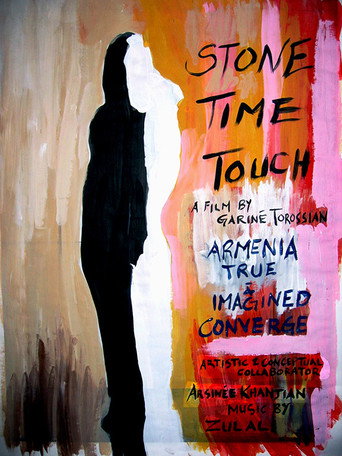
Stone Time Touch
Stone, Time, Touch is a documentary made by Gariné Torossian about the relationship of three Armenian women from the diaspora with the land of Armenia. The young woman (played by Kamee Abrahamian) is visiting Armenia for the first time. The older woman, Arsinée Khanjian has a more conflicted and analytical perspective of her identity and her relationship with the fledgling democracy, one of the former Soviet Union republics. She has been to landlocked Armenia many times and comments on photos taken by French photographer Marc Baguelin. The third trajectory is more subtle and is represented by Gariné Torossian herself whose face is super imposed from time to time in this stylistically-layered documentary.
Frost
Time of darkness. Time of fire kindled against cold and fear. During the Holy Night, the seven year old Micha has to escape with his young mother Marianne from the violence of his drunken father... During their one week odyssey through frozen Germany, mother and son meet people to offer them shelter... Crushed by their own poverty, or dominated by their feelings of being lost, these people just hurt them deeper and they can be nothing other than stations of their continuous escape
Frost
Time of darkness. Time of fire kindled against cold and fear. During the Holy Night, the seven year old Micha has to escape with his young mother Marianne from the violence of his drunken father... During their one week odyssey through frozen Germany, mother and son meet people to offer them shelter... Crushed by their own poverty, or dominated by their feelings of being lost, these people just hurt them deeper and they can be nothing other than stations of their continuous escape
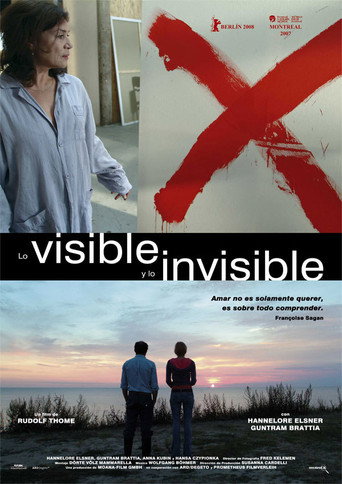
The Visible and the Invisible
Mary and Marquard are painters and lovers, with a common life. Once Marquard gets a prize of a considerable sum of money, his artistic creativity wanes. While Mary works in a series of paintings, Marquard visits his friend Gregor, a horse breeder and philosopher, sleeps with Angie and visits repeatedly her daughter Lucia. Marquard and Lucia, who have begun a tender and compassionate father-daughter relationship, spend two days in a seaside hotel, deciding not to speak in words. The feelings and communication emerge from a very special way. Mary, who does not know the whereabouts and the reason of the absence of Marquard, realizes it by herself: their love is over. Then, she abruptly interrupts her work so far and starts a new painting entitled "The visible and invisible."
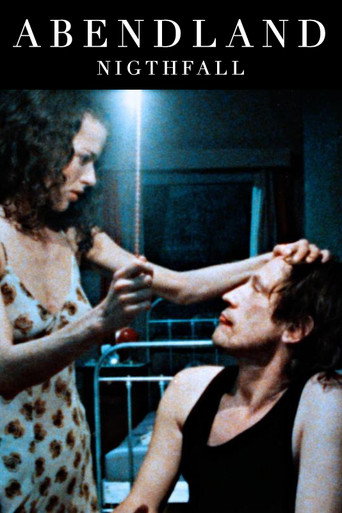
Nightfall
A largely plotless, fado-scored journey through the gloomy cobblestone streets, zombie bars, and fetid basements of a sordid harbor town populated by German-speaking sots and Portuguese guest workers. An unhappy young couple, Leni and Anton, quarrel and split separately into the rat’s ass of the evening. Everyone is looking for love, but no one finds any—although Leni does pick up a trick.
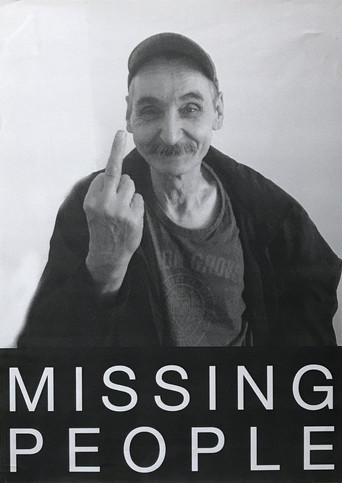
Missing People
Presents moving images of society’s outsiders, the impoverished and oppressed, whose lives are contrasted with the opulent surroundings of contemporary Vienna.
Sarajevo Songs of Woe
Sarajevo Songs of Woe is a filmic triptych containing of the two tales (“Blue Ballad for Lovers” / “Blue Rondo for Survivors”) and the connecting middle part “Blue Psalm for Wolves” flowing into each other and so being united and building up one universal mosaic of life situated in Sarajevo.
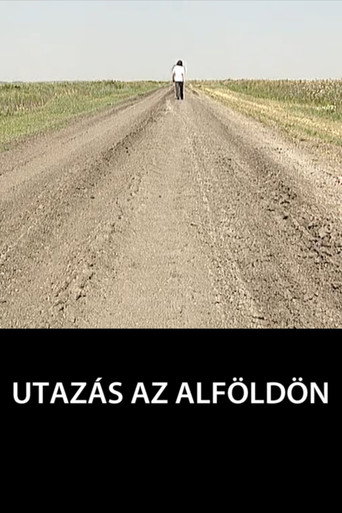
Journey on the Plain
Revisits of locations on the Great Hungarian Plain - the puszta - that were used in Tarr's Sátántangó and Werckmeister harmóniák. Recitations of short lyric poems by Hungary's national poet Sándor Petofi.
Gallery