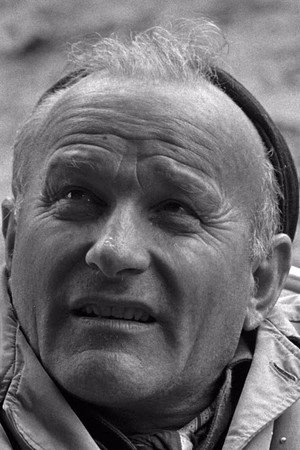
Franz Schnyder Movies, TV Shows, and Filmography
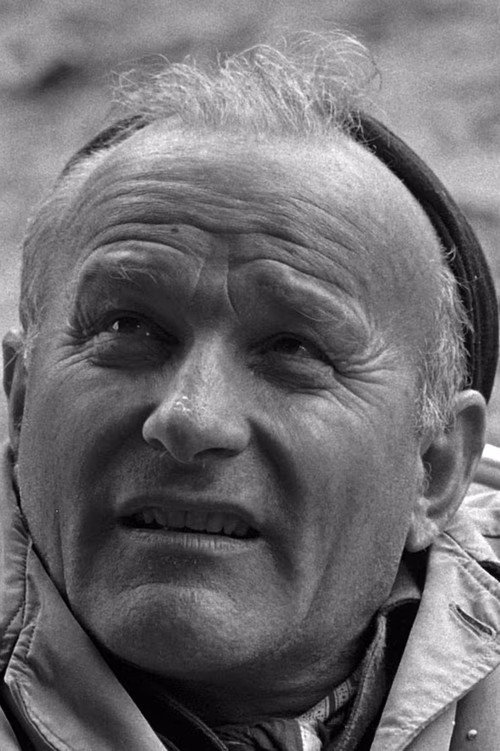
Franz Schnyder
Directing
Biography
Franz Schnyder was a Swiss film director and screenwriter. He directed 15 films between 1941 and 1968. Franz Schnyder (5 March 1910 – 8 February 1993) was a Swiss film director and screenwriter. He directed 15 films between 1941 and 1968. His film Der 10. Mai was entered into the 8th Berlin International Film Festival.
Filmography Movies
Acting
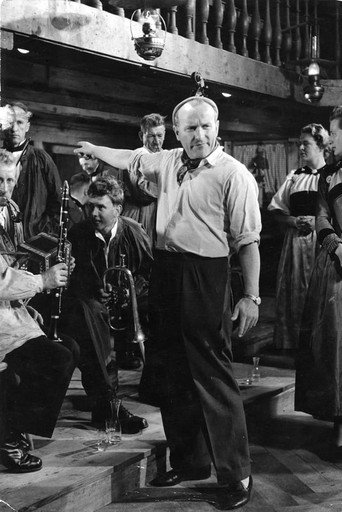
The Cold Heart
A poor and lonely coal seller trades his heart to a demon of the forest, hoping to improve his condition. It won't be long before the consequences of his actions catch up to him.
Production
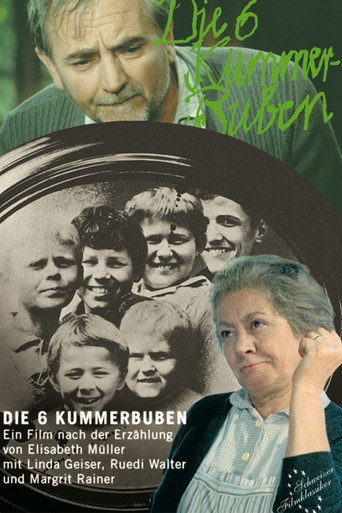
Die 6 Kummer-Buben
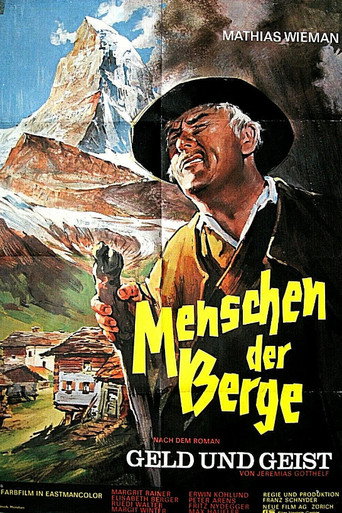
Geld und Geist
The farmer Christen, his wife Änneli, their sons Resli and Christeli, and their daughter Annelisi live together harmoniously on the Liebiwyl farm. The harmony is disrupted when Christen allows himself to be persuaded by the deceitful village clerk to speculate with his ward's money. As a result, all the money is lost, and the defrauded farmer has to pay the community for the damage out of his own pocket. This angers Änneli, whose great willingness to help is thwarted by Christen, who is becoming increasingly stingy. One harsh word leads to another, and soon the couple is facing a shambles. The children also suffer from the unfriendly atmosphere at home. Only a visit to church on Pentecost and the corresponding sermon make reconciliation possible.
Geld und Geist
The farmer Christen, his wife Änneli, their sons Resli and Christeli, and their daughter Annelisi live together harmoniously on the Liebiwyl farm. The harmony is disrupted when Christen allows himself to be persuaded by the deceitful village clerk to speculate with his ward's money. As a result, all the money is lost, and the defrauded farmer has to pay the community for the damage out of his own pocket. This angers Änneli, whose great willingness to help is thwarted by Christen, who is becoming increasingly stingy. One harsh word leads to another, and soon the couple is facing a shambles. The children also suffer from the unfriendly atmosphere at home. Only a visit to church on Pentecost and the corresponding sermon make reconciliation possible.
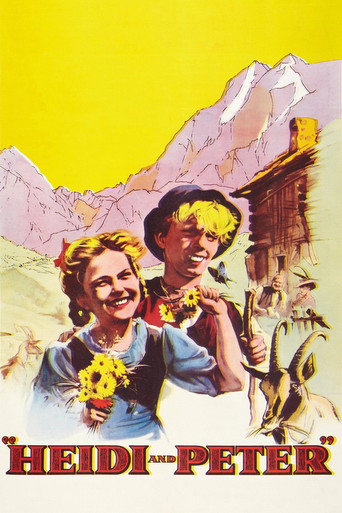
Heidi und Peter
Heidi lives with Alp-Öhi n the Swiss Alps in the summer, where she helps Peter tend the goats. In winter, she stays in the village and attends school. One day, a letter arrives from Heidi's German friend, Klara Sesemann, announcing her visit. Klara indeed appears the next summer along with her grandmother and the prim governess Miss Rottenmeyer. Klara is quickly convinced to stay with Heidi, but Peter becomes resentful that Heidi now spends so little time with him...
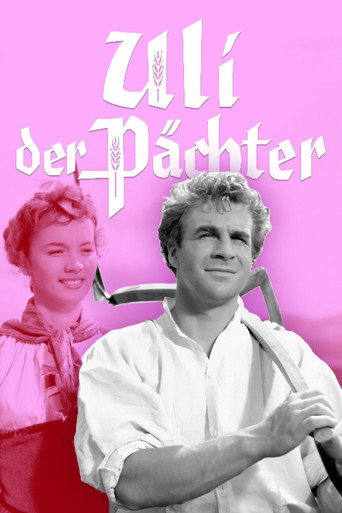
Uli the Tenant
Uli has been the tenant of the "Glunggen-farm" for two years. His wife Vreneli gave him two children and the couple is happy. But this year, the harvest looks bad and his landlord calls in the rent, as the old man urgently needs money to satisfy the demands of his son and stepson. Desperate to make ends meet, Uli fraudulently sells a cow knowing that she does not produce any milk. He is pursued in court but is acquitted. But then, the buyer curses him... and disaster promptly strikes.
Uli the Tenant
Uli has been the tenant of the "Glunggen-farm" for two years. His wife Vreneli gave him two children and the couple is happy. But this year, the harvest looks bad and his landlord calls in the rent, as the old man urgently needs money to satisfy the demands of his son and stepson. Desperate to make ends meet, Uli fraudulently sells a cow knowing that she does not produce any milk. He is pursued in court but is acquitted. But then, the buyer curses him... and disaster promptly strikes.
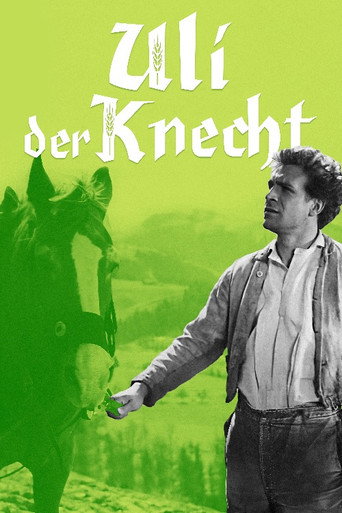
Uli der Knecht
The film traces Uli's progress from his humble peasant surroundings to the homes of the wealthy and prominent. The characterizations are convincing, and the comic interludes surprisingly subtle and believable for a Swiss film. The no-star cast doomed Uli Der Knecht from the start so far as American distribution was concerned. It was another matter in Switzerland, where the film was one of the year's top moneymakers. Uli der Knecht was based on a novel by Jeremias Gottbelf.
Uli der Knecht
The film traces Uli's progress from his humble peasant surroundings to the homes of the wealthy and prominent. The characterizations are convincing, and the comic interludes surprisingly subtle and believable for a Swiss film. The no-star cast doomed Uli Der Knecht from the start so far as American distribution was concerned. It was another matter in Switzerland, where the film was one of the year's top moneymakers. Uli der Knecht was based on a novel by Jeremias Gottbelf.
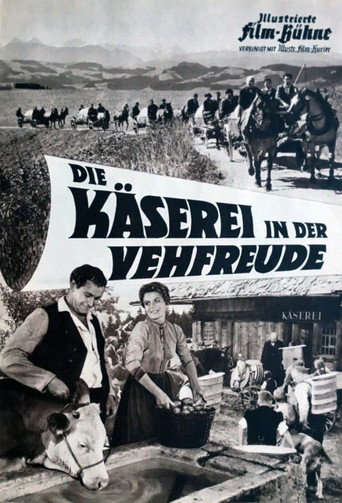
The Cheese Factory in the Hamlet
The farmers of a village decide to postpone the construction of a new school in profit of a concentration to cheese production. From a novel by Jeremias Gotthelf.
Gallery