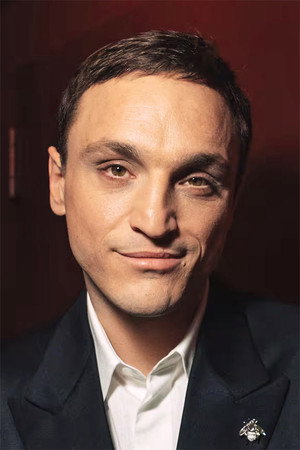
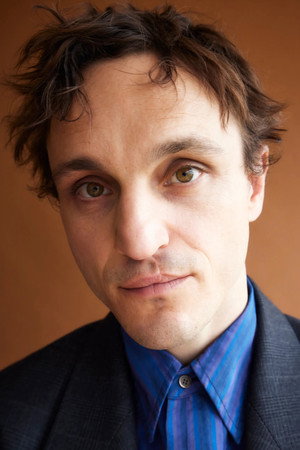
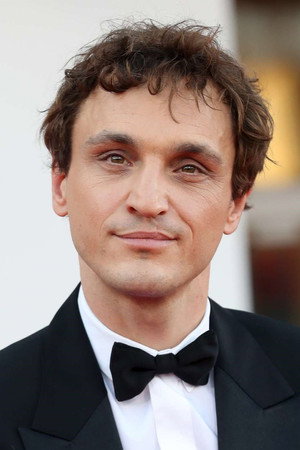
Franz Rogowski Movies, TV Shows, and Filmography
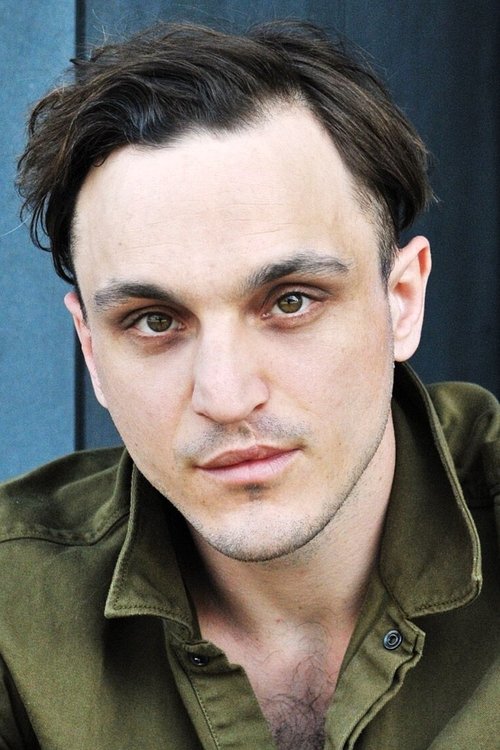
Franz Rogowski
Acting
Biography
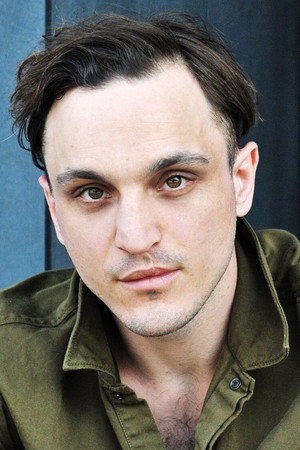
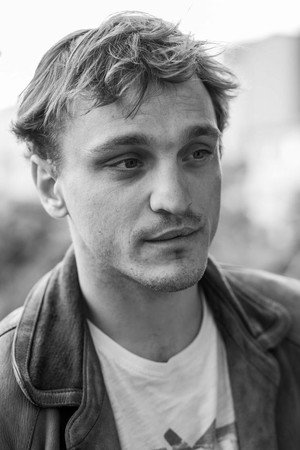
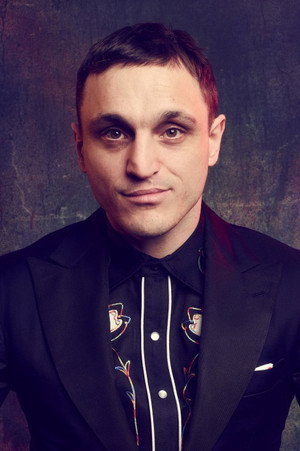
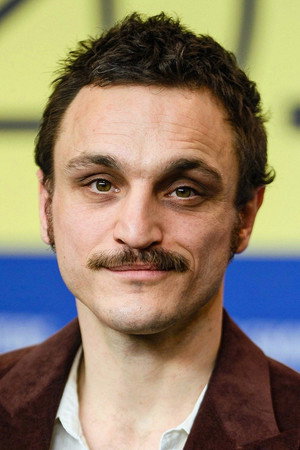
Franz Rogowski (born 2 February 1986) is a German actor and dancer. He has appeared in films directed by Michael Haneke, Christian Petzold, Terrence Malick and Andrea Arnold.
Filmography Movies
Acting
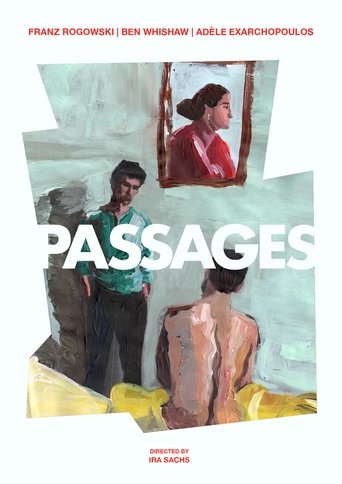
Passages
Tomas and Martin are a gay couple living in Paris whose marriage is thrown into crisis when Tomas impulsively begins a passionate affair with young schoolteacher Agathe. But when Martin begins an affair of his own, Tomas must confront life decisions he may be unprepared—or unwilling—to deal with.
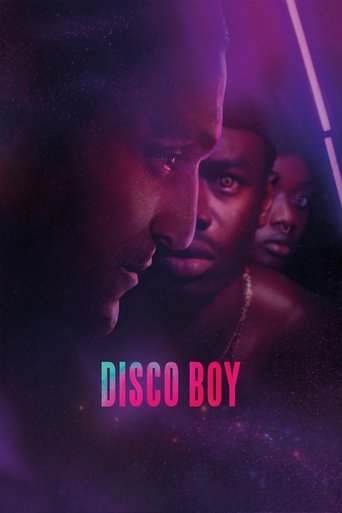
Disco Boy
After a painful journey through Europe, Aleksei, a Belarusian, joins the Foreign Legion in France and clings to a confused hope of a European identity. Jomo, a Nigerian, fights for the survival and durability of his people in the Niger Delta and is ready to die to defend his ideas. These two young people who are sacrificed and smashed together will, against all odds, meet and their destinies will merge to continue across borders, bodies, life and death...
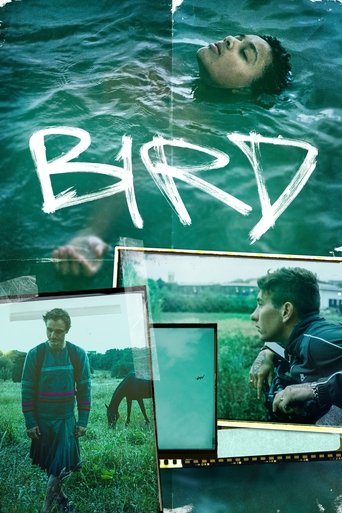
Bird
12-year-old Bailey lives with her single dad Bug and brother Hunter in a squat in North Kent. Bug doesn’t have much time for his kids, and Bailey, who is approaching puberty, seeks attention and adventure elsewhere.
Wizards!
The problems of two unlucky beach bar operators starts when they find stolen loot that they really should have left alone.
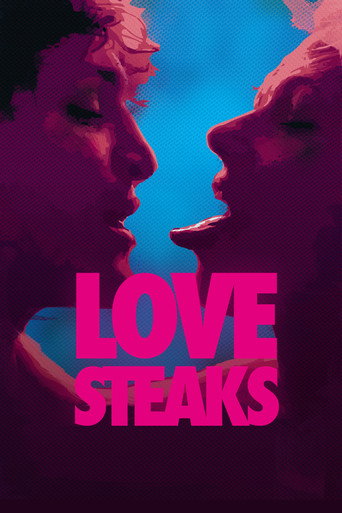
Love Steaks
Clemens works as a masseur, Lara as a cook, but their clientele is the same: the guests of a luxury hotel. As sparks begin to fly between the two, his sensitivity clashes with her more fiery temperament—opposites attract, but harmony is nowhere in sight.
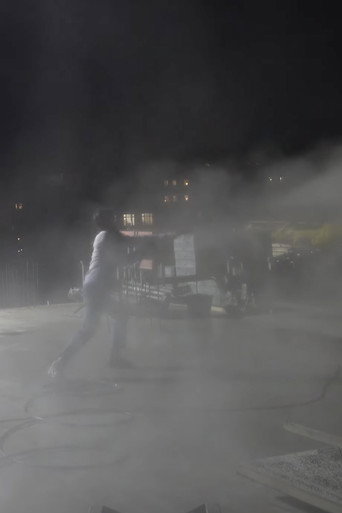
Moon in Earthlight
The film opens on a set of lights, arranged on a table, that throw colored shapes across the wall of a darkened room. This is followed by a range of subjects, mostly shot with an unmoving camera: hermit crabs on a beach, strips of paper arranged on the bed of a scanning photocopier, bare feet moving among metal rods on roughly poured concrete, the city of Los Angeles at different times of day, someone playfully maneuvering a power washer, a disco ball casting confettilike reflections, bodies touching, a worker at a construction site, and light on the surface of water, abstracted by darkness. [Overview Courtesy of MoMA]
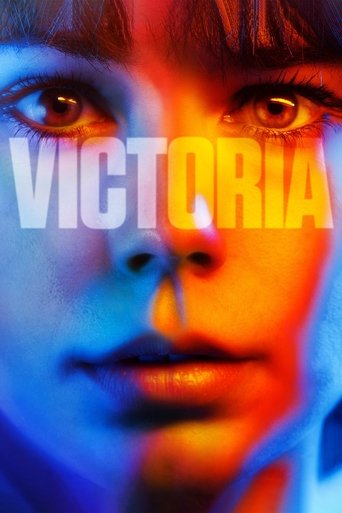
Victoria
A young Spanish woman who has newly moved to Berlin finds her flirtation with a local guy turn potentially deadly as their night out with his friends reveals a dangerous secret.
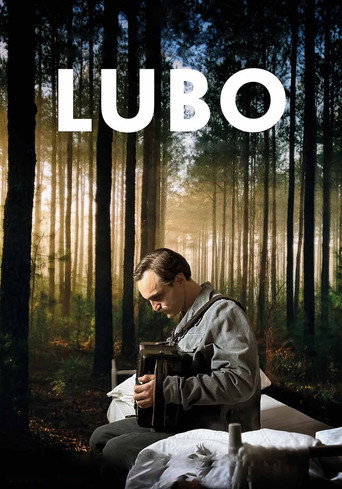
Lubo
Lubo Moser is a jenisch, a gypsy. Mirana, who tried to oppose him, was killed. But how could this have happened? Why? Because Switzerland considers nomadism a social scourge, and, to eradicate it, it takes the children of the jenisch. Thus, without children, the Jenisch will be without a future. The mastermind is a state-run humanitarian institution, Pro Juventute, the arm the Street Children's Work: everything is perfectly legal and there is no opposition to the law. Lubo feels himself dying. And something about him really does die, on that night of wind and snow: it will be a new Lubo, tough and impenetrable, who will set up a project with unexpected implications to avenge his family and his people... and it will lead us to rethink the sense of justice, in the blurred boundaries between good and evil.
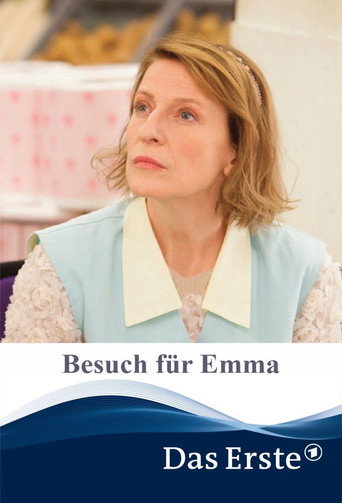
Besuch für Emma
Berlin, the vibrant life. Only cashier Emma feels really lonely. There is nothing wrong with her, she just goes underground in the big city. Her desire to meet people has brought Emma to a strange idea: she lets go in the supermarket purses of customers and later presents herself as a hospitable finder, who invites you to pick up at the laid table. Unfortunately, the visit remains short. Only the shrewd homeless August who sees through her starts to get interested in Emma.
Gallery