František Kubíček Movies, TV Shows, and Filmography
František Kubíček
Acting
Biography
No biography available.
Filmography Movies
Acting
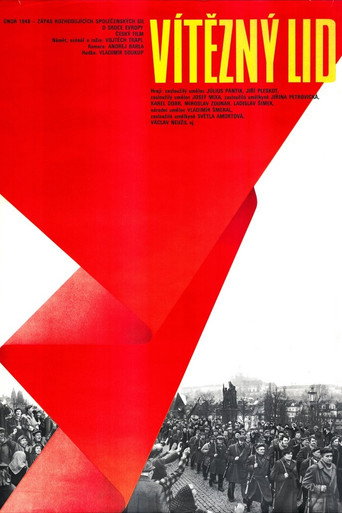
Vítězný lid
February 1948. The struggle of decisive social forces for the heart of Europe.
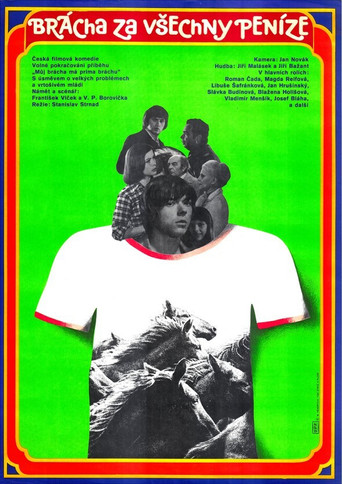
Brother for All the Money
Honza and Zuzana are very young husband and wife. They have a little daughter of whom willingly occasionally take care the grandparents and Honza's fifteen-year-old brother Martin. Zuzana continues studying and Honza devotes all weekends as an amateur competitor to the motor-cycles at the speedway. Zuzana is not interested in motor-cycles. Martin holds responsible for his brother's marriage and at the advice of his friend Magda, who is of the same age, invites her sister-in-law to the club of Hucul horses so that she does not feel bored. But by misfortunes and unexplained quarrels both young husband and wife start being jealous of one another.
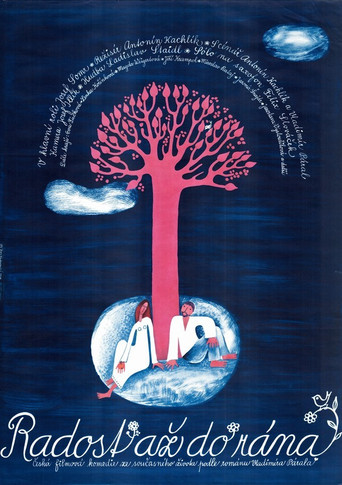
Radost až do rána
A psychological story about dissatisfied individuals who despise the stereotypes of others, but create their own. Kazan, a vagabond through life, and Viola, who always settles for the ideal, form a disparate pair who eventually find the one.
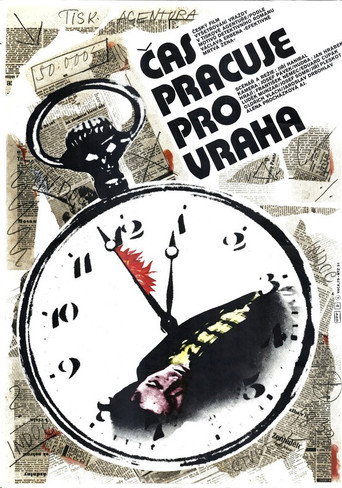
Čas pracuje pro vraha
Vera, wife of the plumber Simandl (Josef Somr), is found murdered in the cinema next to the IDOC (Information and Documentation) agency where she worked. Police captain Marha (Frantisek Nemec), who is leading the investigation, is informed by Simandl that on the day of the murder Vera promised to bring home fifty thousand crowns to buy a car. Marha's primary suspects are the three men working at the agency: deputy editor-in-chief Brandl (Jirí Pleskot) and editors Pernata (Eduard Cupák) and Remes (Ludek Munzar, and of course also Simandl.
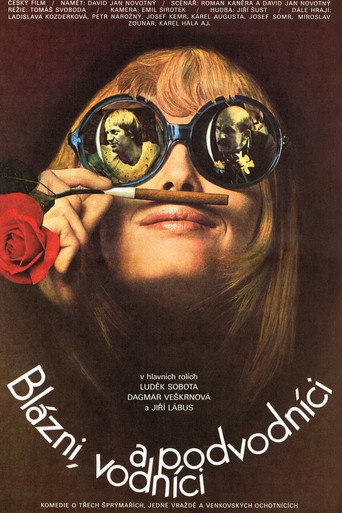
Blázni, vodníci a podvodníci
A crazy comedy, turning into a grotesque with a number of absurd elements, tells the tangled story of the over-the-top siblings Zuzana and Petr, recessionists who like to prepare harsh surprises for those around them, especially Zuzana's timid suitor Karlík. In addition to the hilarious Mr. Horák and the mannequin, the amateur ensemble Dalimil also plays an important role, tirelessly rehearsing an "avant-garde" performance of Jirásek's Lucerna...
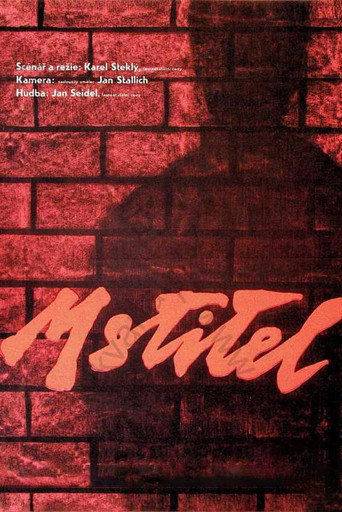
Mstitel
Kaspar Len returns home after three years in the army. He vainly searches for the mason Kryštof’s family where he had lived before he left. All he finds out is that Kryštof’s daughter Márynka, who was in his thoughts all those years, is now working in the local brothel. He goes to visit her and Márynka tells him of the misfortunes which befell her family.
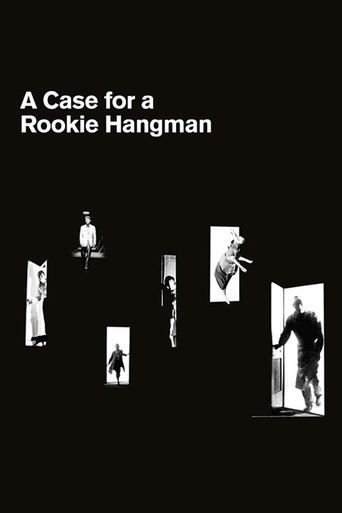
A Case for a Rookie Hangman
Lemuel Gulliver has had a car accident and continues his journey across the unknown countryside on foot. On the road he finds a dead rabbit dressed like a man and takes a watch from its waistcoat breast pocket. The half-ruined house that he enters reminds Lemuel of his childhood and brings up a painful memory of a dearly loved girl Markéta who was drowned years ago. Gulliver finds himself in Balnibarbi, a country where he doesn't understand the laws and habits and so continually offends against public decency. It is a day when people are ordered to keep their mouths shut and they force their visitor to follow suit. He faces harsh interrogation and finds it difficult to explain that he is not the rabbit Oscar whose watch has been found in his possession.
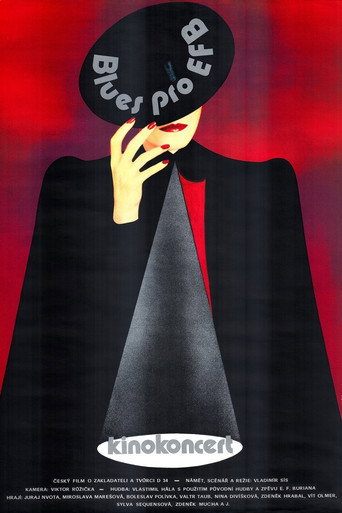
Blues pro EFB
An image and music collage - a cinema concert - guided by a young sound engineer David, for whom the exhibition on E. F. Burian is an incentive to take more interest in this avant-garde artist. The film interweaves two strands - documentary and factual, drawing on contemporary material and archival images - and fictional with the story of David the sound engineer.
Hra o královnu
A comedy about the love of the Czech nobleman Záviš of Falkenštejn for the Hungarian princess Kunhuta, who later married Přemysl Otakar II and became the Czech queen.
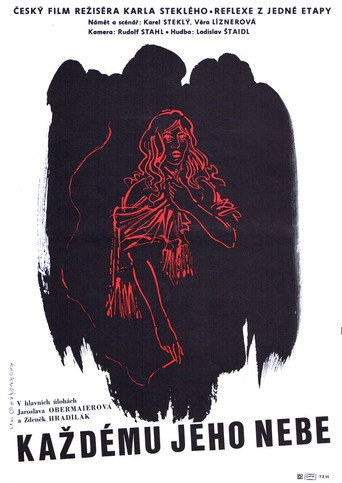
Každému jeho nebe
The life of cabaret and theater actress Xena Longenová.