František Jákl Movies, TV Shows, and Filmography
František Jákl
Acting
Biography
No biography available.
Filmography Movies
Acting
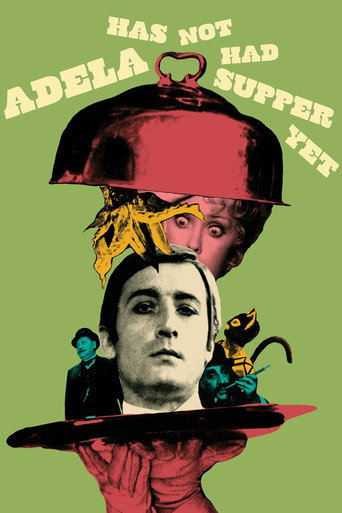
Adela Has Not Had Supper Yet
When famous detective Nick Carter visits Prague, he becomes involved in strange case of a missing dog and even stranger carnivorous plant. He becomes convinced that he is standing against his greatest enemy, the Gardener, who supposedly died years ago in a swamp...
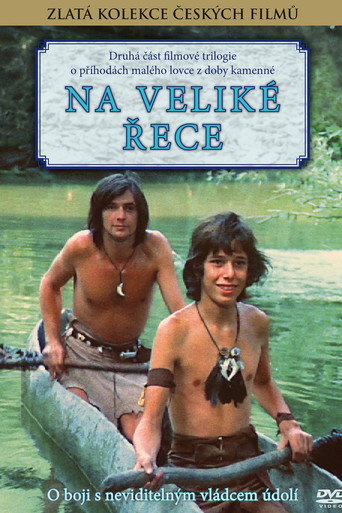
On the Great River
Second movie of the famous Czech adventure trilogy: Osada Havranů Na veliké rece Volání rodu
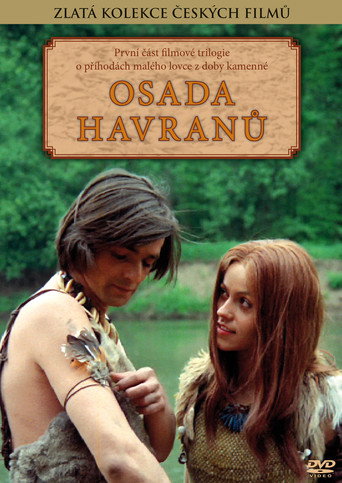
Settlement of Crows
First movie of the famous Czech adventure trilogy: Osada Havranů Na veliké rece Volání rodu, based on the works of Eduard Štorch and directed by Jan Schmidt. Each of the films is a completely separate and self-contained story, although they are all connected by some characters and, of course, by time - five thousand years ago. The story of the Ravenpiercer, a young hero from the Stone Age, is shrouded in mystery - for he was brought there by a swollen river. He was fished out of the waves by a young hunter, Sokol, and adopted by the Raven village. The fate of the boy from his childhood through his desire to become a hunter, through the many disappointments that await him among the adults, to the founding of a new family - this is the plot thread connecting the individual parts.
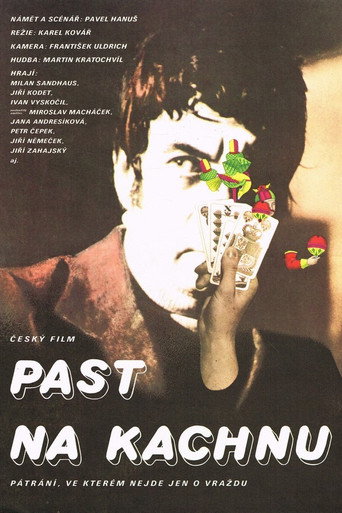
Past na kachnu
Taxi driver Koukal (Miroslav Machácek) is stopped by the police for a routine traffic check. In the boot of his car the police find the body of a naked man. Koukal is arrested even though he claims he knows nothing about it. The case is assigned to Major Mlynár (Milan Sandhaus). The police identify the corpse as that of an Austrian citizen called Mitrik. Koukal has been regularly driving people interested in gambling to a secret gaming den. The police are put onto the gambling den by another taxi driver, who admits that he drove Mitrik there. Mlynár and officer cadet Pecka (Ivan Vyskocil) feign interest in gambling and visit the gaming den incognito.
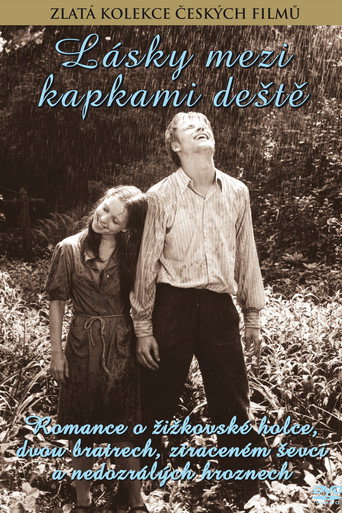
Love Between the Raindrops
Set in Prague during the years leading up to World War II, this family saga tells the story of a cobbler named Vincenc Bursik (Vladimir Mensik), who uproots his clan from the country to the city, only to suffer the loss of his wife and the failure of his shoe business within months. When his daughter moves away to go live with a wealthy businessman as his mistress, Vincenc is left to take care of his two sons, who spend their days in a secret garden vying for the affections of a teenage girl.
Muž na drátě
The protagonist is the ordinary and still blameless Evžen Macík, who one day, while waiting for his lover Maria, witnesses a robbery of a savings bank. When the robber drops a briefcase with half a million in loot, the loot falls in front of Evžen, who can't resist, picks it up and disappears. He knows that someone might have seen him at the scene of the crime, so he turns himself in as a witness to Captain Richter, who is investigating the case. Shortly thereafter, however, Maciek is contacted by the robber, who begins to force him to hand over the money with constant threats, initially only by telephone. In addition to pressure from the robber, pressure from the police is added because Captain Richter correctly suspects that Macík is hiding something from him. The mounting pressure leads to Eugene starting to make mistakes.
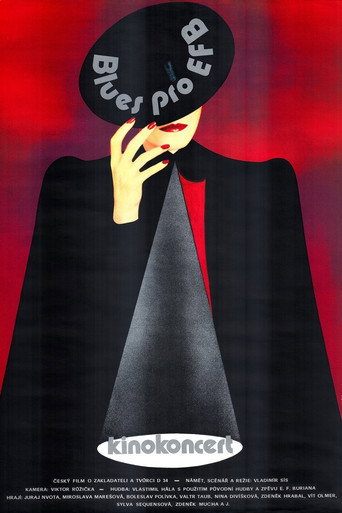
Blues pro EFB
An image and music collage - a cinema concert - guided by a young sound engineer David, for whom the exhibition on E. F. Burian is an incentive to take more interest in this avant-garde artist. The film interweaves two strands - documentary and factual, drawing on contemporary material and archival images - and fictional with the story of David the sound engineer.
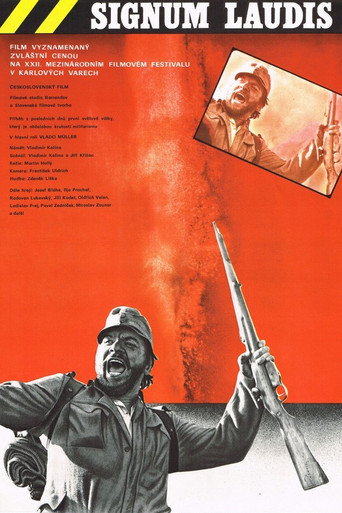
The Medal
The trenches of World War I provide for a captivating backdrop to the drama of Corporal Hoferik. In his devotion to the Habsburg Monarchy, he fanatically carries out his military orders, but he ultimately suffers the Empire's disfavor.
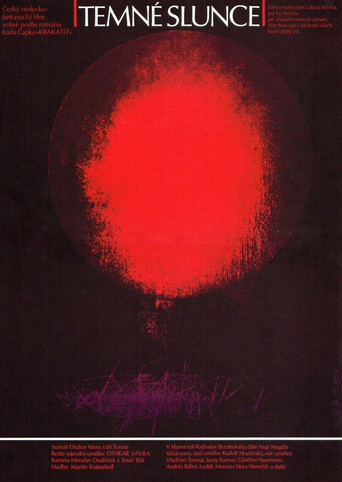
Dark Sun
A remake of Vávra's 1948 atomic age thriller Krakatit. Engineer Prokop creates the devastating explosive “Krakatit” and soon confronts manipulative agents and imperialist conspiracies. Realizing his invention’s threat, he fights to prevent its misuse, risking everything to stop those who seek to exploit his epochal discovery.
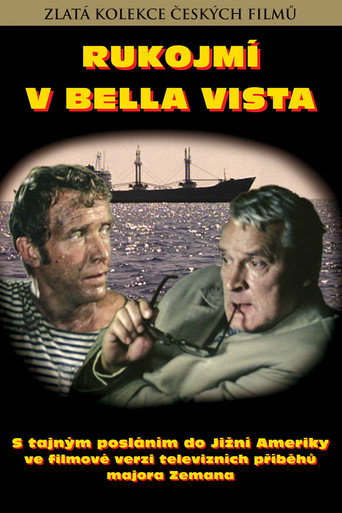
Rukojmí v Bella Vista
The film thematically follows the stories of the TV series "30 cases of Major Zeman". We can meet Major Zeman again with Lieutenant Colonel Zitny, Major Hradec and Lieutenant Gajdoš. The film is set in 1972 in a South American country and shows the activities of an international counter-revolutionary headquarters, which the central character of the film - Major Hradec - uncovers even at the cost of his own life. The film was largely shot in Cuba. The film is an edited version of the series episodes 27 and 28 "Messages from an Unknown Land" and "Hostages in Bella Vista".
Production
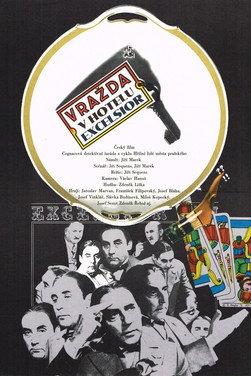
Murder in the Excelsior Hotel
In Vražda v hotelu Excelsior, the interwar period homicide detective squad from Prague investigates the murder of a wealthy woman, Mrs Matoušová, which threatens the reputation of the eponymous luxury hotel popular with Prague’s elite. Even the retired police inspector Mrázek (František Filipovský), who works at the Excelsior as a hotel detective, is unable to help at first. Although the investigation inevitably uncovers the hotel staff’s scheming, Vacátko and his team unerringly follow the trail that leads them to the murderer…
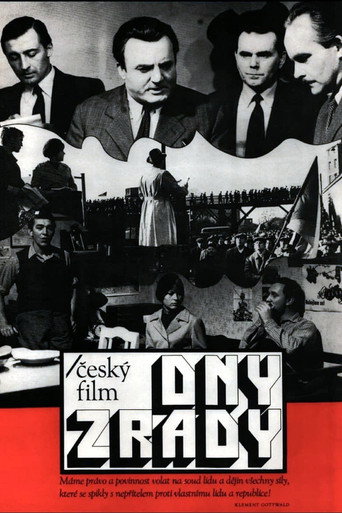
Days of Betrayal
This feature film based on the events of 1938 is a chronicle of the futile efforts of the Czechoslovak president Edvard Benes (Jirí Pleskot), politicians and ordinary citizens, to save the independence and the territorial integrity of the state from the advance of Hitler's Germany. On the 29th of March 1938 the leader of the Sudeten Germans Henlein (Werner Ehrlicher) has a meeting with Hitler (Gunnar Möller). Hitler orders him to intensify pressure on the Czechoslovak government. On the 24th of April in Carlsbad, the Sudetendeutsche Partei (Sudeten German Party) decides upon eight demands that are unacceptable to the Czechoslovak President, since they would ultimately lead to the break-up of the Republic. Benes still shows a certain willingness to negotiate, and Henlein resents this. The Germans are determined to make further negotiations impossible through incidents and violence.
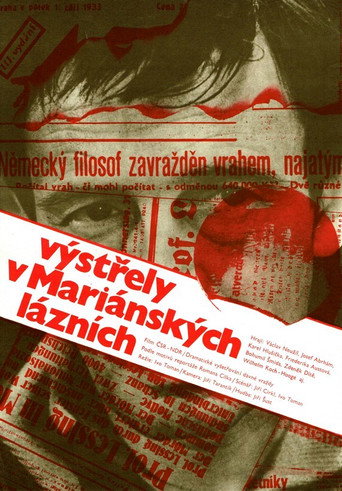
Gunshots in Mariánské Lázně
In May 1945, a woman in Marienbad reports a murder - committed in 1933 against the German emigrant Professor Lessing. She also names the murderer. Against the wishes of his superior, who does not feel responsible for this case - it was a fascist femicide - Inspector Šedý picks up the trail and arrests the murderer, the German Eckert. Eckert was a fugitive at the trial in 1933, and now the evidence is no longer available. Nevertheless, Šedý does everything he can to convict him. He finds witnesses who support him - anti-fascists, but also former collaborators who want to clear themselves. Reconstructing the case at the crime scene, Šedý is able to prove that Eckert was at least an accessory. He is convicted. After his release from prison, Eckert goes to West Germany, where he demands compensation from his former clients.
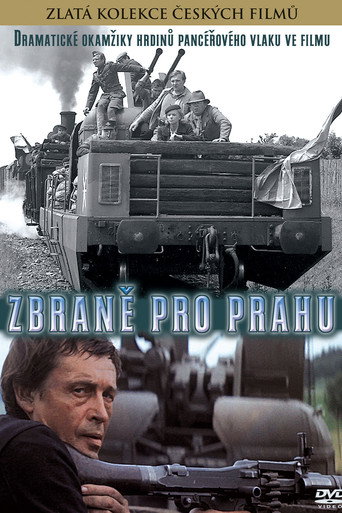
Zbraně pro Prahu
In May 1945, Czech revolutionaries used several armoured trains in the fighting - partly captured, partly assembled from whatever the railway brought. One of them was commanded by the shunter Jan Chýň, who managed to bring weapons from the ammunition depot in Libčice to help the fighting in Prague.
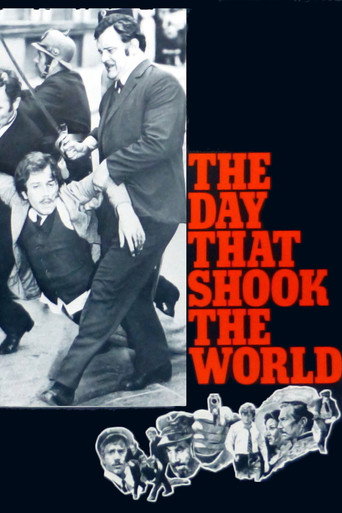
The Day That Shook the World
An historical depiction of the events preceding the political murder of Archduke Franz Ferdinand, would-be emperor of the Austro-Hungarian throne, in Sarajevo on June 28th, 1914.
Dům Na poříčí
The film was based on the novel "Milión" by Karel Štorkán. The book and the film depict the events surrounding the great construction disaster in Prague in 1928, in which 46 construction workers died. The disaster thrilled the entire republic at the time, yet was never fully explained. The filmmakers focus on the story of Ing. Vondrák, the designer of the construction.
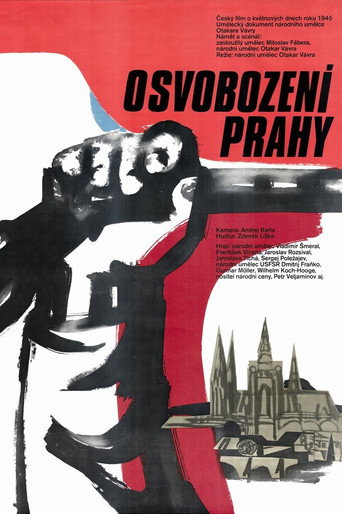
The Liberation of Prague
On 20th of April 1945 the Soviet army launches its attack on Berlin. The end has come for Nazi Germany and Hitler decides to commit suicide. In Prague K.H. Frank (Nazi Secretary of State and Chief of police in the Protectorate of Bohemia a Moravia) discusses with his commanders how to transform the city into an impregnable fortress, but the Praguers do not intend to wait any longer. From the early hours of 4th of May people start assembling in the streets and tearing down German signs. On the next day, the 5th of May, the uprising begins.
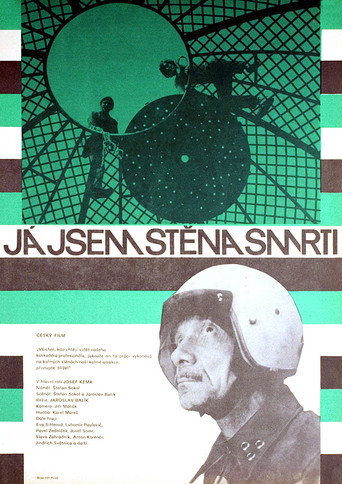
Já jsem Stěna smrti
An aging street stuntman plans new equipment to make his motorcycle stunts even more impressive, but his daughter wants to end his nomadic life in a camper van.
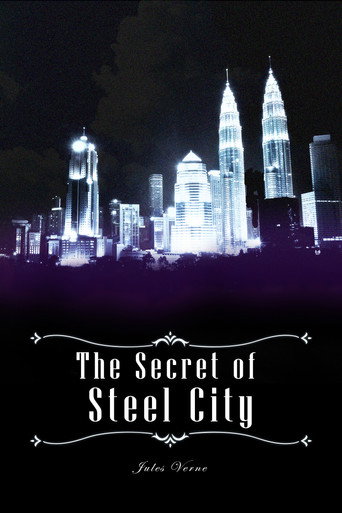
The Secret of Steel City
The film is a metaphor for the Cold War. It depicts two neighbouring nations: peace loving Fortuna and the not so peaceful land of the Steel City.
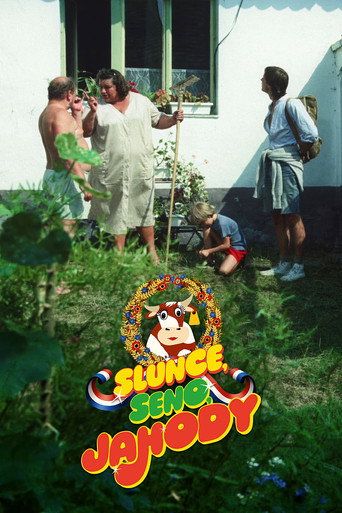
Sun, Hay, Strawberries
A Czech agricultural student, Šimon Plánička, arrives at the small South Bohemian town of Hoštice, and joins the local JZD (agricultural co-op) with the intention of trying out his experiment regarding the "Milk yield of cows in regards to a cultured environment". He runs into difficulty with the directorship of the JZD, but he finds them eager to help once they hear he's the son of the local agricultural commissioner, as his last name is also Plánička. Blažena Škopková is given the task of finding out how things are looking. However everything is complicated by the jealousy of Blažena's boyfriend Venca.