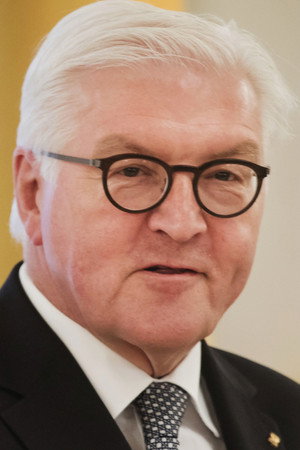
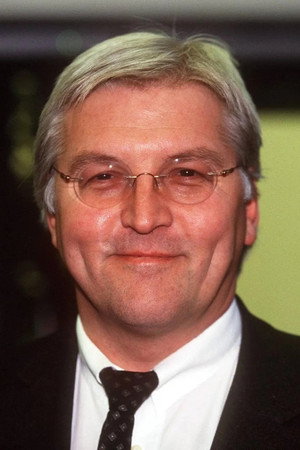
Frank-Walter Steinmeier Movies, TV Shows, and Filmography
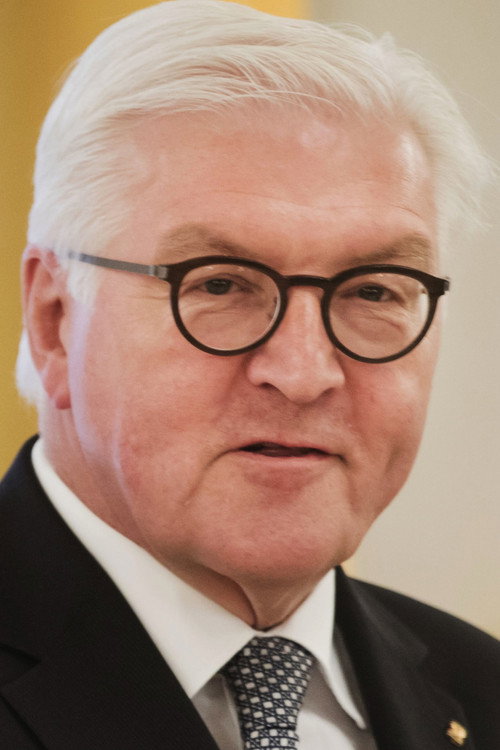
Frank-Walter Steinmeier
Acting
Biography
Frank-Walter Steinmeier (German: [ˈfʁaŋkˌvaltɐ ˈʃtaɪnˌmaɪ.ɐ]; born 5 January 1956) is a German politician who has served as President of Germany since 2017. He was previously Minister for Foreign Affairs from 2005 to 2009 and again from 2013 to 2017, as well as Vice-Chancellor of Germany from 2007 to 2009. Steinmeier was Chairman-in-Office of the Organization for Security and Co-operation in Europe (OSCE) in 2016. Steinmeier is a member of the Social Democratic Party of Germany (SPD), holds a doctorate in law and was formerly a career civil servant. He was a close aide of Gerhard Schröder when Schröder was Minister-President of Lower Saxony during most of the 1990s, and served as Schröder's chief of staff from 1996. When Schröder became Chancellor of Germany in 1998, Steinmeier was appointed Under-Secretary of State in the German Chancellery with responsibility for the intelligence services. From 1999 to 2005 he served as Chief of Staff of the Chancellery. Following the 2005 federal election, Steinmeier became Foreign Minister in the first grand coalition government of Angela Merkel, and from 2007 he additionally held the office of vice chancellor. In 2008, he briefly served as acting chairman of his party. He was the SPD's candidate for Chancellor in the 2009 federal election, but his party lost the election and he left the federal cabinet to become leader of the opposition. Following the 2013 federal election, he again became Minister for Foreign Affairs in Merkel's second grand coalition. In November 2016 the governing CDU/CSU-SPD coalition, which held a large majority in the Federal Convention, nominated him as candidate for President of Germany. He left the cabinet on 27 January 2017. He was elected president by the Federal Convention on 12 February 2017 with 74% of the vote. On 13 February 2022, he was re-elected by the Federal Convention for a second and final term with 78% of the vote. Steinmeier is known as a reform-minded moderate within the SPD. As chief of staff, he was a principal architect of Agenda 2010, the Schröder government's reforms of the welfare state. His lenient policies toward countries such as Russia and China have earned him criticism both in Germany and internationally, and he has been criticized for prioritizing German business interests over human rights. Description above from the Wikipedia article Frank-Walter Steinmeier, licensed under CC-BY-SA, full list of contributors on Wikipedia.
Filmography Movies
Acting
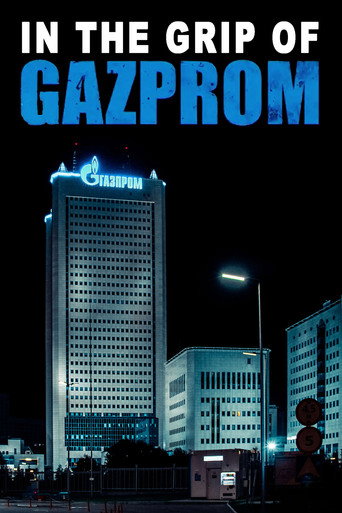
In the Grip of Gazprom
The war in the Ukraine has changed the way many European countries view Russian politics. Suddenly it became clear how dependent countries had become on Russian gas imports for decades and what Vladimir Putin was up to. However, no country needs more gas than Germany. It was only after Russia's invasion of the Ukraine that the German government realized that Russia had long used gas as a weapon to impose its will on states. The instrument created for this purpose is the natural gas production company GAZPROM. So how did Germany become so dependent on Russian gas? The documentary shows how, over several decades and several changes of government, a broad alliance of politicians and business representatives did everything possible to secure Germany's energy supply with cheap Russian gas, while the Kremlin's foreign policy became increasingly aggressive and the warnings of experts went unheeded.
Lebenslänglich Politik: Der ewige Schäuble
He has always been there. No one has been in German politics as long as Wolfgang Schäuble. He looked back on 50 years as a member of the German Bundestag. Schäuble was a man who helped shape the fate of the Republic for decades. He shaped politics - as the manager of German unity, for example. In 1990, he was the victim of an assassination attempt and fought his way back to life. He died in December 2023.
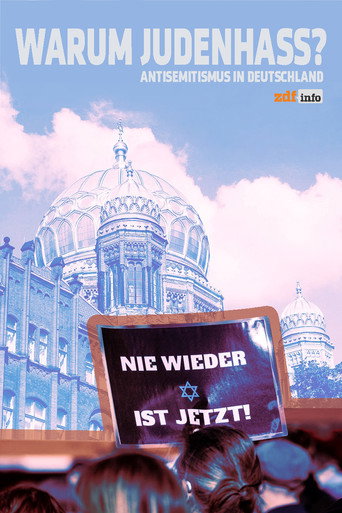
Warum Judenhass? Antisemitismus in Deutschland
Since the massacre by the terrorist organization Hamas on October 7, 2023, it has been clear that anti-Semitism is also a massive problem in Germany. The media reports on anti-Semitic incidents almost every day. Jews no longer feel safe and are often victims of discrimination and hatred. More than 75 years after the liberation of Auschwitz, Jewish life in Germany is still often exposed to anti-Semitic hostility. Schools, kindergartens and synagogues must be guarded. In the wake of pro-Palestinian demonstrations on German streets, aggressive anti-Semitic agitation by angry Islamist mobs is increasingly occurring. Politics is failing to act on its promise. But the breeding ground for this is older. The documentary attempts to show that, based on age-old hatred, stereotypes and prejudices, anti-Semitism from the right-wing, from left-progressive circles and the middle of society is omnipresent in Germany.
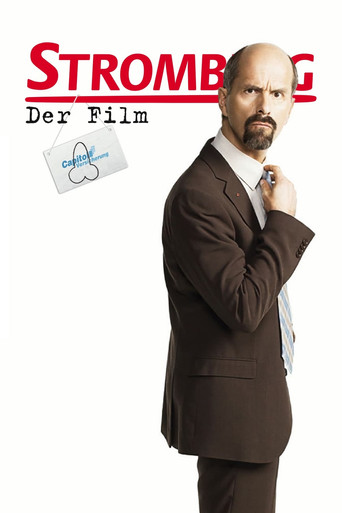
Stromberg – The Movie
The celebration of the 50th anniversary of “Capitol-Insurance” is due – that's what the bosses thought. All employees are invited to join the party in a hotel. However, rumors say the company's not doing very well. To avoid unemployment due to the possible shutdown of the smaller branch office the only option is to move to the headquarters. Now that's the ultimate challange for Stromberg, who is notoriously trying to be the example of a department manager, gathering all of his employees behind him.

PyeongChang 2018 Olympic Opening Ceremony: Peace in Motion
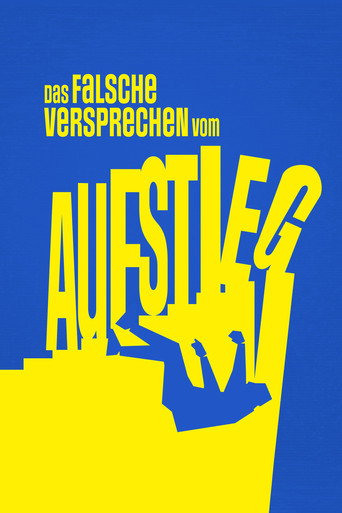
The False Promise of Advancement
Origin sticks like shit to your shoe! That's what Marlen Hobrack says, who grew up as a working-class child in Bautzen. But the promise of the old Federal Republic was that you can become anything if you just try hard enough. But that no longer applies. So is class in Germany fixed from birth? Have we long been living in a country in which origin and family background are more important for future prospects than individual performance and commitment? In Germany, it takes six generations to rise from poverty to the middle class, in Denmark only two generations. Those affected reflect on their life stories, the burden of their social origins, the wrong and right turning points for social advancement, as classified by social researchers. They talk of pride and shame, of financial hardship and wealth, of origin and future, of growing up and moving up in this Germany with its entrenched selection mechanisms for social advancement.
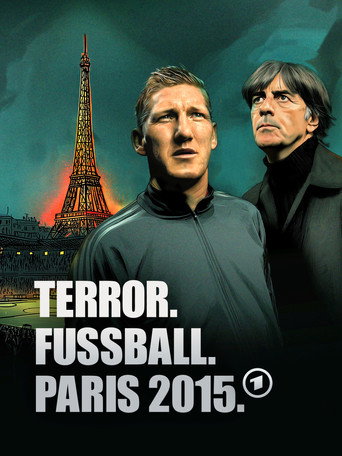
Terror. Fußball. Paris 2015 · Die Nationalmannschaft im Visier
On November 13, 2015, the German national football team experienced the incredible at the Stade de France in Paris: During the international match against France, explosives detonated directly in front of the stadium goals. During the game, Paris is rocked by a wave of terror. In the end, the attacks in a total of five different locations will cost the lives of 130 people, while 80,000 people in the stadium narrowly escape disaster at the hands of suicide bombers. It will be one of the darkest nights of France and European football.
Gallery