Acting
No biography available.
In the middle of nowhere, along a secondary road, a small old gas station interrupts the arid countryside. Its owner is José, a man of about fifty years marked by the tragic death of his wife.
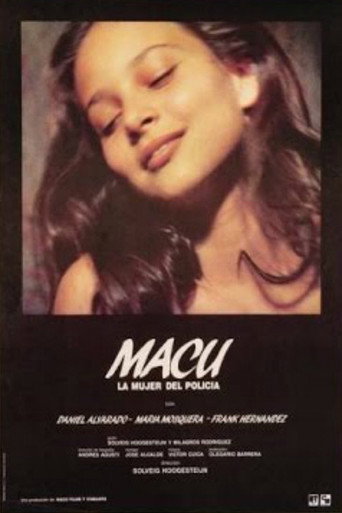
Directed by Solveig Hoogesteijn, Macu, the Policeman's Woman (1987) is a Venezuelan crime drama based on a true story. The film follows Macu, a young woman living in a Venezuelan shantytown, who becomes romantically involved with a local policeman named Ismael. As their relationship develops, Ismael's jealousy intensifies, leading to tragic consequences. The narrative delves into themes of power, control, and the dynamics of abusive relationships within marginalized communities. The film is notable for its exploration of gender roles and societal issues in Latin America.
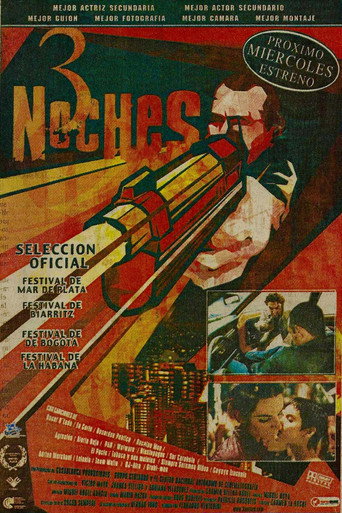
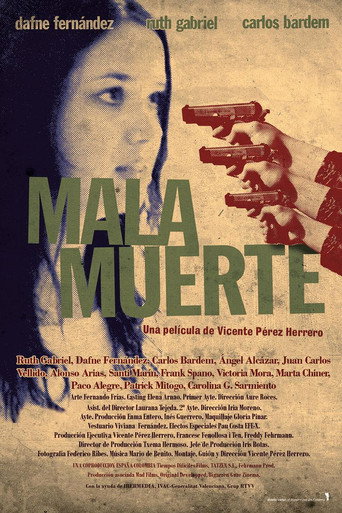
When the corpse of mobster Miguel "el chino" Sanabria surfaces, everyone thinks his death is the result of an argument during the heat of the moment. That is, everyone except Officer Ferran (Victor Mayo), who believes something more menacing was at fault. Along with Picasso (Juanko Vellido), the last person to see Sanabria alive, Ferran sets out to find the truth behind the murder -- and learns something about his own destiny in the process.
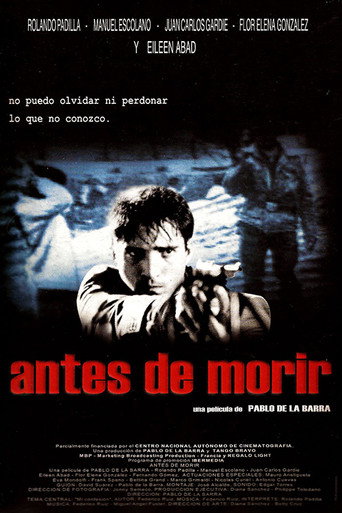
Andrés lives obsessed with the disappearance and possible murder of his family during a violent military coup in his country. The years have aggravated his obsession and he has become a police man as a way of accessing the truth. There is some madness in his life. He won’t rest until he finds the truth which is closer every day.
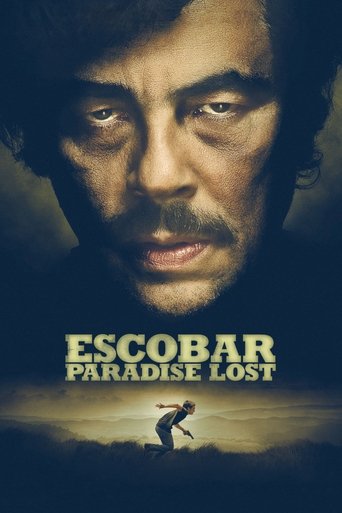
For Pablo Escobar family is everything. When young surfer Nick falls for Escobar's niece, Maria, he finds his life on the line when he's pulled into the dangerous world of the family business.
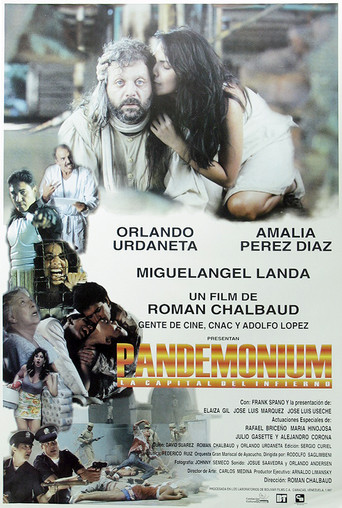
Adonai is an lunatic poet. He lives in an abandoned neighborhood of Caracas where he runs an underground radio called "Radio Pandemonium", he lives with his mom, his grandmother and a young lady who she calls very endearly, 'whore'. They survive among the corrupt, the death and the rising upheaval of the oppressed.
Two Venezuelan climbers try to fulfil their dream of an expedition to Mt. Everest.
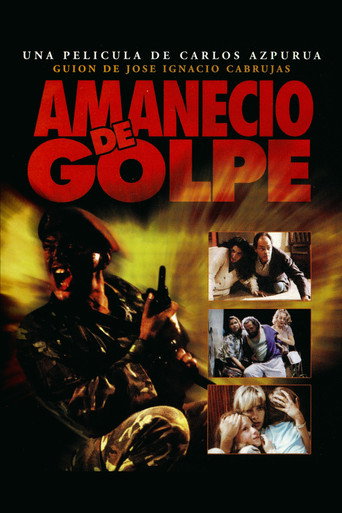
The film follows the events of the night of February 4, 1992 in Caracas, Venezuela. That night a group of military rebels staged a coup d'etat. Venezuelans found themselves as virtual prisoners. As the coup starts and fighting takes place from a military base which is in the center of the city's most affluent areas, with both luxury high rises and palatial mansions. The area of La Carlota provides a wealth of very interesting, often flamboyant and typical characters of the Latin America upper middle and upper classes. They are among the most affected. Various vignettes in these different characters' homes are developed. These people's reactions, lifestyles, vices, and humanity come out in a very honest fashion under duress.
In 1999, torrential rains caused the greatest catastrophe in the history of Venezuela. A mudslide buried the 15,000 inhabitants of the city of La Guaira. Two women. Two generations. Isabel and Yudeixi are damaged during the tragedy that takes away their past in a matter of hours.
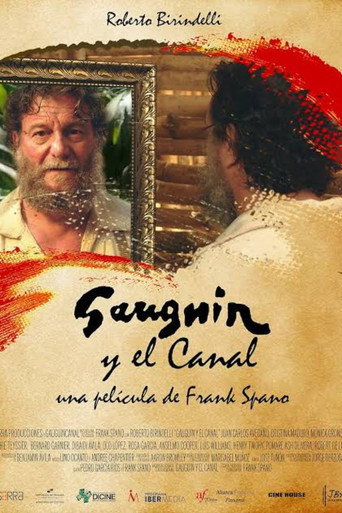
Confined to his Tahitian hut by the French colonial authorities in 1903, the painter Paul Gauguin is forced to paint a new masterpiece to save his five-year-old native son, while battling illness and torn between madness and sanity. In the course of these events, memories of the past, especially of his life and work at the Panama Canal, the place where his artistic career began and his guilt at abandoning his family in Paris, begin to haunt him.
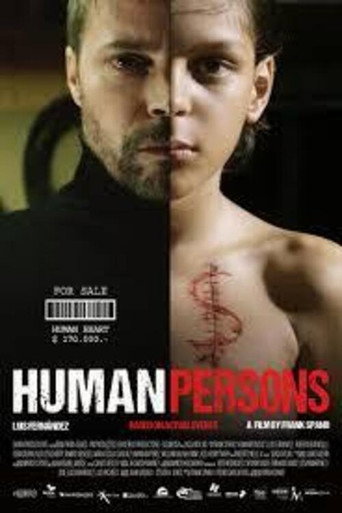
James returns to his native Latin America after 30 years, with just one thing in mind-taking an organ from a human victim and smuggling it back to the United States. On this trip, relives memories of his own violent past, which makes him think twice about redeeming his future.