Sound
No biography available.
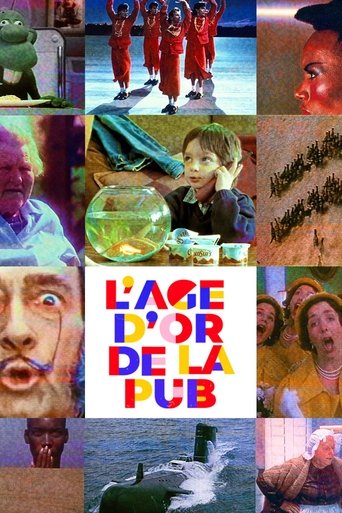
55 years ago, on October 1 1968, the first brand advertising spot appeared on the French television screen. Over the next three decades, thousands of creative little films would seduce and build our collective memory. Kitschy or cult spots, humor, slogans, music, stars, gimmicks, grand spectacle or sex appeal: during its golden age, how did advertising convince? Thierry Ardisson has brought together almost 400 advertising clips to relive the era of the conquest of minds and wallets.
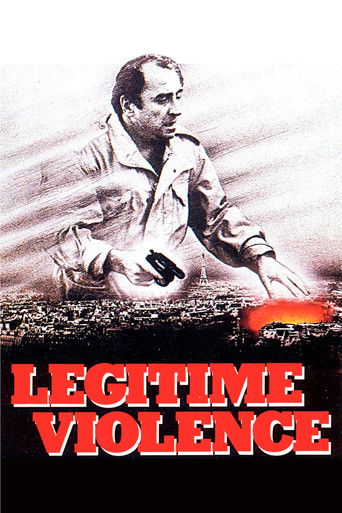
In the course of a violent hold-up at Deauville station, several innocent bystanders are shot dead. The victims include a politician, Robert Andréani, and three members of the same family. Devastated by the death of his wife, daughter and mother, Martin Modot resolves that their killers will be brought to justice. When the police fail to make any progress in their investigation, he decides to take matters into his own hands, with the support of a neo-fascist vigilante organization.
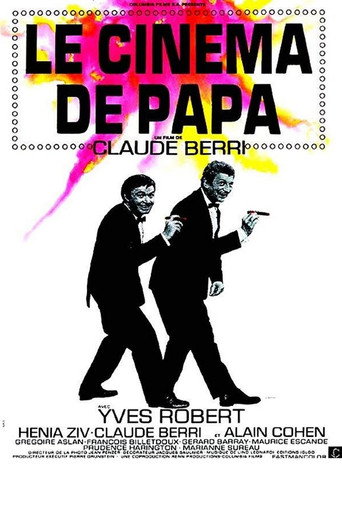
Claude Berri plays himself as he relates his own experiences through youth and adolescence. His father owns a profitable fur shop. Initially, Claude's father hopes his son will take over the fur shop, but he later gives in to Claude's desire to become involved in filmmaking.
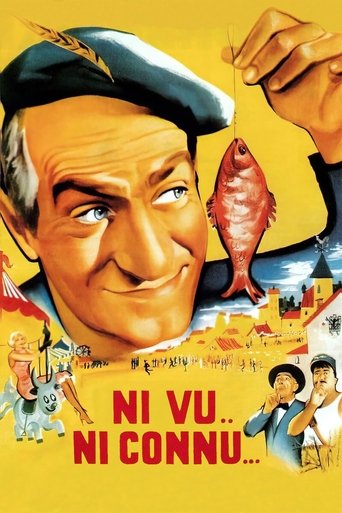
In a small French village, everything would be quiet if the local wildlife cop was not being ridiculed by a smart poacher.
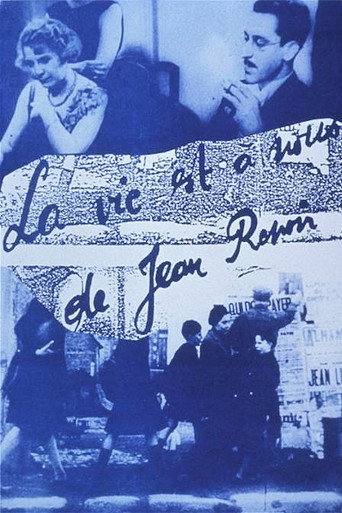
A propaganda film of the communist party of France, showing how the comrades help the proletariat against the capitalists.
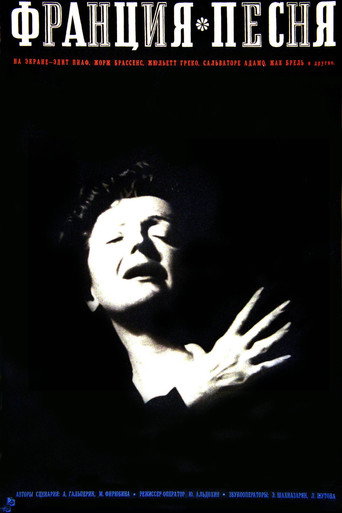
Song chronicle of France in the 60s. The film introduces the work of famous French chansonnier singers.
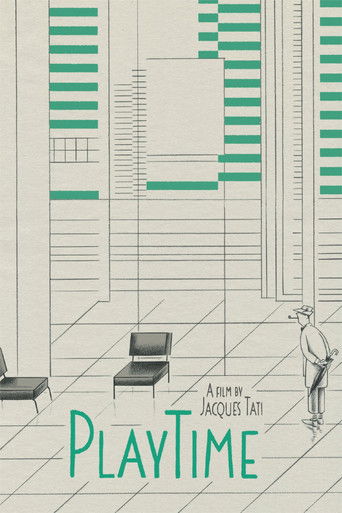
Clumsy Monsieur Hulot finds himself perplexed by the intimidating complexity of a gadget-filled Paris. He attempts to meet with a business contact but soon becomes lost. His roundabout journey parallels that of an American tourist, and as they weave through the inventive urban environment, they intermittently meet, developing an interest in one another. They eventually get together at a chaotic restaurant, along with several other quirky characters.
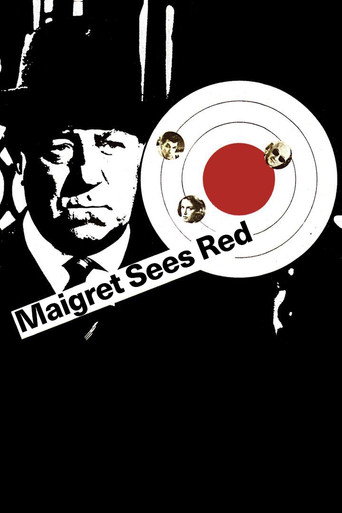
Gangsters from the United States try to kill a key government witness whose testimony could help land an influential mobster in jail. It's up to detective Maigret to deal with the FBI and a series of underworld figures to save the life of the witness...
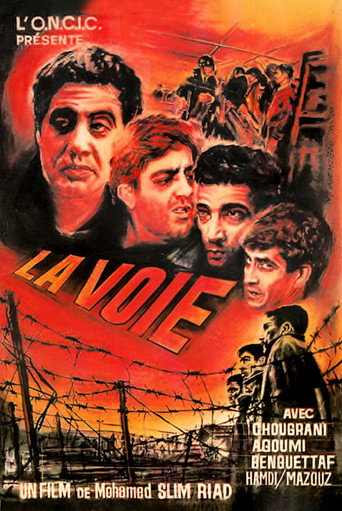
The Algerian War is seen through the eyes of a group of Algerian freedom-fighters who have been captured and incarcerated in French-run military prisons both in France and Algeria. In addition to attempts at escape, this prison drama also includes propaganda and brainwashing attempts by the French and scenes of torture. In what is possibly the most horrible torture of all, the inmates are forced to listen to broadcast speeches by General Charles de Gaulle -- speeches which illustrate the changing relations between the French and the Algerians.
Victor Le Garrec, a former boxer, runs a gym in Paris while dreaming of finding an aspiring champion who will reach the goals he was never able to achieve.
Twenty-five films from twenty-five European countries by twenty-five European directors.
"Le Dabe" retired many years ago and now he lives in the Tropics where he owns stables and horses. He is a very rich man. He was the king of all money counterfeiters. He is contacted from Paris to organize a new job. He says no. But when he finds out the the currency that should be counterfeited is the Dutch florin, he accepts immediately. He retired after having counterfeited 100 florin notes just before the Queen Wilhelmina retired them from circulation. He flies to Paris. But the gang is not to be trusted, at least not all of them.
This simple romantic tragedy begins in 1957. Guy Foucher, a 20-year-old French auto mechanic, has fallen in love with 17-year-old Geneviève Emery, an employee in her widowed mother's chic but financially embattled umbrella shop. On the evening before Guy is to leave for a two-year tour of combat in Algeria, he and Geneviève make love. She becomes pregnant and must choose between waiting for Guy's return or accepting an offer of marriage from a wealthy diamond merchant.
New Faces was a musical revue with songs and comedy skits tied together by a quirky plot. It ran on Broadway for nearly a year in 1952 and was then made into a motion picture in 1954. It helped jump start the careers of several young performers including Paul Lynde, Alice Ghostley, Eartha Kitt, Carol Lawrence, performer/writer Mel Brooks (as Melvin Brooks), and lyricist Sheldon Harnick. The film was basically a reproduction of the stage revue with a thin plot added. The plot involved a producer and performer (Ronny Graham) in financial trouble and is trying to stave off an angry creditor long enough to open his show. A wealthy Texan offers to help out, on the condition that his daughter be in the show.