Francis Blanche Movies, TV Shows, and Filmography

Francis Blanche
Acting
Biography
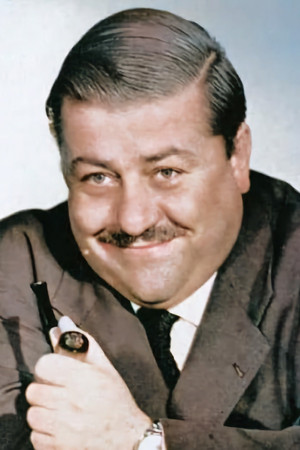
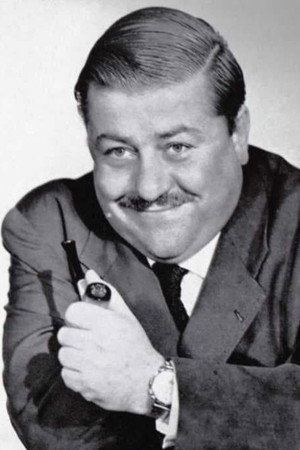
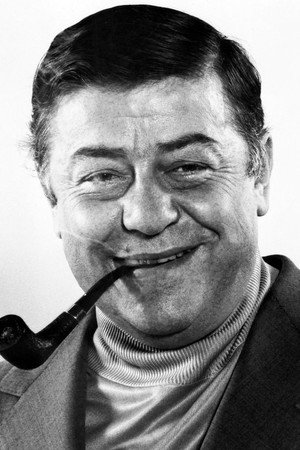
François Jean Blanche, known as "Francis Blanche" (20 July 1921 – 6 July 1974) was a French actor, singer, humorist and author. He was a very popular figure on stage, radio and in films, during the 1950s and 1960s. His two daughters, Barbara & Dominique, are artists with their studios in Eze. Blanche was born in an artistic family, mainly of stage actors—including his father Louis Blanche and his uncle, Emmanuel Blanche, who was a painter—. He completed his secondary schooling at fourteen, the youngest in France to do so at the time. In the 1940s and 1950s, Blanche was part of Robert Dhéry's theatrical company Les Branquignols, with whom he played in the film Ah! Les belles bacchantes, starring Robert Dhéry, Colette Brosset (Dhéry's then-wife), and Louis de Funès; directed by Jean Loubignac in 1954. Blanche teamed up with Pierre Dac to form a comic duo best remembered for Le Sâr Rabindranath Duval, a sketch about a phony and nonsensical Indian clairvoyant and guru (1957). They also created a popular and equally nonsensical radiophonic series, loosely based on a highly improbable espionage and conspiration plot, Malheur aux barbus, which was broadcast on Paris Inter in 213 episodes from 1951 to 1952. The same plot and characters were revived on Europe 1 in a series called Signé Furax, enjoying no less than 1,034 daily episodes between 1956 and 1960. Both broadcasts were phenomenal audience successes in the pre-television era. Blanche was also renowned for broadcasting phone pranks, in which he entertained listeners by making the most improbable situations sound plausible. He wrote poems, and the lyrics of 673 songs. On stage, he acted in Tartuffe and Néron and, in 1955, Chevalier du Ciel, an operetta by Luis Mariano at the Gaîté-Lyrique theatre. Blanche also enjoyed a successful cinematographic career, both as an actor and scriptwriter. He appeared as a hard-headed German colonel ("Obersturmführer Schulz") opposite Brigitte Bardot in Babette s'en va-t-en guerre (1959). He was one of the favourite actors of French filmmaker Georges Lautner, and played Maître Folace (a shady solicitor counselling a colourful gangster mob) in Les Tontons flingueurs (1963). Blanche also appeared in Boris Vassilief's Les Barbouzes (1964). He delighted in parodying classical music, adapting famous works such as Schubert's "Die Forelle" (The Trout) into a crazy and slightly risqué piece about a 16-year-old romantic girl obsessed with Schubert's song to the point of giving birth to a live trout while performing it on her piano. Similarly, he turned Beethoven's 5th Symphony into a lengthy and quite repetitive musical glorification of the clothes peg and its fictitious inventor, Jérémie-Victor Opdebec. Blanche died at the age of 52, from a heart attack with a background of untreated Type 1 diabetes. He is buried in Èze cemetery. Source: Article "Francis Blanche" from Wikipedia in English, licensed under CC-BY-SA 3.0.
Filmography Movies
Acting
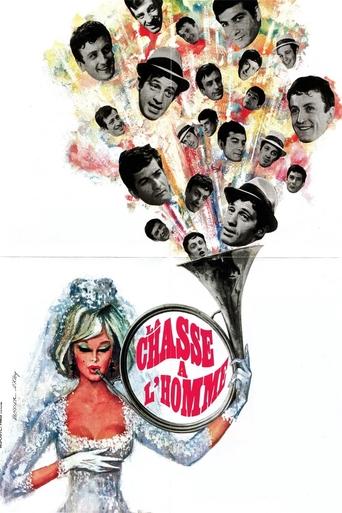
Male Hunt
A few stories about marriage and its problems. Antoine is about to marry Gisèle. His friend Julien, an established bachelor, desperately tries to convince him not to do it, recounting his own painful experiences.
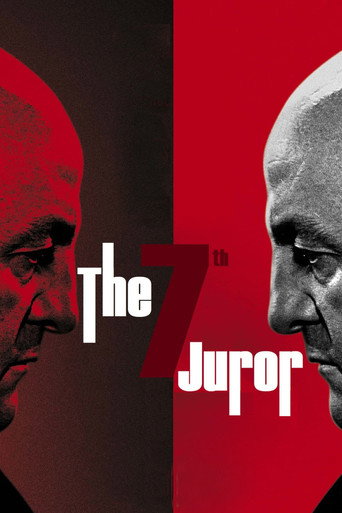
The Seventh Juror
In a moment of madness a middle-aged, married and respectable pharmacist kills a young woman who is sun-bathing by a lake. Unable to take in what he has done, he flees from the scene of the crime and behaves as if nothing has happened. Eventually her boyfriend is charged with the crime and, in a strange twist of fate, the killer finds himself serving on the jury.
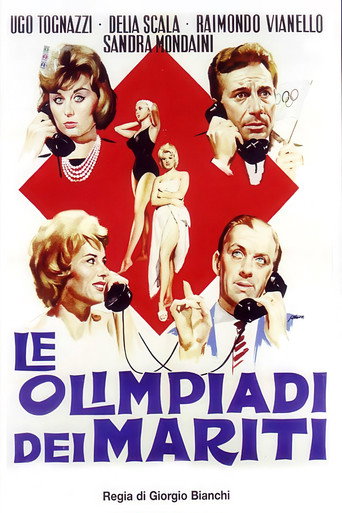
Le Olimpiadi dei mariti
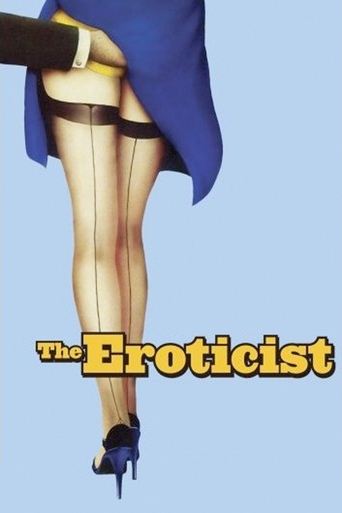
The Eroticist
Senator Pupis feels a strong and uncontrollable urge to grab women's bottoms, a habit than can lead to embarrassment, especially if the woman in question is head of another state and the occasion a state visit. In his desperation Pupis turns to the clergy for spiritual and psychological help.
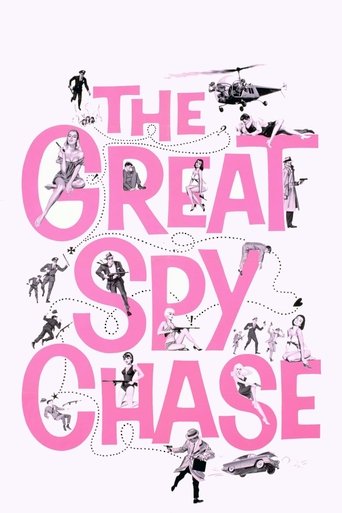
The Great Spy Chase
A cold-war spy parody. After the death of an armaments manufacturer, an international group of spies is drawn into a high-stakes battle of wits to obtain the valuable military patents which have been inherited by the lovely widow.
Crooks in Clover
An aging gangster, Fernand Naudin is hoping for a quiet retirement when he suddenly inherits a fortune from an old friend, a former gangster supremo known as the Mexican. If he is ambivalent about his new found wealth, Fernand is positively nonplussed to discover that he has also inherited his benefactor’s daughter, Patricia. Unfortunately, not only does Fernand have to put up with the thoroughly modern Patricia and her nauseating boyfriend, but he also had to contend with the Mexican’s trigger-happy former employees, who are determined to make a claim.
Thank Heaven for Small Favors
Bad financial conditions compel an aristocratic family to do strange work.
Sweet and Sour
Gerard, a young man from a "good family" dreams of becoming an actor. To do this, he follows everywhere his sister Frédérique who is infatuated with cinéma vérité.
People in Luck
A light French comedy of 5 segments.
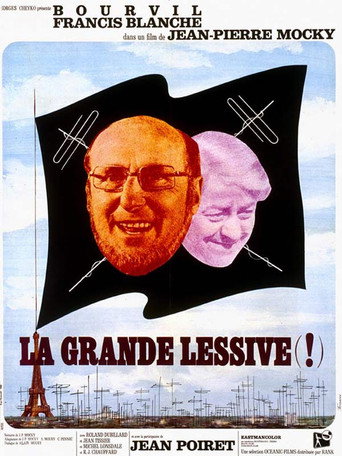
The Big Wash
Sickened to see his students always sleeping in class, a teacher with a colleague and an anarchist start a war against the television. They climbed on Paris roofs to coat the T.V. antennas with a special product cutting the signal reception.
Production
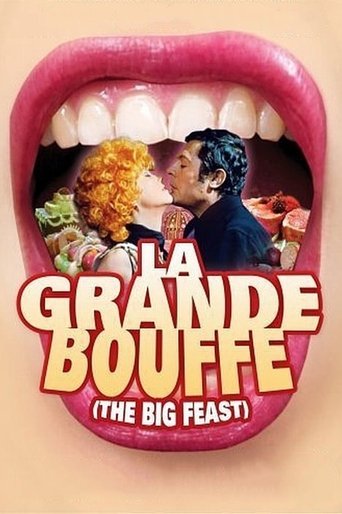
La Grande Bouffe
Four friends gather at a villa with the intention of eating themselves to death.
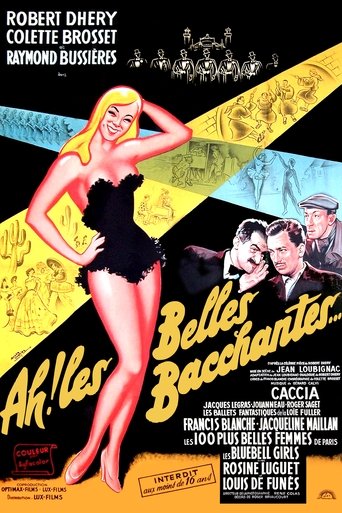
Peek-a-boo
A small-town policeman is informed that "naked women" are dancing in a revue at a local variety theater. Being the guardian of public morals that he is, he decides to stroll on down there and check it out for himself.
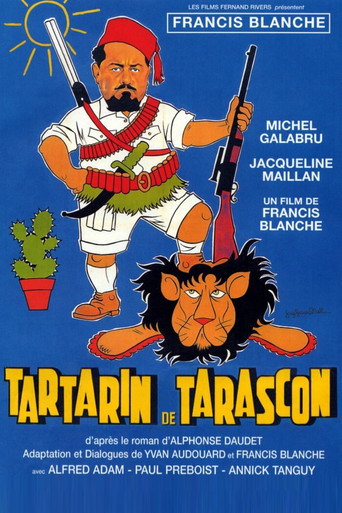
Tartarin de Tarascon
A well-to-do bourgeois, Tartarin lives in Tarascon, a small southern town, among friends who, like him, love hunting "à la casquette", gossip, aperitifs and thought-provoking journeys. Imaginative like all his compatriots, Tartarin ended up believing he had once been to Shanghai, so fervently did he recount his illusory adventures. It was even rumored that Tartarin was about to leave for Africa to hunt wild beasts, and this was so insistent that the brave man, urged on by his friends, was forced "for the sake of honor" to embark. He arrives in Casablanca, surprised to discover a modern city and not a single lion. But a charming Moorish woman, Baïa, seduces him, and Tartarin indulges in the "delights of Capua". This euphoria is short-lived: Baïa disappears, a false prince, mostly a swindler, finds a replacement and sets off on a hunting expedition in southern Morocco, which will only earn Tartarin the loss of his savings and a blind old lion dragged along by two beggars.
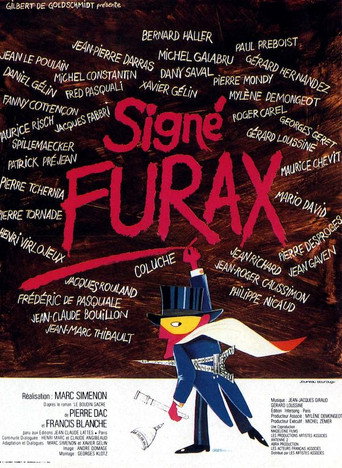
Signé Furax
The notorious and mysterious criminal Furax steals France's famous monuments, replacing them with replicas.
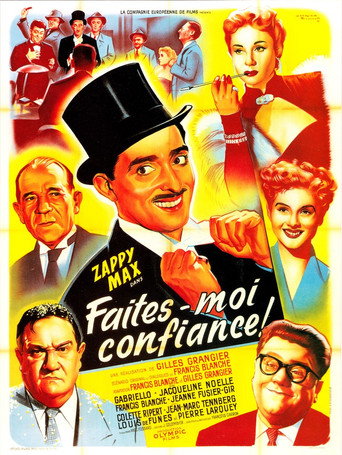
Trust Me!
Max, an illusionist as unlucky as he is skilled, would like to marry his boss's daughter, but his boss won't hear of marriage and even threatens to fire him if he doesn't come up with an interesting act. A supplier of magic items comes to Marx's rescue, handing over his "magic clock". Marx locks himself in to experiment with it and, unable to get out, falls asleep... He has a dream in which, with the power to make false things true, he becomes the hero of extraordinary adventures that take him to an Eastern country where he is made Emperor. He calls Helen to marry him, but the deposed Emperor takes revenge by having the usurper locked up in a sarcophagus.
Gallery