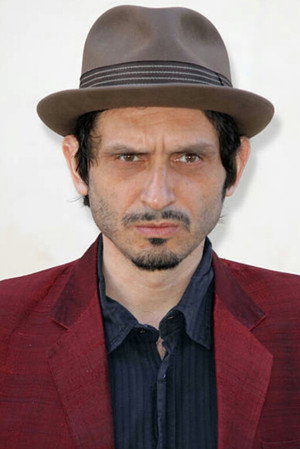
Francesco Cabras Movies, TV Shows, and Filmography
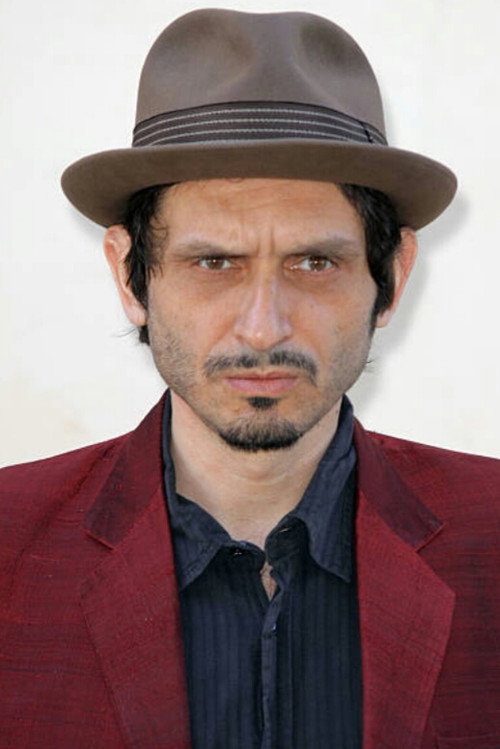
Francesco Cabras
Acting
Biography
No biography available.
Filmography Movies
Acting
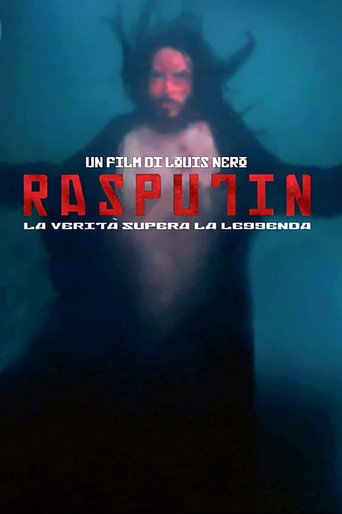
Rasputin
Grigorij Efimovic Rasputin (1869-1916) the mystic and self-proclaimed holy man. The saint-demon and the simple peasant. About the plot against Rasputin, hated and feared at the highest levels of government because of his surreal influence on the Tsar.
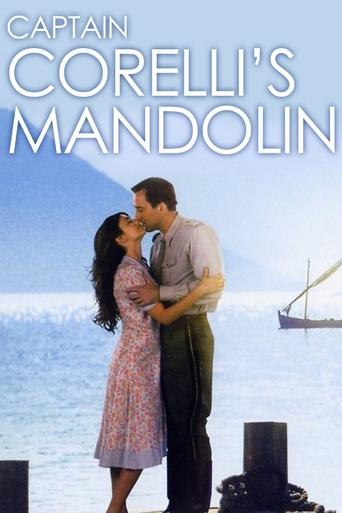
Captain Corelli's Mandolin
When a fisherman leaves to fight with the Greek army during World War II, his fiancée falls in love with the local Italian commander.
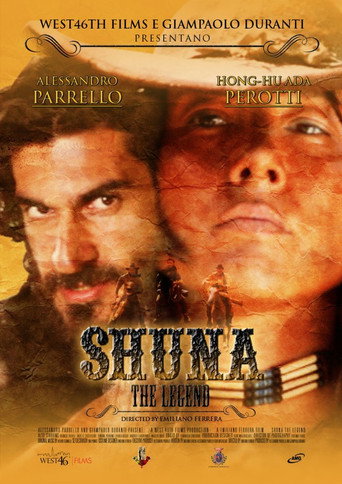
Shuna: The Legend
An Indian woman is looking for vengeance.
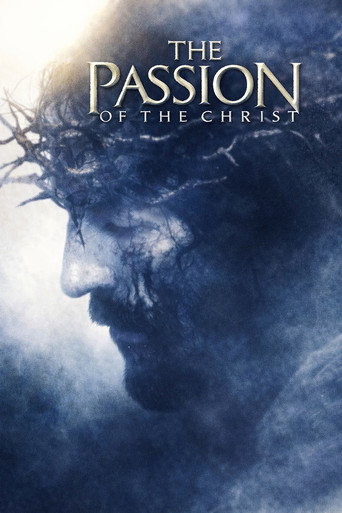
The Passion of the Christ
A graphic portrayal of the last twelve hours of Jesus of Nazareth's life.
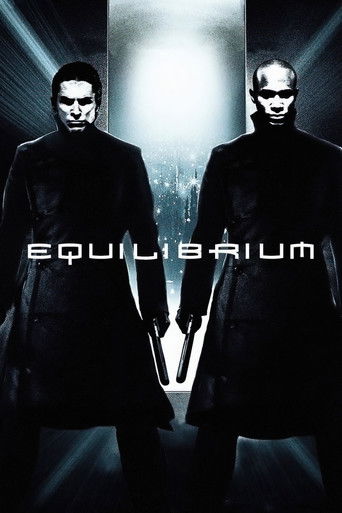
Equilibrium
In a dystopian future, a totalitarian regime maintains peace by subduing the populace with a drug, and displays of emotion are punishable by death. A man in charge of enforcing the law rises to overthrow the system.
Production
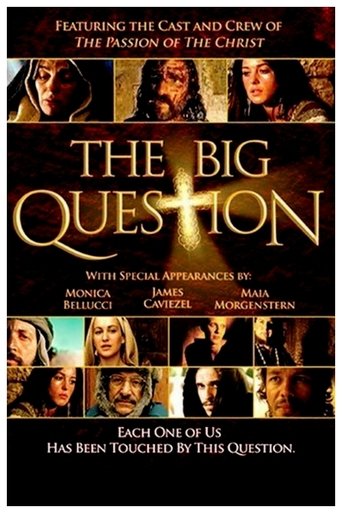
The Big Question
Although it was shot on the set of director Mel Gibson's controversial epic The Passion of the Christ, this thought-provoking documentary is not about the making of the movie. Rather, filmmakers Francesco Cabras and Alberto Molinari delve into the nature of divinity and spiritual beliefs through revealing interviews with Gibson and members of his cast and crew -- including stars Jim Caviezel and Monica Bellucci.
The Akram Tree
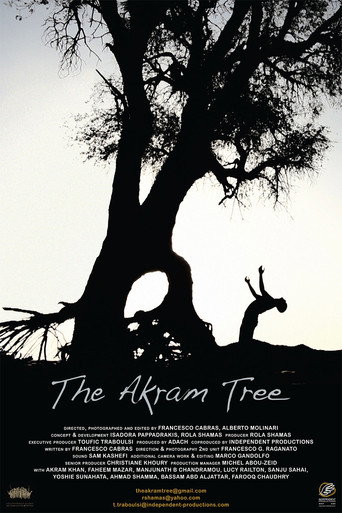
The Akram Tree is a journey through the personal and professional world of the british-bangladeshi coreographer and dancer Akram Khan. My intelligence is in my body says Akram himself, a body built by acute observations of the reality, legends, and unceasing work here well represented by Gnosis, a pièce realized in collaboration with seven artists expressely discovered in different parts of the world. These traditions and experimentations from India, Japan, Pakistan, England, Egypt, Iraq and Bangladesh collaborate together to create a work between classic indian kathak and contemporary dance. The film portrays the story of this peculiar human and artistic adventure often transcending the narration for the sake of a more visionary look influenced by the location where the documentary has been shot: the futuristic and conflictive city of Abu Dhabi with its desertic and metaphysical surroundings.
The Akram Tree
The Akram Tree is a journey through the personal and professional world of the british-bangladeshi coreographer and dancer Akram Khan. My intelligence is in my body says Akram himself, a body built by acute observations of the reality, legends, and unceasing work here well represented by Gnosis, a pièce realized in collaboration with seven artists expressely discovered in different parts of the world. These traditions and experimentations from India, Japan, Pakistan, England, Egypt, Iraq and Bangladesh collaborate together to create a work between classic indian kathak and contemporary dance. The film portrays the story of this peculiar human and artistic adventure often transcending the narration for the sake of a more visionary look influenced by the location where the documentary has been shot: the futuristic and conflictive city of Abu Dhabi with its desertic and metaphysical surroundings.
The Akram Tree
The Akram Tree is a journey through the personal and professional world of the british-bangladeshi coreographer and dancer Akram Khan. My intelligence is in my body says Akram himself, a body built by acute observations of the reality, legends, and unceasing work here well represented by Gnosis, a pièce realized in collaboration with seven artists expressely discovered in different parts of the world. These traditions and experimentations from India, Japan, Pakistan, England, Egypt, Iraq and Bangladesh collaborate together to create a work between classic indian kathak and contemporary dance. The film portrays the story of this peculiar human and artistic adventure often transcending the narration for the sake of a more visionary look influenced by the location where the documentary has been shot: the futuristic and conflictive city of Abu Dhabi with its desertic and metaphysical surroundings.
The Akram Tree
The Akram Tree is a journey through the personal and professional world of the british-bangladeshi coreographer and dancer Akram Khan. My intelligence is in my body says Akram himself, a body built by acute observations of the reality, legends, and unceasing work here well represented by Gnosis, a pièce realized in collaboration with seven artists expressely discovered in different parts of the world. These traditions and experimentations from India, Japan, Pakistan, England, Egypt, Iraq and Bangladesh collaborate together to create a work between classic indian kathak and contemporary dance. The film portrays the story of this peculiar human and artistic adventure often transcending the narration for the sake of a more visionary look influenced by the location where the documentary has been shot: the futuristic and conflictive city of Abu Dhabi with its desertic and metaphysical surroundings.
The Akram Tree
The Akram Tree is a journey through the personal and professional world of the british-bangladeshi coreographer and dancer Akram Khan. My intelligence is in my body says Akram himself, a body built by acute observations of the reality, legends, and unceasing work here well represented by Gnosis, a pièce realized in collaboration with seven artists expressely discovered in different parts of the world. These traditions and experimentations from India, Japan, Pakistan, England, Egypt, Iraq and Bangladesh collaborate together to create a work between classic indian kathak and contemporary dance. The film portrays the story of this peculiar human and artistic adventure often transcending the narration for the sake of a more visionary look influenced by the location where the documentary has been shot: the futuristic and conflictive city of Abu Dhabi with its desertic and metaphysical surroundings.
Al Di Meola - Morocco Fantasia
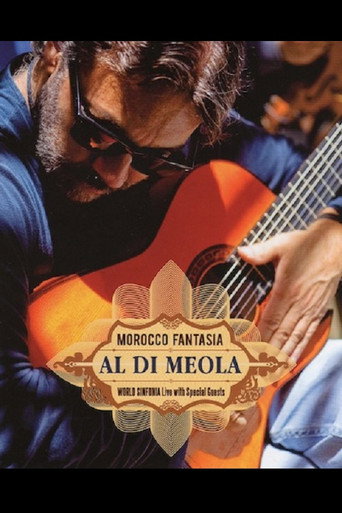
A high point of the Moroccan music festival is the Mawazine Festival in Rabat, Morocco. Al Di Meola's fantastic appearance in 2009 also represented a summit of different cultures and religions - Al Di Meola (guitar), Peo Alfonsi (2nd guitar), Fausto Beccalossie (accordion), Gumbo Ortiz (percussion), Victor Miranda (bass), Peter Kaszas (drums), and with special guests from Morocco, Said Chraibi (oud), Abdellah Meri (violin) and Tari Ben Ali (percussion). On his third trip to Morocco, the public gave this exceptional guitarist a rousing reception and showed its openness towards Western music.
Gallery