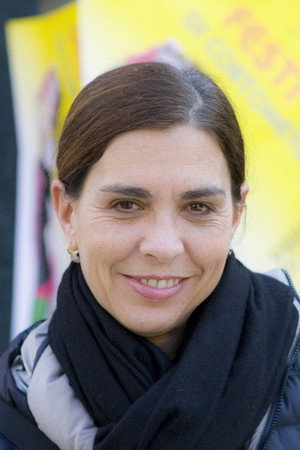
Francesca Comencini Movies, TV Shows, and Filmography
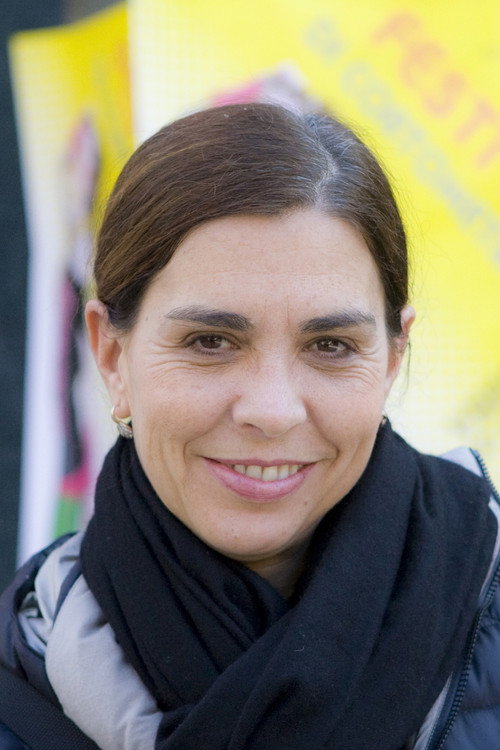
Francesca Comencini
Directing
Biography
Born in Rome in 1961, she is a director and screenwriter who studied philosophy at La Sapienza University before interrupting her studies to move to Paris, where she lived for eighteen years and where her three children were born. Her debut film, Pianoforte (1984), won the De Sica Award at the Venice International Film Festival. Since then, she has worked tirelessly across documentary and fiction, tackling themes that continually question reality and its conflicts, including Carlo Giuliani, Boy (2002), I Like to Work (Mobbing) (2004), In fabbrica (2007), and The White Space (2009). In the following years, he directed several episodes of TV series such as Gomorrah and Django. In 2024, he released The Time It Takes, an autobiographical film dedicated to his father, Luigi Comencini, which premiered at the Venice Film Festival and won the Nastri d’Argento awards for Best Film and Best Screenplay.
Filmography Movies
Acting
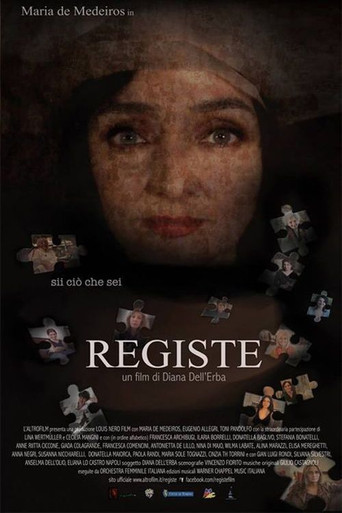
Women Directors
Registe, talking on a blade is an Italian documentary about the Italian Cinema signed by women and about the pioneer of the Silent Cinema Elvira Notari (1875-1946) plays by Maria De Medeiros. The directors interviewed are the most important Italian women directors: Lina Wertmüller, Cecilia Mangini, Francesca Archibugi, Francesca Comencini, Wilma Labate, Cinzia Th Torrini, Roberta Torre, Antonietta De Lillo, Giada Colagrande, Donatella Maiorca, Ilaria Borrelli and others.
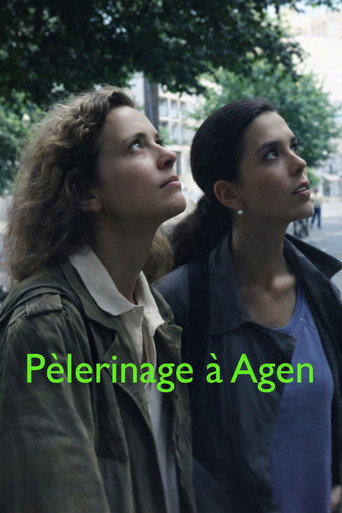
Pilgrimage to Agen
Christina and Francesca Comencini go on a pilgrimage to Agen, France to find the places where there Dad Luigi Comencini spent his childhood.
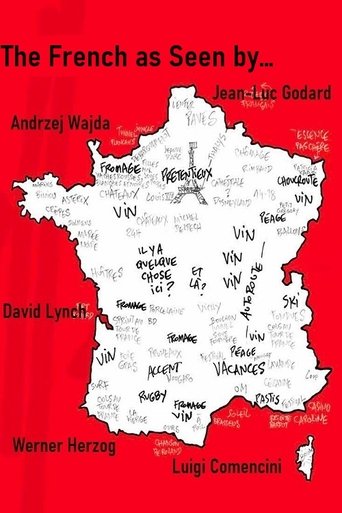
The French as Seen by…
In 1988, Figaro magazine asked a few famous directors to direct a series of short movies to celebrate the 10 years of the revue. The movies have been released for the French revolution bicentenary. Includes: Werner Herzog's Les Gaulois, David Lynch's The Cowboy and the Frenchman, Andrzej Wajda's Proust contre la déchéance, Luigi Comencini's Pèlerinage à Agen, Jean-Luc Godard's Le dernier mot.
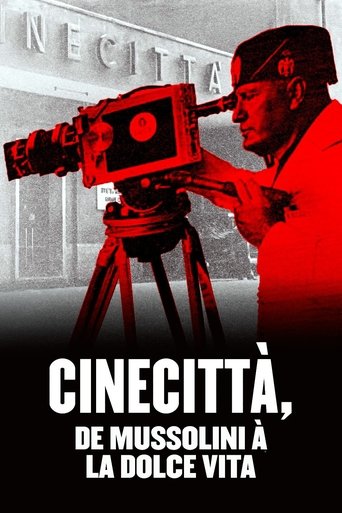
Cinecittà, de Mussolini à la Dolce Vita
Cinecitta is today known as the center of the Italian film industry. But there is a dark past. The film city was solemnly inaugurated in 1937 by Mussolini. Here, propaganda films would be produced to strengthen the dictator's position.
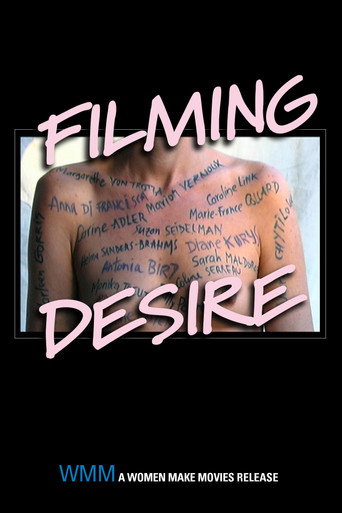
Filming Desire: A Journey Through Women’s Cinema
The film consists largely of a series of interviews with female filmmakers from several different countries and filmmaking eras. Some, such as Agnès Varda and Catherine Breillat (both from France), have been making films for decades in a conscious effort to provide an alternative to the male filmmaking model; others, such as Moufida Tlatli (Tunisia) and Carine Adler (England), are relative newcomers to directing, and their approaches seem more personal and less political. The film as a whole manages to cover some important topics in the feminist debate about film -- how does one construct a female gaze, how can one film nude bodies without objectifying the actors (of either sex), what constitutes a strong female role -- while also making it clear that “women’s film” comprises as many different approaches to filmmaking as there are female filmmakers.
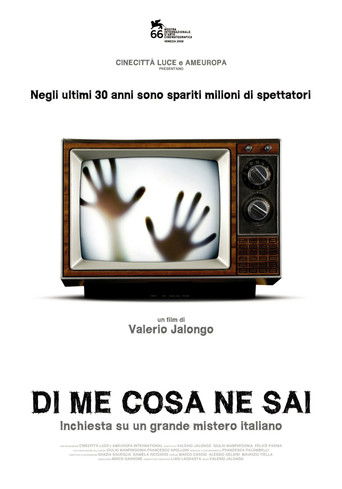
What Do You Know About Me
Until the 1970s, Italian cinema dominated the international scene, even competing with Hollywood. Then, in just a few years, came its rapid decline, the flight of our greatest producers, a crisis among the best writer-directors, the collapse of production. But what are the true causes and circumstances of this decline? In an attempt to provide an answer to this question, Di Me Cosa Ne Sai strives to depict this great cultural change. Begun as a loving examination of Italian cinema, the film transformed into a docu-drama that alternates between interviews with the great names of the past and fragments of cultural and political life of the last 30 years. It is a travel diary that shows Italy from north to south, through movie theatres; television-addicted kids; Berlusconi and Fellini; shopping centers; TV news editors; stories of impassioned film exhibitors and directors who fight for their films; and interviews with itinerant projectionists and great European directors.
Production
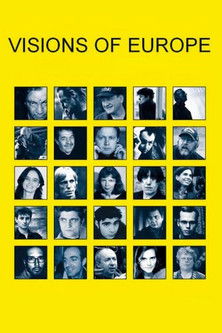
Visions of Europe
Twenty-five films from twenty-five European countries by twenty-five European directors.
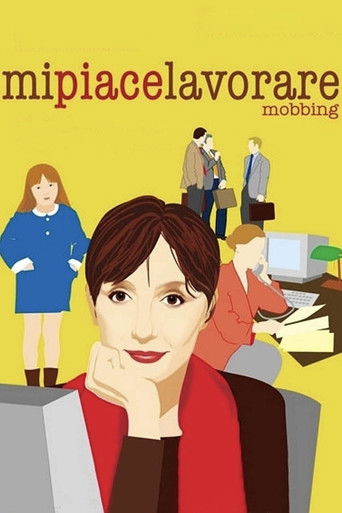
I Like to Work – Mobbing
A woman comes across the difficulties of modern work: to force her to resign from her job, her firm tries all the humiliation techniques known as "mobbing". The film is based upon real cases reported by Italian unions.
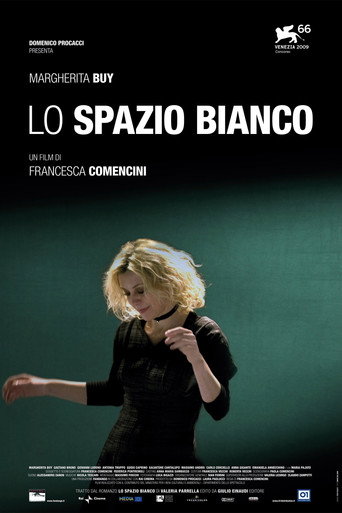
The White Space
An unexpected pregnancy and premature birth become a burden that Maria is unprepared for. Lacking control over events for the first time in her life, she retreats into an emotional space where she is alone, until the day arrives when she must learn to live again for the sake of her vulnerable child.
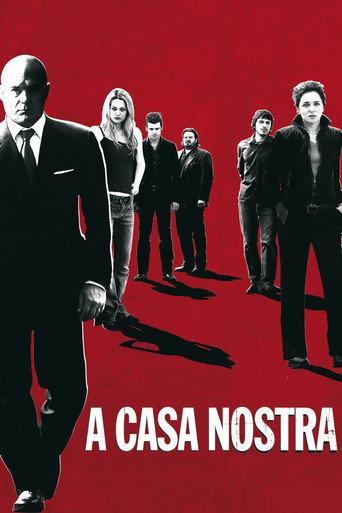
Our Country
Set in Milan, where people's lives are invisibly lead by money in its different shapes: too much, too little, stolen, earned, visible and even impalpable. The money flows from one story to the next, from one person to the other, becoming the engine of the film.Everything moves around two antagonist characters: Ugo and Rita. Ugo is a banker involved in a not really clean business. Rita, the Finance Police officer, is a strong and obstinate woman in charge of capturing Ugo. Other characters wander around them, with their weaknesses and fragility, their goodness, their evil and their contradictions. Characters meet, clash, love and hate each other, their lust for money becomes intense feelings.
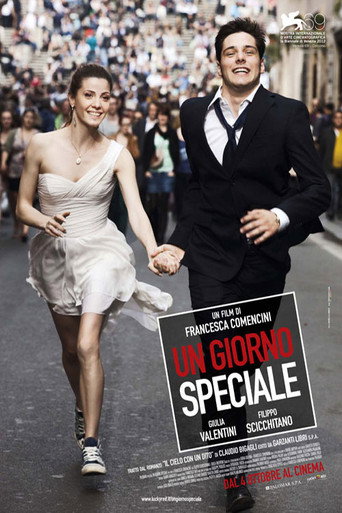
A Special Day
Gina and Marco are living in the suburbs of Rome. The two meet on a very special day: their first day at work. They have a future that awaits them and really seems at hand. Gina is about to realize her dream of becoming an actress, while Marco for the first time has found an opportunity that allows him to start dreaming: a job in a car rental company as a driver. They are enabled to know each other since his first duty is to drive Gina to an appointment, and given a delay, they have to share the whole day. This journey will take them from the periphery to the center of the city, will serve both to compare their experiences and think about a future that has already begun...
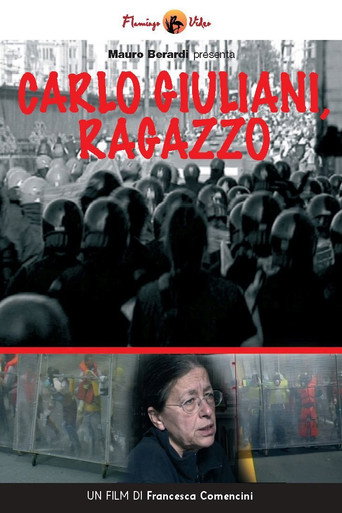
Carlo Giuliani, a Boy
The film recounts Carlo Giuliani’s day of July 20 and, parallel to it, the July 20 of the march of the ‘disobedients’, or the ‘white overalls’, among whose ranks Carlo died. An individual’s story is told in all its absolute concreteness, the friends he meets, the snack bar he goes to for a bite, the roll of scotch tape he picks up on the street; whereas a multitude’s story is told in all its epic tragedy, the night under the rain, the colossal preparation against the march, the advance behind shields, the attack of which the multitude was victim, the defense that gets organized.
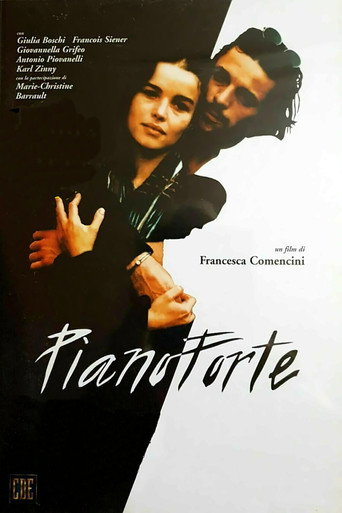
Pianoforte
Maria studies at the university while her boyfriend Paolo is an established journalist. Both are drug addicts. Maria and Paolo try to detox with the help of a specialized clinic but it doesn't last long: back from a trip during which they proved to themselves that they could resist without drugs, both fall victim to addiction again. The consequences are not long in coming.
Pianoforte
Maria studies at the university while her boyfriend Paolo is an established journalist. Both are drug addicts. Maria and Paolo try to detox with the help of a specialized clinic but it doesn't last long: back from a trip during which they proved to themselves that they could resist without drugs, both fall victim to addiction again. The consequences are not long in coming.
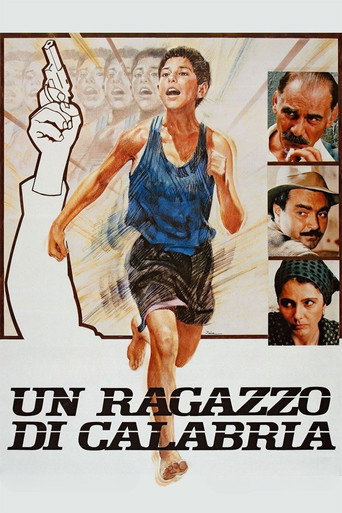
A Boy from Calabria
Set in 1960, the year of the Rome Olympics, a 13 year-old boy with aspirations to become an athlete befriends an ageing, disabled bus driver who understands his ambitions.
In fabbrica
The movie revolves around the factory worker figure evolution from post-WWII in Italy, with the emigration from southern to northern regions, the years of economic boom, the strikes, the riots and the infamous march of the 40000 in Turin in 1980.
Gallery