Frances Gifford Movies, TV Shows, and Filmography

Frances Gifford
Acting
Biography
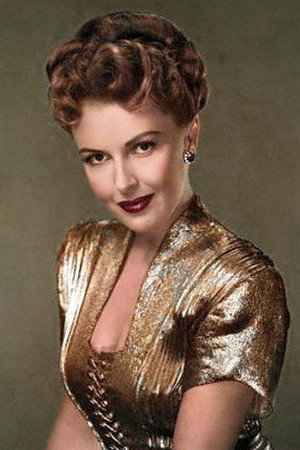
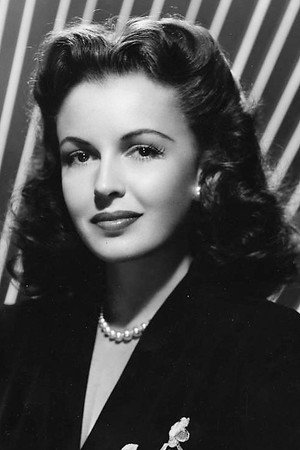
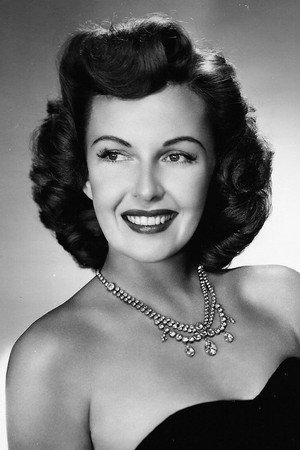
Frances Gifford had a somewhat unorthodox introduction to the movie business. Born and raised in Long Beach, California, she had no ambition to be an actress, and in fact had applied to UCLA when, at age 16, she and a friend got to visit the Samuel Goldwyn Studios, where they watched a movie being shot. A studio exec saw her and asked if she would take a screen test. She did, the studio was impressed with the result and put her under contract. Nothing much came of it, however, other than bit parts, and she moved to RKO. Nothing much happened there, either. She had married actor James Dunn and decided to retire, which she did, in 1938. Off the screen for almost two years, she got a small part in Mr. Smith Goes to Washington (1939), and her career began to revive. She was signed by Paramount, which soon loaned her to Republic, where she made the film she is probably most remembered for: the serial Jungle Girl (1941), based on an Edgar Rice Burroughs story. Unfortunately, her career never really took off, and she bounced around among several studios. In 1948 she was involved in an auto accident in which she received severe head injuries. Although she seemed to recover physically, her career took a nosedive, and she made her last film in 1953. In 1958 newspaper stories reported that as a result of the injuries sustained in the accident, she was admitted to a California state mental hospital. Nothing further was heard from her or about her until 1983, when a writer for a film magazine found her in Pasadena. She had apparently fully overcome her physical and mental problems and was working for the city library. She died of emphysema in Pasadena in 1994.
Filmography Movies
Acting
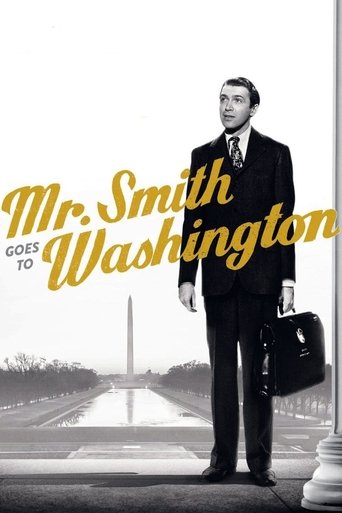
Mr. Smith Goes to Washington
After the death of a United States Senator, idealistic Jefferson Smith is appointed as his replacement in Washington. Soon, the naive and earnest new senator has to battle political corruption.
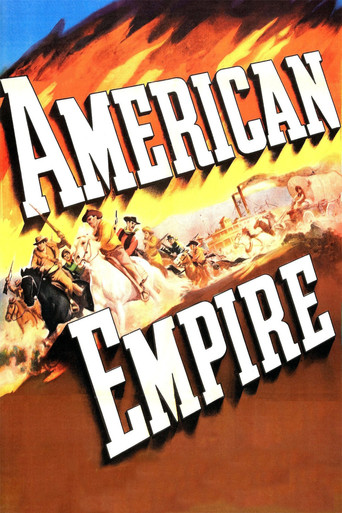
American Empire
Richard Dix as Dan Taylor and Preston S. Foster as Paxton Bryce are two longtime friends seeking their fortune in Texas after the war. The two men decide, not without problems, to establish a cattle empire. Paxton becoming too ambitious, distances himself from Dan and Abby, Paxton's wife. It will only be after a personal tragedy that he will come back to his senses.
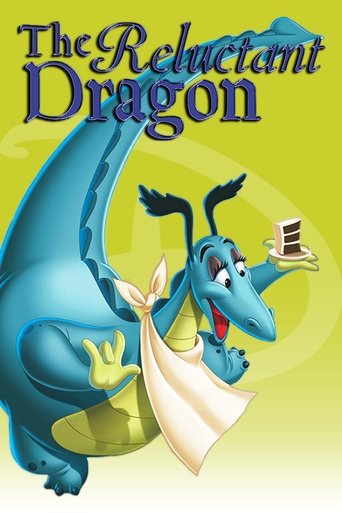
The Reluctant Dragon
Humorist Robert Benchley attempts to find Walt Disney to ask him to adapt a short story about a gentle dragon who would rather recite poetry than be ferocious. Along the way, he is given a tour of Walt Disney Studios, and learns about the animation process.
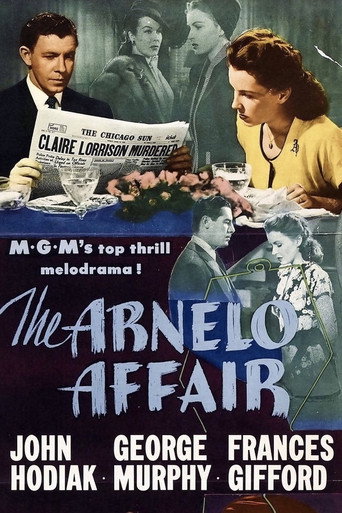
The Arnelo Affair
A neglected wife gets mixed up with an hypnotic charmer and murder.
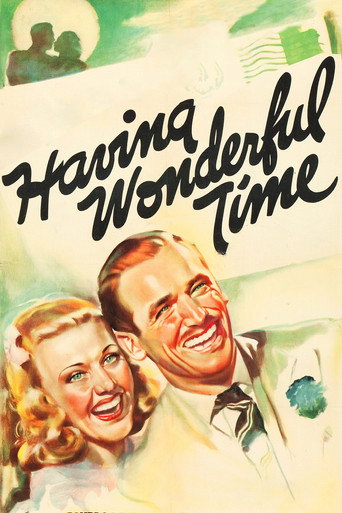
Having Wonderful Time
Teddy Shaw, a bored New York office girl, goes to a camp in the Catskill Mountains for rest and finds Chick Kirkland.
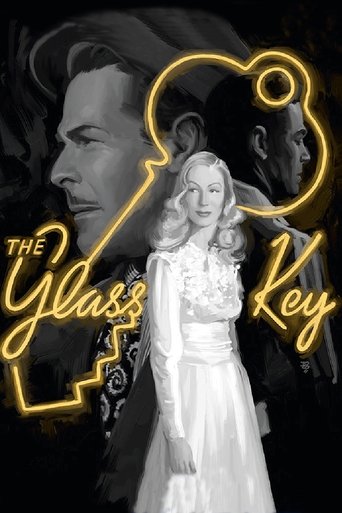
The Glass Key
A crooked politician finds himself being accused of murder by a gangster from whom he refused help during a re-election campaign.
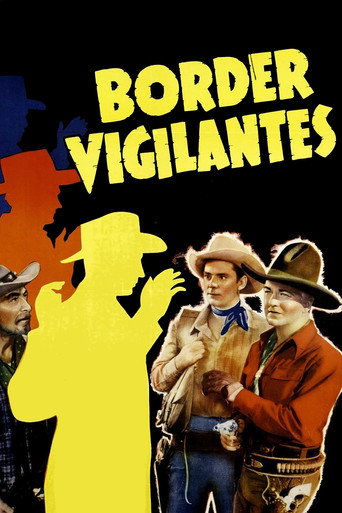
Border Vigilantes
A town bedeviled with outlaws sends for Hoppy, Lucky and California after their own vigilante committee fails to solve the towns problems. Hoppy discovers that the bad guys are led by the town boss, and so are the vigilantes.
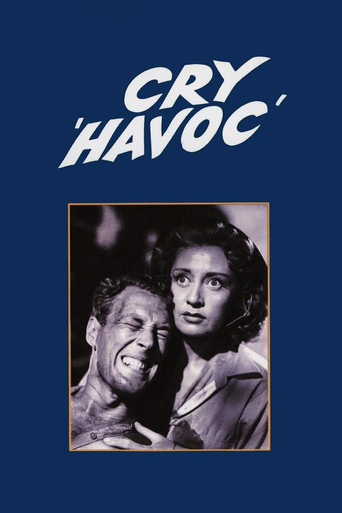
Cry 'Havoc'
The Army nurses on Bataan need help badly, but when it arrives, it sure isn't what they expected. A motley crew, including a Southern belle, a waitress, and a stripper, show up. Many conflicts arise among these women who are thrown together in what is a desperate and ultimately hopeless situation.
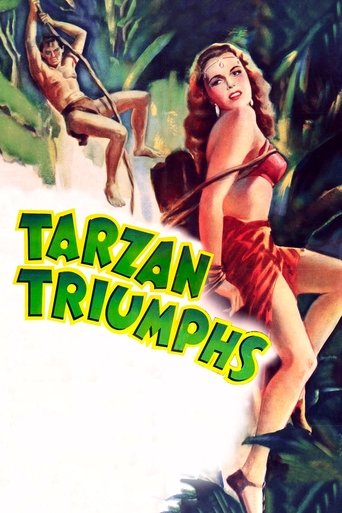
Tarzan Triumphs
Zandra, white princess of a lost civilization, comes to Tarzan for help when Nazis invade the jungle with plans to conquer her people and take their wealth. Tarzan, the isolationist, becomes involved after the Nazis shoot at him and capture Boy: "Now Tarzan make war!"
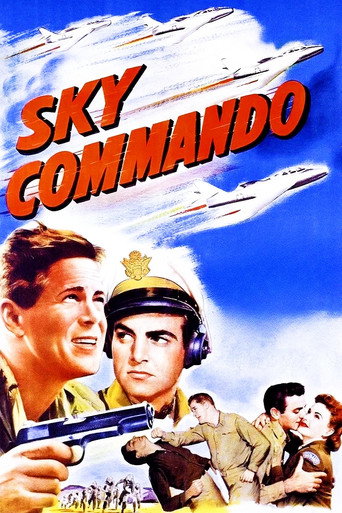
Sky Commando
Colonel Ed Wyatt is regarded by pilots under his command as being a ruthless disciplinarian. His co-pilot, Lt. Hobson Lee, and Jo McWethy, a war correspondent assigned to the squadron become more friendly than meets Wyatt's approval. When Wyatt's plane is forced down behind enemy lines, he orders his crew to proceed to the American lines with the vital film they have shot, while he remains behind to hold off the enemy.
Gallery