Françoise Giroud Movies, TV Shows, and Filmography
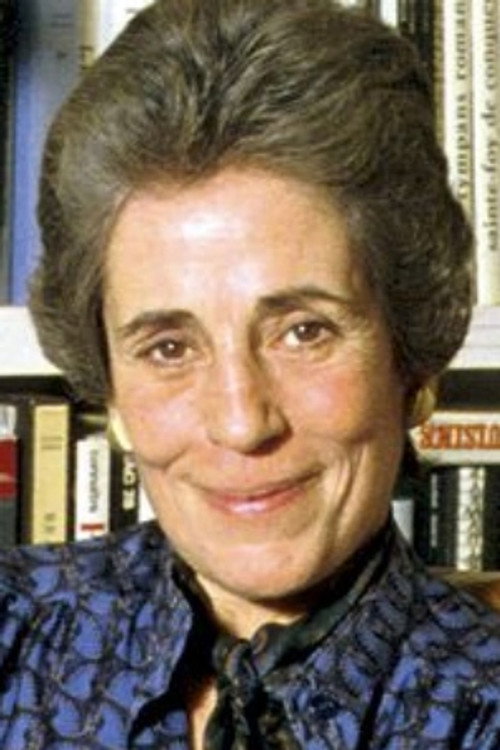
Françoise Giroud
Writing
Biography
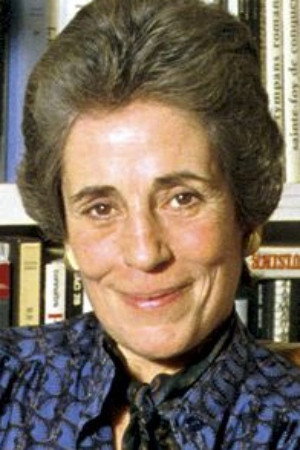
Françoise Giroud (born Lea France Gourdji; 21 September 1916 – 19 January 2003) was a French journalist, screenwriter, writer, and politician. Giroud was born in Lausanne, Switzerland, to immigrant Sephardi Turkish Jewish parents; her father was Salih Gourdji Al Baghdadi, Director of the Agence Télégraphique Ottomane in Geneva. She was educated at the Collège de Groslay and the Lycée Molière in Paris. She did not graduate from university. She married and had two children, a son (who died before her) and a daughter. Giroud's work in cinema began with director Marc Allégret as a script-girl on his 1932 adaptation of Marcel Pagnol's play Fanny. In 1936, she worked with Jean Renoir on the set of Grand Illusion. She later wrote screenplays, 30 books (both fiction and non-fiction), and wrote newspaper columns. She was the editor of Elle magazine from 1946 (shortly after it was founded) until 1953, when she and her then-partner Jean-Jacques Servan-Schreiber founded the newsmagazine L'Express. She edited L'Express until 1971, then was its director until 1974, when she began her political career. In 1974, President Valéry Giscard d'Estaing nominated Giroud to the position of Secretary of State for women's rights, which she held from 16 July 1974 until 27 August 1976, when she was appointed to the position of Minister of Culture. She remained in that position until March 1977, for a total service of 32 months, serving in the cabinets of prime ministers Jacques Chirac and Raymond Barre. She was a member of the centrist Radical Party. Giroud often said that her goal was to get France "out of its rut", contrasting France with the dynamism and optimism she saw in the United States. On her first visit to New York City soon after World War 2 ended, she had been struck by "the degree of optimism, the exhilaration" she had found there. That view stayed with her: "There is a strength in the United States that we in Europe constantly tend to underestimate." Giroud gave the commencement address at the University of Michigan on 1 May 1976. Giroud received the Légion d'honneur. She led Action Against Hunger, a humanitarian aid organization, from 1984 to 1988. From 1989 to 1991, she was president of a commission to improve cinema-ticket sales. She was a literary critic for the weekly Le Journal du Dimanche, and she contributed a weekly column to Le Nouvel Observateur from 1983 until her death. Giroud died at the American Hospital of Paris on 21 September 2003 while being treated for a head wound incurred in a fall. A special issue of L'Express covered Giroud's death. It stated: "Women everywhere have lost something. Ms. Giroud defended them so intelligently and so strongly." Source: Article "Françoise Giroud" from Wikipedia in English, licensed under CC-BY-SA 3.0.
Filmography Movies
Acting

Entretien politique : Histoire et mode d'emploi
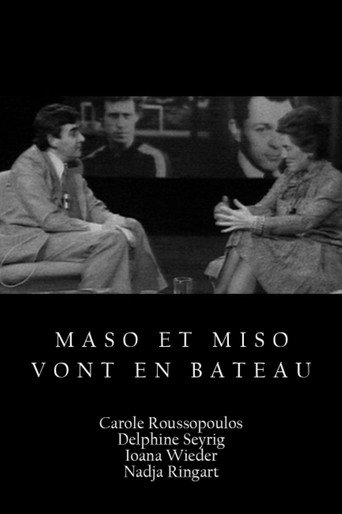
Maso and Miso Go Boating
The year 1975 is declared “year of the woman”. On this occasion Bernard Pivot invited Françoise Giroud on television, then Secretary of State for Women. Faced with statements, a group of women filmmakers parody the issues in a provocative way.
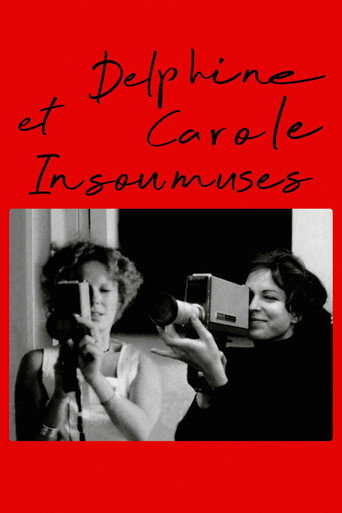
Delphine and Carole
In the 70s, actress Delphine Seyrig and director Carole Roussopoulos, both militant feminists, were the pioneers of video activism in France. They documented the demonstrations of French feminists and used the new technologies to counter the poor representation of women in the public media.
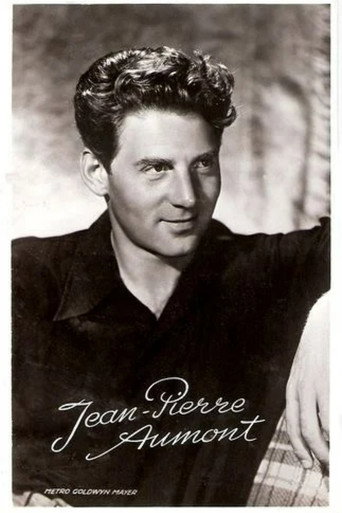
Jean-Pierre Aumont, charme et fou-rires
A doumentary of the life and career of French actor, Jean-Pierre Aumont.
Production
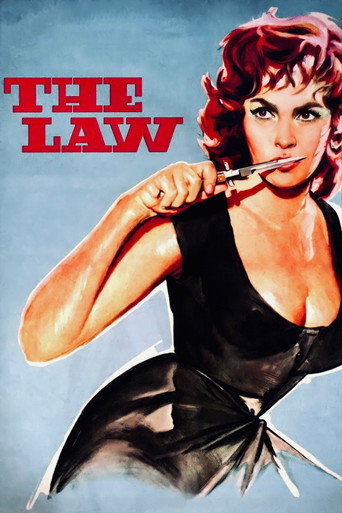
The Law
A gorgeous housekeeper turns the tables on the men in a small Mediterranean coastal town by using their own vicious drinking game.
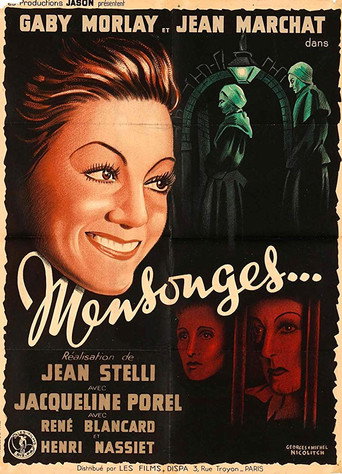
Mensonges
Marie Leroux, who is married to Charles, an honest, understanding country doctor, lives an uneventful, rather monotonous life.Her husband is a kind man but he does not give her any thrill or excitement. One day, Marie meets Olivier Dumas-Beaulieu, a handsome industrialist, who is in the process of leaving his fiancée Corinne, despite her being pregnant by him. It is easy for the confirmed womanizer he is, to seduce Marie, who very foolishly thinks she has found true love. Shortly afterward Charles is shot dead by Olivier while the two men were having a quarrel about Marie. The latter, who finds the corpse, believes her husband has committed suicide. Which is not the police's opinion and Marie is arrested and condemned to ten years in prison. Annihilated by such unfair treatment and, worse, by the separation from her beloved eight-year-old daughter, she still manages to survive and to serve her sentence.
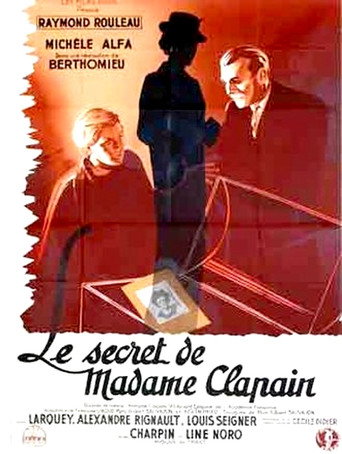
The Secret of Madame Clapain
Madame Clapain dies in dubious circumstances at the home of the Cadifon ladies, of which she was a tenant. A friendly inspector and Thérèse Cadifon each carry out their own investigation.
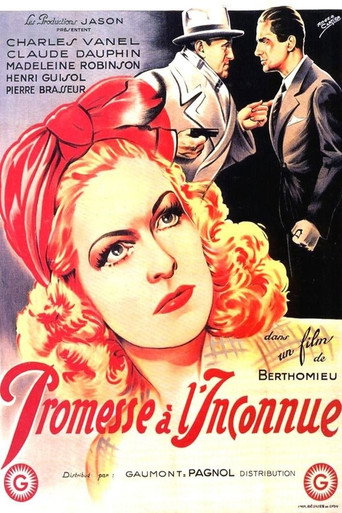
Promise to the Unknown One
A young woman is in love with a young writer, winner of the Prix Goncourt. Married to a banker, she must face her husband's anger and the blackmail of a former suitor.
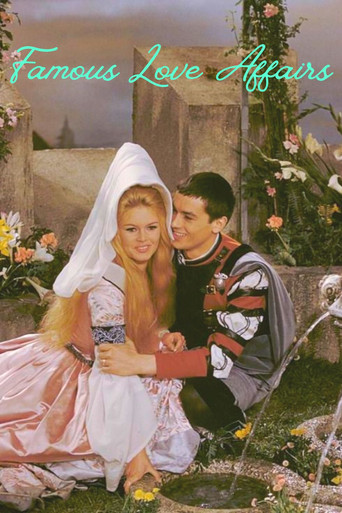
Famous Love Affairs
Anthology of four love stories that have some historical basis.
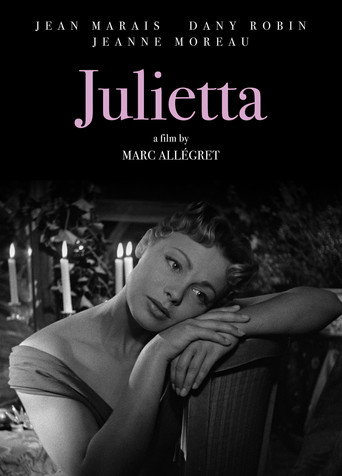
Julietta
Julietta Valendor is in love with lawyer André Landrecourt. He is unaware of her feelings. He puts her up one day when he has his fiancée, Rosie, staying with him... Based on a novel of Louise de Vilmorin.
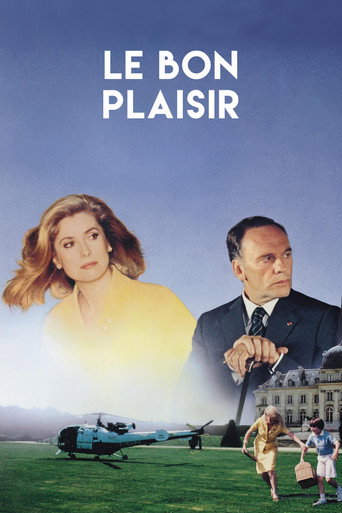
Le Bon Plaisir
Claire's handbag is stolen. It contained a letter written ten years previously by the man who is now the French President. In the letter, he urges his pregnant mistress to have an abortion. Claire immediately alerts the President's men. From that moment, the machinery of state swings into action.
Le Bon Plaisir
Claire's handbag is stolen. It contained a letter written ten years previously by the man who is now the French President. In the letter, he urges his pregnant mistress to have an abortion. Claire immediately alerts the President's men. From that moment, the machinery of state swings into action.
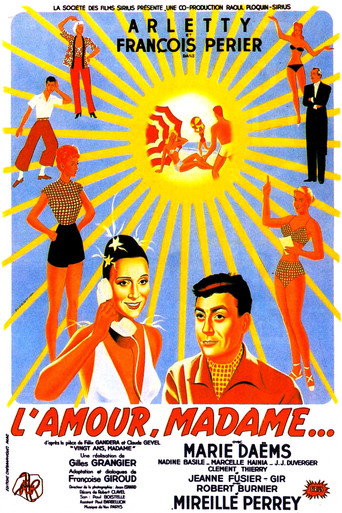
Love, Madame
Madame Célerier is determined to marry off her son François to a rich and haughty woman but François has other plans.
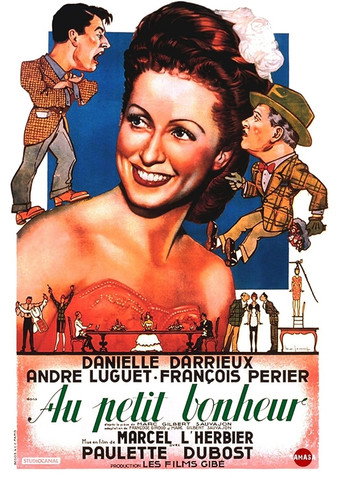
Happy Go Lucky
After lovers fight, the boy leaves for the Riviera. On her way to rejoin him, the girl meets a distinguished but embittered novelist and decides to spend time comforting him.Which is not going to help when she returns to her boyfriend.
Gallery