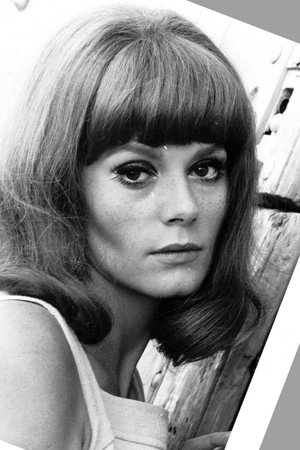
Françoise Dorléac Movies, TV Shows, and Filmography
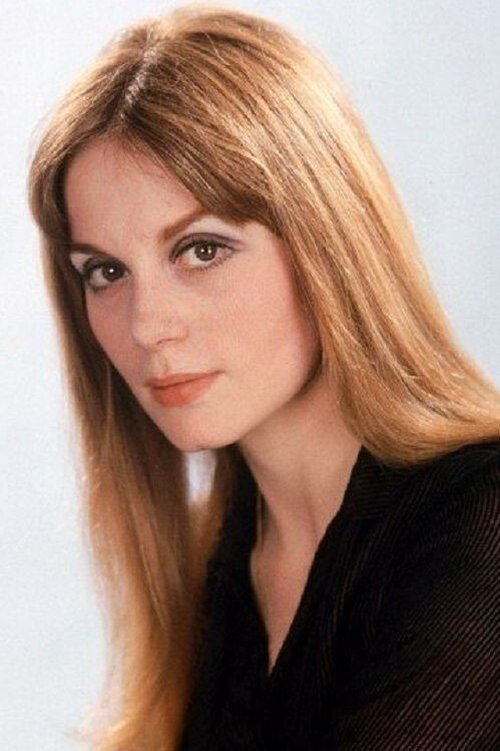
Françoise Dorléac
Acting
Biography
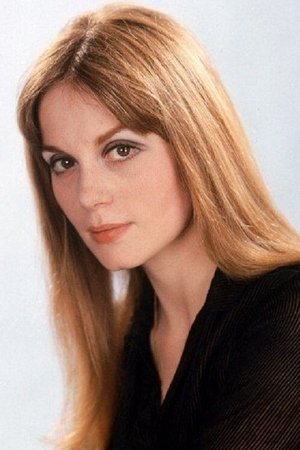
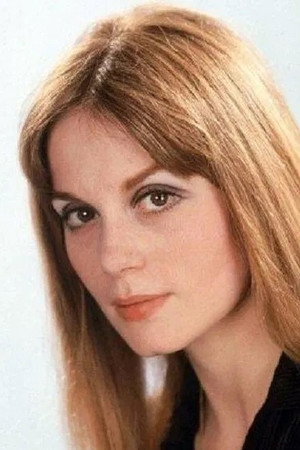
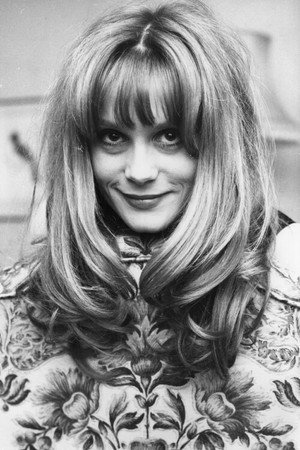
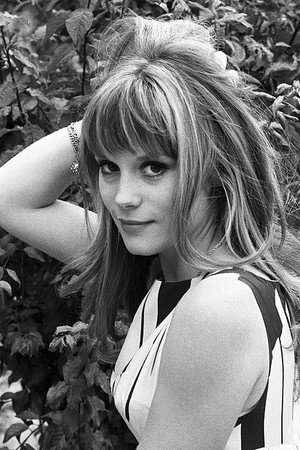
Françoise Paulette Louise Dorléac (21 March 1942 – 26 June 1967) was a French actress. She was the elder sister of Catherine Deneuve, with whom she starred in the musical comedy film, The Young Girls of Rochefort (1967). Her other films include Philippe de Broca's That Man from Rio, François Truffaut's The Soft Skin (both 1964), Val Guest's Where the Spies Are (1965), and Roman Polanski's Cul-de-sac (1966). Dorléac was the daughter of screen actors Maurice Dorléac and Renée Simonot. Slim, fair and blonde, she modeled for Dior and then made her film debut in The Wolves in the Sheepfold (1960), directed by Hervé Bromberger. She went on to appear in The Door Slams (1960) with Dany Saval and her sister Catherine Deneuve. Dorléac had a small role in Tonight or Never (1961) with Anna Karina for director Michel Deville, The Girl with the Golden Eyes (1961) with Marie Laforêt, All the Gold in the World (1961) with Bourvil, and Adorable Liar (1961) from director Deville. Dorléac was Jean-Pierre Cassel's leading lady in The Dance (1962) and had one of the leads in a TV movie, Les trois chapeaux claques (1962), directed by Jean-Pierre Marchand. She was reunited with Cassel in Arsène Lupin contre Arsène Lupin (1962) and was one of many stars of the television movie Teuf-teuf (1963). Dorléac leapt to international stardom with the female lead in That Man from Rio (1964) starring Jean-Paul Belmondo and directed by Philippe de Broca. She followed it with The Soft Skin (1964) directed by François Truffaut. She was in The Gentle Art of Seduction (1964) with Belmondo and Jean-Paul Brialy, with her sister in a support part. Dorléac was one of several French stars in Circle of Love (1964) directed by Roger Vadim, and appeared in a TV show, Les petites demoiselles (1964), directed by Deville and starring De Broca. She also appeared in the comedy films, Arsène Lupin contre Arsène Lupin (1962) opposite Jean-Claude Brialy, and Male Hunt (1964), with Belmondo and her sister. That Man from Rio and Soft Skin were seen widely internationally and Dorléac received an offer to play the female lead in an expensive Hollywood financed epic, Genghis Khan (1965). She was David Niven's love interest in a spy film at MGM, Where the Spies Are (1966). Dorléac appeared as the adulterous wife in Roman Polanski's black comedy Cul-de-sac (1966), shot in Britain. She returned to France to star in a TV adaption of the Prosper Mérimée novel Julie de Chaverny ou la Double Méprise (1966) directed by Marchand. Then she joined Gene Kelly and her sister Catherine, who was a cinematic star by this time, playing starstruck singing twins in The Young Girls of Rochefort (1967), an homage to Hollywood musicals. Her final film role was the female lead in Billion Dollar Brain (1967) opposite Michael Caine, who played spy Harry Palmer. Dorléac's parents were protective of her and her siblings, and well into adulthood she shared a bunk bed with her sister Catherine Deneuve in the family home, to which she regularly returned, according to Roger Vadim. Dorléac was on the brink of international stardom when she died in a traffic accident on 26 June 1967, aged 25. Source: Article "Françoise Dorléac" from Wikipedia in English, licensed under CC-BY-SA.
Filmography Movies
Acting
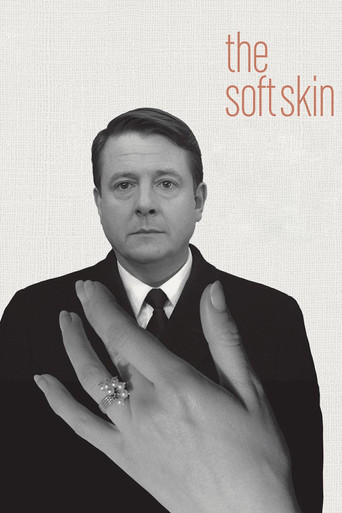
The Soft Skin
Pierre Lachenay is a well-known publisher and lecturer, married to Franca and father of Sabine. He starts a love affair with air hostess Nicole, which Pierre is hiding, but he cannot stay away from her.
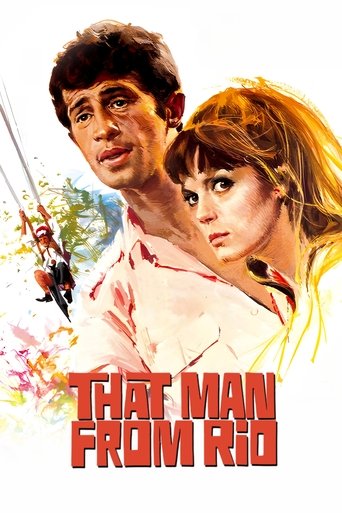
That Man from Rio
French military man Adrien Dufourquet gets an eight-day furlough to visit his fiancée, Agnès. But when he arrives in Paris, he learns that her late father's partner, museum curator Professor Catalan, has just been kidnapped by a group of Amazon tribesmen who have also stolen a priceless statue from the museum. Adrien and Agnès pursue the kidnappers to Brazil, where they learn that the statue is the key to a hidden Amazon treasure.
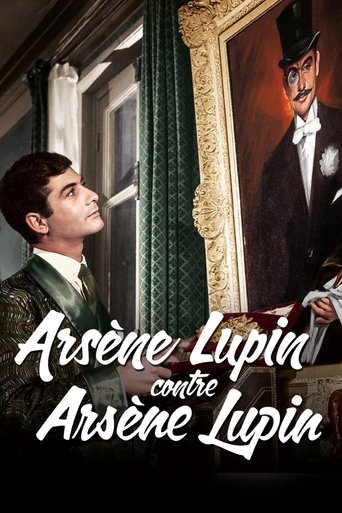
Arsène Lupin vs. Arsène Lupin
André Laroche, an industrialist, has just passed away. Face to his grave, as he is being buried, Anne de Vierne, the wife of a magistrate, confesses to her son François that Laroche was in fact Lupin and that he is his natural child. But he is not the gentleman thief's only offspring! Lupin had indeed another son by a housemaid, Gérard Dagmar, a dancer, magician and - occasionally - burglar. Which complicates the task of François who, to respect the last wishes of the testator, has gone in search of the treasure of Poldavia. For he keeps finding Gérard on his way and his efforts are constantly thwarted by his half-brother. Will Gérard prevent François from becoming the worthy successor to their father or will the two young men decide to join forces? That is the question.
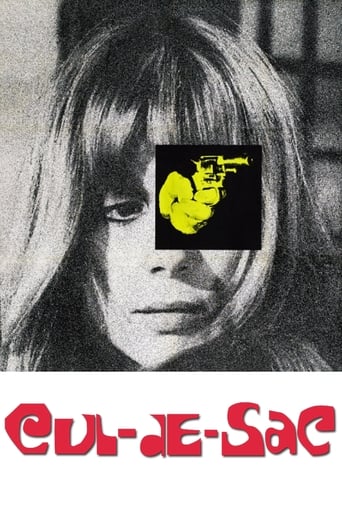
Cul-de-sac
On the run and in search of help, two wounded gangsters find refuge in the secluded castle of a feeble man and his wife; however, under the point of a gun, nothing is what it seems.

Genghis Khan
This is the story of the shy Mongol boy Temujin who,during the 13th century, becomes the fearless Mongol leader Genghis Khan that unites all Mongol tribes and conquers India,China,Persia,Korea and parts of Rusia,Europe and Middle-East.
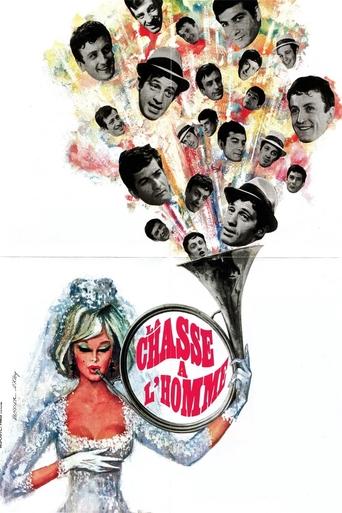
Male Hunt
A few stories about marriage and its problems. Antoine is about to marry Gisèle. His friend Julien, an established bachelor, desperately tries to convince him not to do it, recounting his own painful experiences.
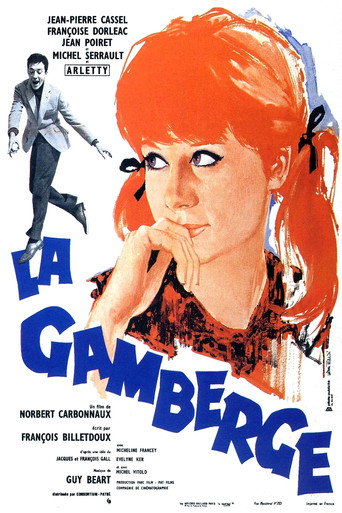
The Dance
The Dance is a 1962 French comedy film directed by Norbert Carbonnaux and starring Jean-Pierre Cassel, Françoise Dorléac and Arletty. The film is based on the French comic strip 13 rue de l'Espoir.
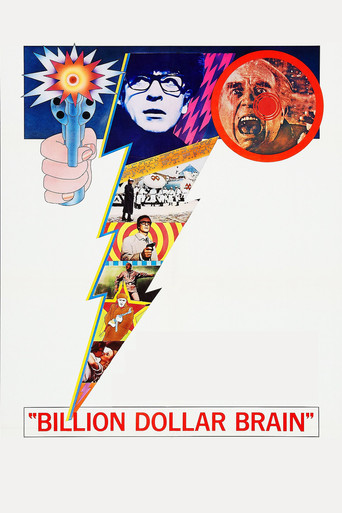
Billion Dollar Brain
A former British spy stumbles into in a plot to overthrow Communism with the help of a supercomputer. But who is working for whom?
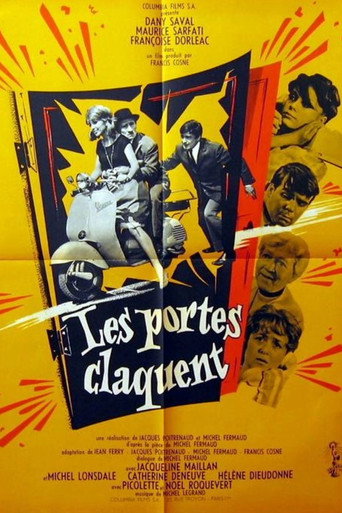
The Door Slams
Between a whimsical wife, two insolent girls, a son who is engaged in strange chemical experiments and a mother-in-law who is being courted by a rich English lord, André Costais, an intractable industrialist, is struggling to impose his authority on his family.
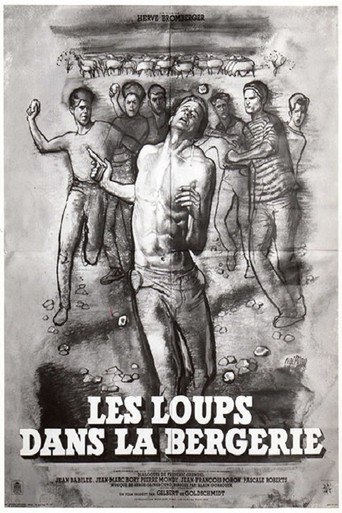
The Wolves in the Sheepfold
Three gangsters on the run break into a rehabilitation center for delinquent teenagers run by the couple Roger and Irène. The residents are divided over how to deal with the three bad guys, who want to take over the home.
Gallery