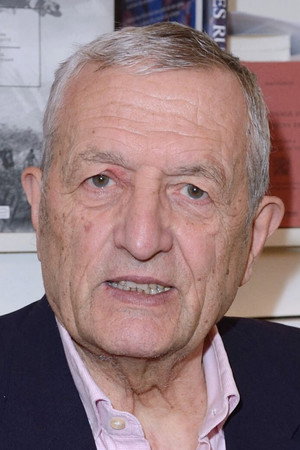
François Léotard Movies, TV Shows, and Filmography
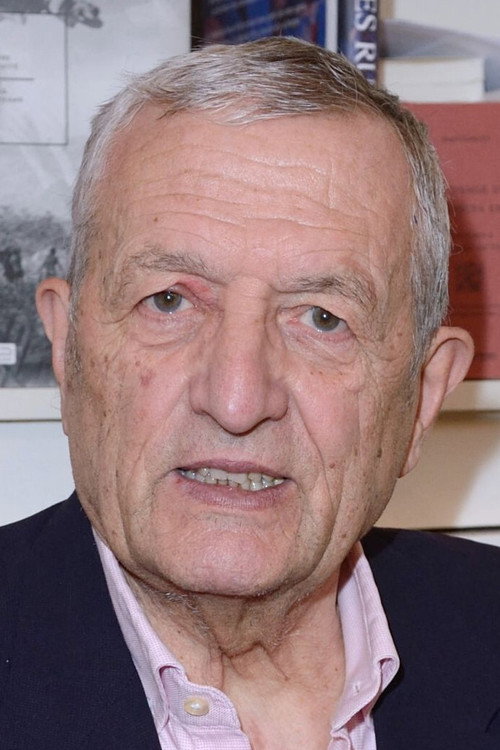
François Léotard
Acting
Biography
François Gérard Marie Léotard (26 March 1942 – 25 April 2023) was a French politician. Singer and actor Philippe Léotard was his brother. A member of the Republican Party, the liberal-conservative component of the Union for French Democracy (UDF), he appeared in the foreground of the political scene in the 1980s. He led a new generation of right-wing politicians, the "renovationmen", who opposed the old right-wing leaders Jacques Chirac and Valéry Giscard d'Estaing. In 1981, he was selected to be one of the first Young Leaders of the French-American Foundation. His political career started with being elected as the mayor of Fréjus in 1977. He served two terms as the deputy of Var. As culture minister from 1986 to 1988,[3] he sold the main public TV channel TF1. He returned to the French cabinet as defense minister, from 1993 to 1995. Supporting the candidacy of Edouard Balladur in the 1995 presidential election, he was dismissed after Chirac's election. Elected president of the UDF in 1996, he could not prevent the split of this confederation two years later with Alain Madelin's secession. This and the party's poor showing in the 1998 regional elections prompted his resignation. After a mission in Macedonia in 2001 as representative of the European Union, he retired from politics. In 2003, he created together with other prominent European personalities the Medbridge Strategy Center, whose goal is to promote dialogue and mutual understanding between Europe and the Middle East. He later authored several books. Léotard died in Fréjus on 25 April 2023, at age 81. Source: Article "François Léotard" from Wikipedia in English, licensed under CC-BY-SA.
Filmography Movies
Acting
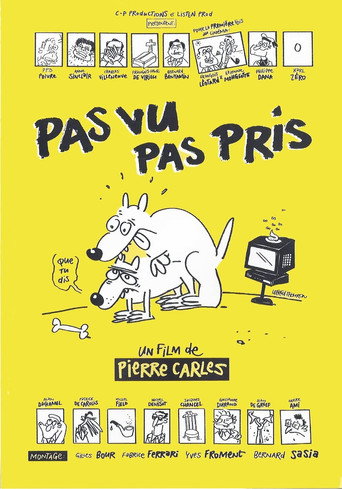
Pas vu, pas pris
"Pas vu, pas pris" starts with a subject filmed 2 years ago ; ordered then forbidden to broadcasting by Canal + : it was "Pas vu à la télé". Bernard Benyamin, Henri de Virieux, Patrick de Carolis, Anne Sinclair, Charles Villeneuve (amongst others) appear before the candid camera of Pierre Carles, for once subjected to an investigation that concerns their profession. After proclaiming that there is no taboo subject on television, they discover a pirate document showing Étienne Moujeotte and François Léotard in a business discussion about the destinies of TF1. Question asked : would they have agreed to broadcast this document and if not, why not ? The investigation itself is objectively searching : anything can be said on TV except one thing, the more or less close collusion of journalists and the political powers. Pierre Carles gives us a sharp reflection on the scope of this "fourth power" that the media have become, and on the compromises of those who are its masters.
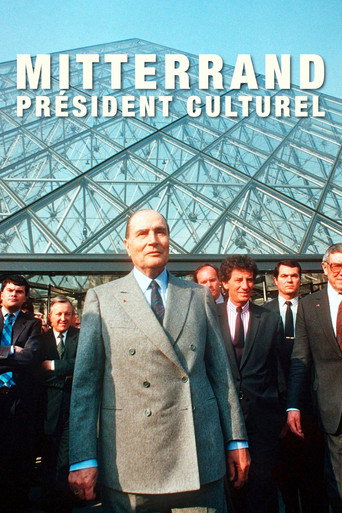
Mitterrand, président culturel
On the occasion of the fourty years anniversary of François Mitterand's election, a look back to the relationship between the President and artists, from admiration to manipulation.
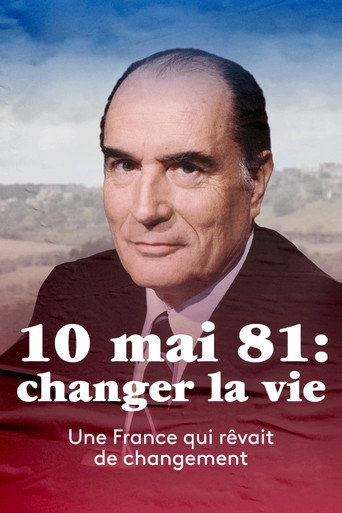
10 mai 1981 : Changer la vie ?
Fourty years ago, in May 1981, with François Mitterrand's election, some people were letting themselves dream about a better life while others were predicting the coming of soviet tanks upon the Champs-Élysées. If we gladly remember the turning point of austerity in 83, there were also the wage rises, the fifth week of paid leave, the abolition of death penalty, the decriminalisation of homosexuality, or the advent of independent radio stations. Rare archives and accounts by those who were at the heart of this story give an overview of it and shed light on lesser-known aspects.
Gallery