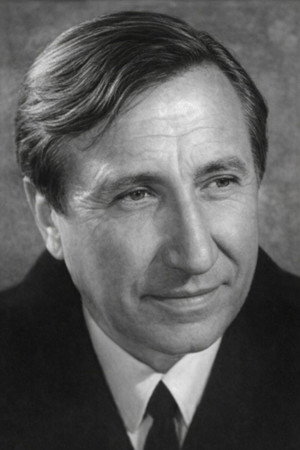
François Darbon Movies, TV Shows, and Filmography
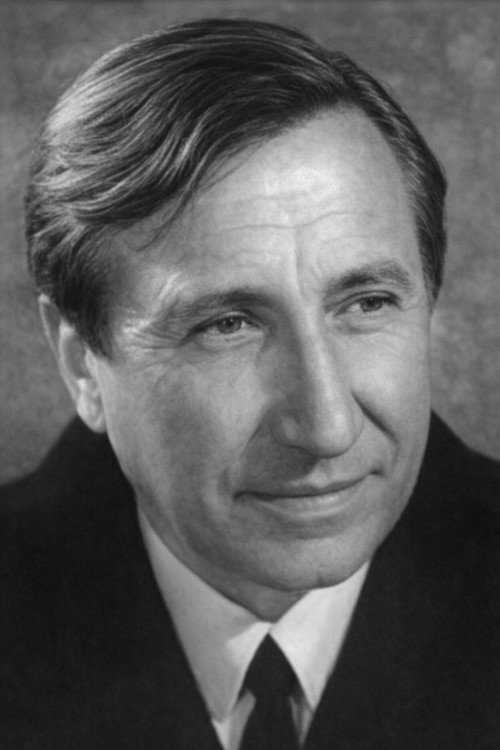
François Darbon
Acting
Biography
François Darbon is a French actor, director, and writer. In 1938, François Darbon began his first theatrical experiences in Tunis. With a company of amateur actors, he performed for three evenings at the municipal theatre. The following day, nostalgic for those nights on stage, he decided to make it his profession. In September 1939, during his military service near Biarritz, he met the man he would never leave, André Clavé, who, like him, had been mobilized as a Reserve Officer Cadet. Their friendship was born through discussions about theatre, and at a time when André Clavé had temporarily set aside the troupe he had founded in 1936, the company Les Comédiens de la Roulotte, with Geneviève Wronecki-Kellershohn, Jean Desailly—then a very young amateur beginner—and a few others. François Darbon would meet them again in September 1940 to perform La paix chez soi. The following month, the troupe joined the Jeune France movement, and they finally began a life as professional actors. They were joined in February 1941 by Jean Vilar, who agreed to come to La Roulotte “simply as a writer,” and by Hélène Gerber, both students of Charles Dullin. Thanks to financial support from Jeune France, the troupe went on a theatrical tour through central France during the summer of 1941. In the summer of 1942, La Roulotte set off again, touring Brittany and central France, but this time without subsidies, as Jeune France had been dissolved at the end of winter. For security reasons, Clavé was then forced to leave his own company a year after joining a Resistance network, the Brutus network. François Darbon used the final years of the war to study under Charles Dullin. After the war, he reunited with André Clavé. Having returned from the Nazi camps of Buchenwald and Dora, Clavé was asked in 1946 by Jeanne Laurent to reconstitute his troupe, Les Comédiens de la Roulotte, to conduct exploratory tours. She later asked him to replace Roland Piétri as director of the Centre Dramatique de l’Est in Colmar. Darbon took part in all these ventures until the end of December 1952, when Michel Saint-Denis replaced Clavé. Darbon and Clavé then founded the Clavé-Darbon Company together and performed in France and Germany until 1955, when André Clavé was forced to leave the theatre to pursue other paths. François Darbon then followed a more solitary path, working from production to production and film to film. He would nonetheless cross paths with Clavé again—both men bound by unwavering loyalty—when Clavé asked him to train African radio announcers in diction at the school he directed, the Studio-École (a school created by Pierre Schaeffer in preparation for decolonization). At 25, Darbon married the lovely Nathalie Manoyloff, of Russian origin. They had a daughter, Sophie. Sophie Darbon is an author, actress, and director like her father. She recently published a children’s tale, Sotisette Planplan et la clé des fées, with Edilivre, dedicated to her parents.
Filmography Movies
Acting

Stolen Kisses
The third in a series of films featuring François Truffaut's alter-ego, Antoine Doinel, the story resumes with Antoine being discharged from military service. His sweetheart Christine's father lands Antoine a job as a security guard, which he promptly loses. Stumbling into a position assisting a private detective, Antoine falls for his employers' seductive wife, Fabienne, and finds that he must choose between the older woman and Christine.
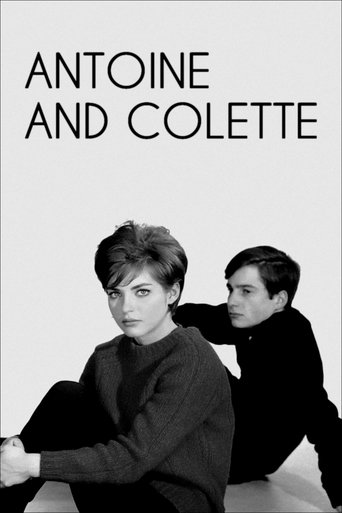
Antoine and Colette
Now aged 17, Antoine Doinel works in a factory which makes records. At a music concert, he meets a girl his own age, Colette, and falls in love with her. Later, Antoine goes to extraordinary lengths to please his new girlfriend and her parents, but Colette still only regards him as a casual friend. First segment of “Love at Twenty” (1962).

Love at Twenty
Love at Twenty unites five directors from five different countries to present their different perspectives on what love really is at the age of 20. The episodes are united with the score of Georges Delerue and still photos of Henri Cartier-Bresson.
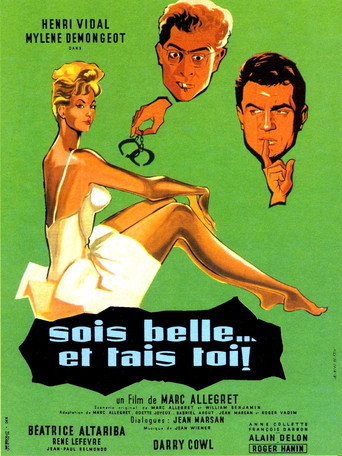
Be Beautiful and Shut Up
A beautiful 18-year-old orphan escapes from a reformatory and hooks up with a gang of jewel smugglers, and decides on a life of crime. However, she falls for and marries a policeman, putting a crimp in her criminal career.
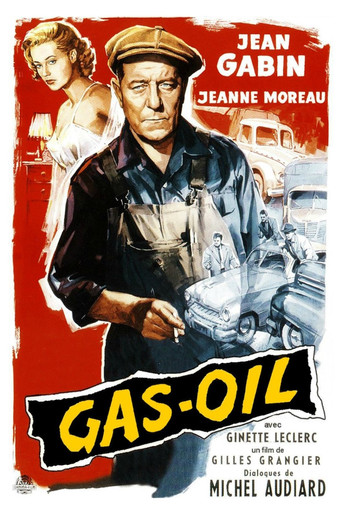
Hi-Jack Highway
A trucker encounters a dead body on the road home. He reports the incident to the police, who suspect that Jean was responsible for the death, and his new truck is impounded. To make matters worse, the man's widow accuses him of having robbed her husband, and a gang of sinister crooks are also harassing him.
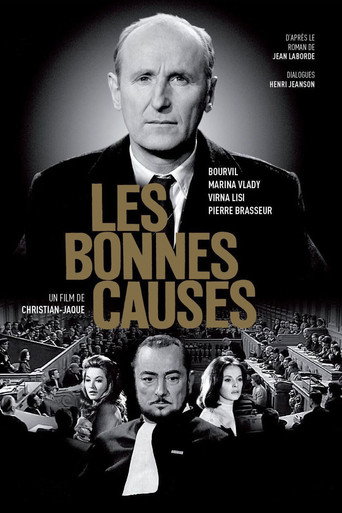
Don't Tempt the Devil
A lovely young nurse finds herself framed for the murder of a hospital patient who died after she administered an injection.
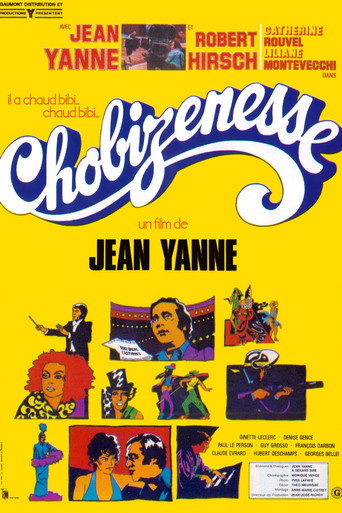
That's Show Business
Clement Mastard is the head of a leading journal dedicated to extravagant vaudeville. An unexpected contract requires him to reconnect with his former headliner Celia Bergson part to try to avant-garde theater. It is through this that he met Johann Sebastian Bloch, misunderstood musician who cause the loss but the side which Mastard, the man without scruples, to humanize and eventually produce a real masterpiece, the Missa Solemnis
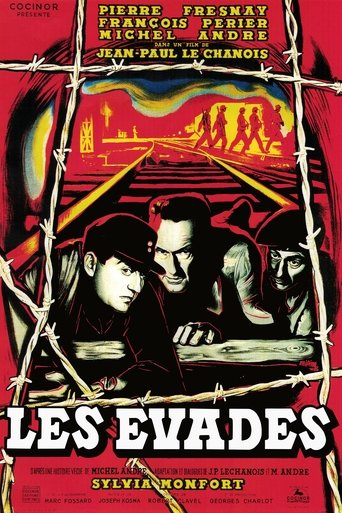
The Fugitives
During the Second World War, in 1943, two French prisoners, François and Michel, escape from Stalag B377 in northern Germany near the Baltic Sea. They meet another escaped compatriot, Pierre, who has donned the uniform of a German officer and joins them. Their goal: to reach neutral Sweden. To get there, they'll have to walk part of the way, then take a train to the coast and, from there, find a way to cross the sea to the shores of Sweden.
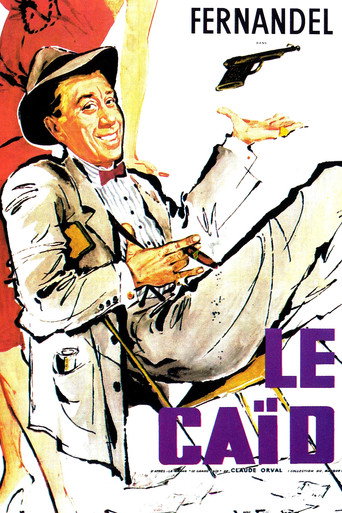
The Boss
Pursued by a rival gang after a violent robbery, Toni escapes with nearly thirty million francs. On the train to Paris, to avoid arousing suspicion, he has no choice but to threaten an honorable philosophy professor, Justin Mignonnet, with his gun, so that he will carry the loot for him. To make sure he returns the money, he takes his papers and makes him promise to be present at the exchange appointment at the Pigalle Hotel the next day. Completely lost, Mignonnet decides to obey orders, but just as he is about to return the money, a young woman, a member of the enemy gang, comes to collect it.
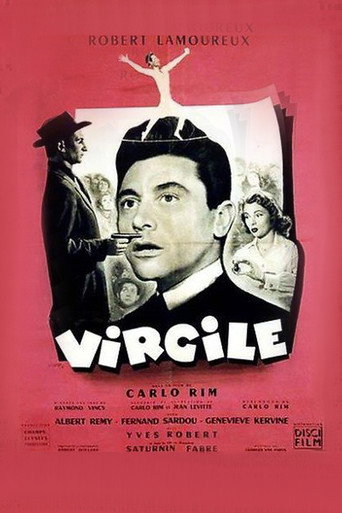
Virgile
Sweet Virgil believes himself to be a victim of the same bad luck that has pursued parents, grandparents and ancestors before him. Terribly complexed by this misfortune, he nevertheless awkwardly tries his hand at journalism, supported by a charming editor. By chance, he comes face to face with the thundering gangster Esposito. In this cat-and-mouse struggle, the mouse wins. Esposito is arrested and Virgil is rid of his inhibitions forever.
Gallery