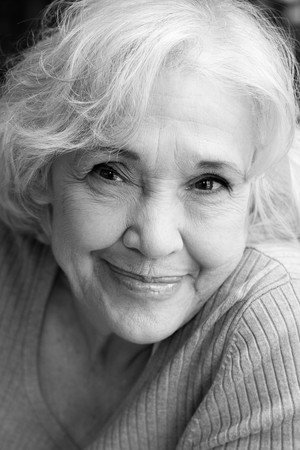
Frédérique Collin Movies, TV Shows, and Filmography
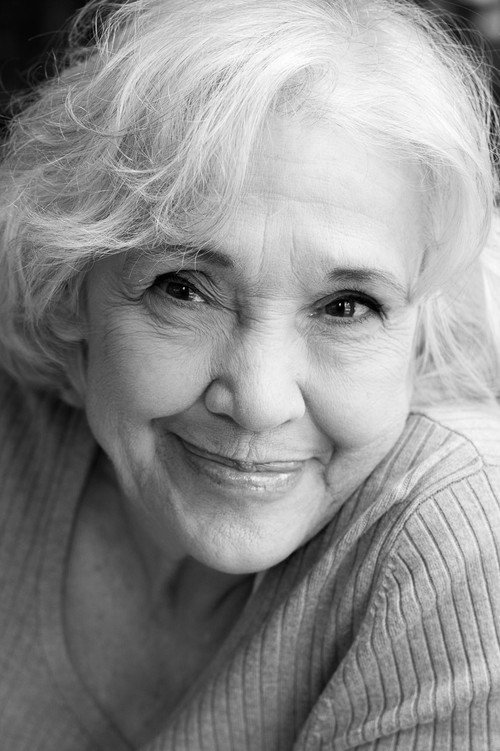
Frédérique Collin
Acting
Biography
Frédérique Collin (born 1944 in Montreal, Quebec) is a Canadian actress, screenwriter and film director. She is most noted for her performance in Marie in the City (Marie s'en va-t'en ville), for which she received a Genie Award nomination for Best Actress at the 9th Genie Awards.
Filmography Movies
Acting
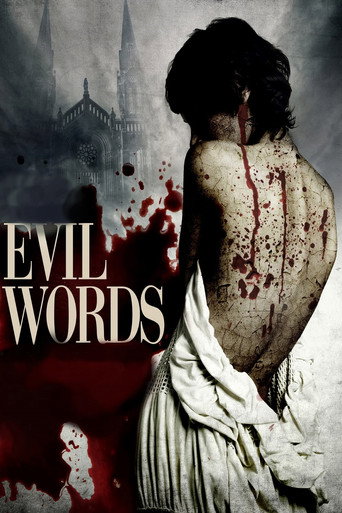
Evil Words
One day, for no apparent reason, a cop kills 11 children. The same day, horror novelist Thomas Roy tries to commit suicide after cutting his fingers. At first glance, nothing seems to link the two events – until Dr. Paul Lacasse, a disillusioned psychiatrist, takes over the case. Prompted by his colleague Jeanne, a fan of Thomas Roy, Dr. Lacasse investigates the writer’s past. Hounded by a gossip columnist, Dr. Lacasse uncovers a series of troubling facts that bolster his convictions about the case. As he tries to reassemble the pieces of the puzzle in order to better treat the famous writer, Dr. Lacasse is dragged further and further into a series of events, with terrifying consequences.
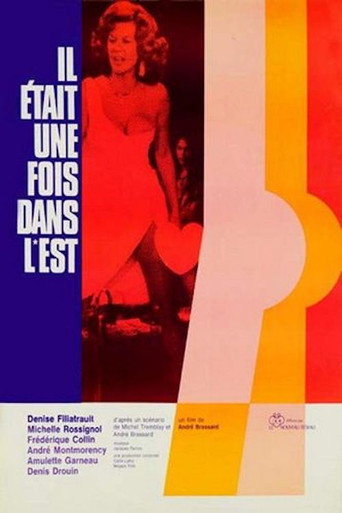
Once Upon a Time in the East
Two women and a transvestite gay man cross paths in this French Canadian drama. The transvestite is preparing for a drag-queen beauty pageant, and has decided to present himself as Cleopatra. Of the two women, one was just fired from her waitressing job and seeks to go back to work at the nightclub where the beauty pageant is to be held. The other woman's mother has just won one million food stamps.
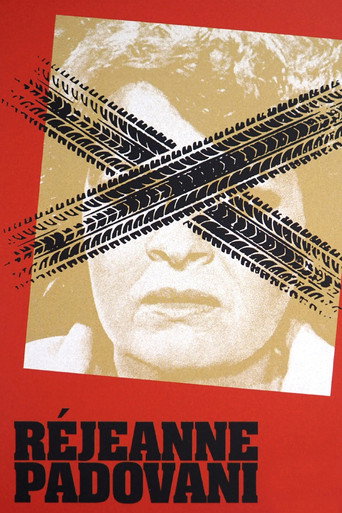
Réjeanne Padovani
The unexpected return of his ex-wife and the assembly of a group of protesters both threaten to wreck a corrupt contractor's inauguration party for his new superhighway.
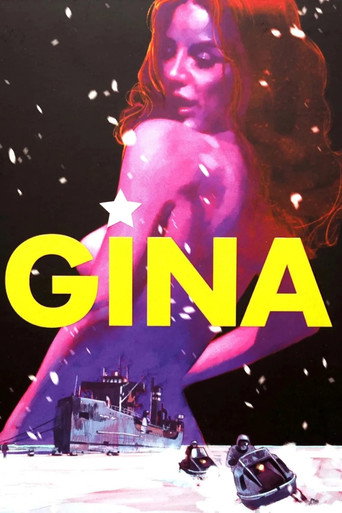
Gina
A beautiful stripper hires renowned criminals to exact revenge on those who raped her in her motel room.
L'amour blessé
A lonely divorced woman spends her evening in her apartment listening to a phone-in radio show. As she listens to strangers talk candidly about their personal problems, she has to come to terms with her own.
A Matter of Life
This short, bleak French-language drama is the first film by Canadian director Andre Theberge. The story concerns a young woman saddled with too many concerns and not enough means. She has been ill and has been given the job of sewing shirts as a means of recovery as well as a livelihood. Abandoned by her husband, she has three very young children to raise, and the combination of fatigue, worry, and just plain despair slowly send her over the brink.
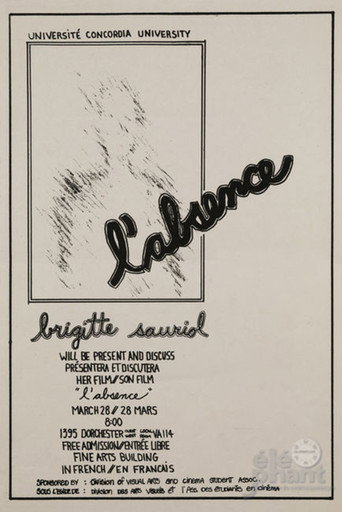
L'absence
Louise is a professional photographer and very successful in her job. But her father who had disappeared for many years resurfaced. He is very sick and would like to see his three daughters again. At the request of her father, Louise hesitates and then slips away. The reappearance of his father poses problems even in her life as a couple.
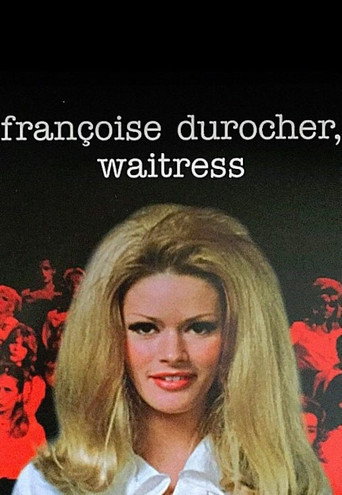
Françoise Durocher, waitress
Fictional character played by 24 different actresses, Françoise Durocher is altogether small time waitress, hostess and barmaid. Together, according to the author, they represent the archetypical Québec waitress that everyday waits on us with a smile, despite whatever problems she faces in her personal life. First cinematographic experience of the Brassard-Tremblay tandem, this film full of ironic joy details all the nuances of the waitress living conditions.
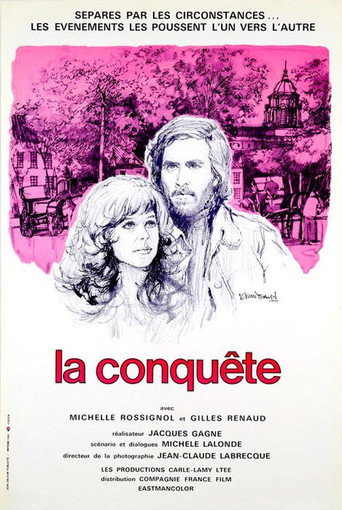
The Conquest
Each married on their side, a teacher and a sociologist meet by chance in Quebec. Political and intellectual discussions followed a brief mad love.
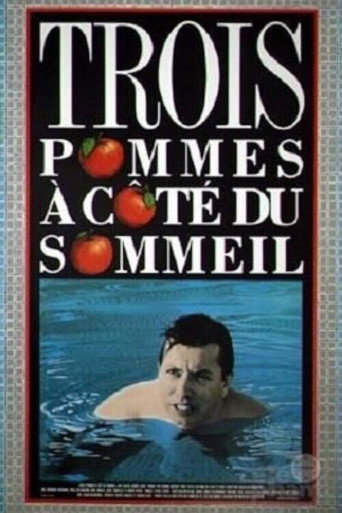
Lessons on Life
A day in the life of a Quebec magazine writer - his fortieth birthday - from his dream before waking to his last act before sleeping. He looks back over his life, his thoughts, and his loves.
Production
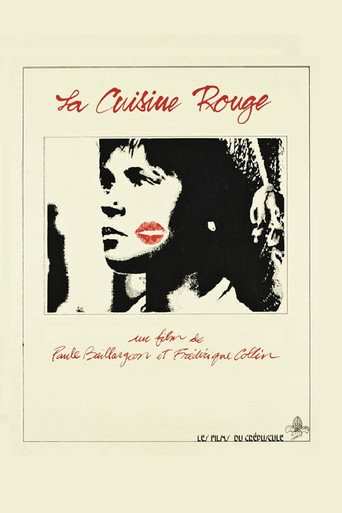
The Red Kitchen
On a wedding day, women are confined to the kitchen to prepare the meal while the men wait to be served. While men talk politics and sports, women talk about their condition. A teenager observes the gap between the sexes. Co-directed by two actresses, Paule Baillargeon and Frederique Collin, The Red Kitchen is the birth of the Quebec women's cinema. The birth of the film was difficult, and funding has been largely achieved through donations from friends and a benefit concert. This war of the sexes takes place in a demanding formal research, based on the improvisation of the actors, whose preparation took place over long sessions in the workshop. The end result mixes black humour, horror and a very expressive fantasy that gave rise to heated debates.
The Red Kitchen
On a wedding day, women are confined to the kitchen to prepare the meal while the men wait to be served. While men talk politics and sports, women talk about their condition. A teenager observes the gap between the sexes. Co-directed by two actresses, Paule Baillargeon and Frederique Collin, The Red Kitchen is the birth of the Quebec women's cinema. The birth of the film was difficult, and funding has been largely achieved through donations from friends and a benefit concert. This war of the sexes takes place in a demanding formal research, based on the improvisation of the actors, whose preparation took place over long sessions in the workshop. The end result mixes black humour, horror and a very expressive fantasy that gave rise to heated debates.
Gallery