Florencia Gómez García Movies, TV Shows, and Filmography

Florencia Gómez García
Editing
Biography
No biography available.
Filmography Movies
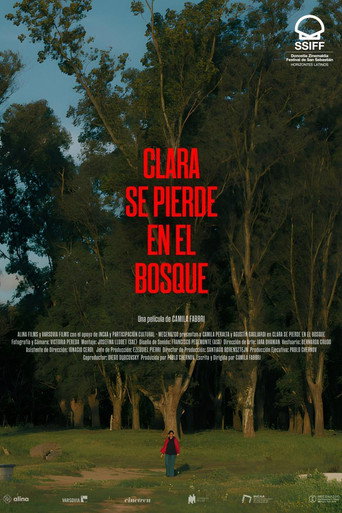
Production
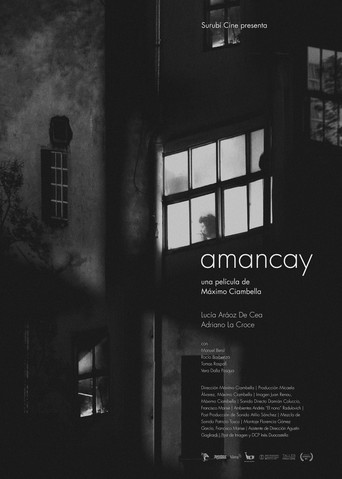
Amancay
A group of friends, the windows of buildings at night, Chacarita's cemetery, a road trip and tree tops are mixed together with sleepless city lights.

The Agronomist
Gastón, an agronomist from Buenos Aires, settles in a thriving rural area to dedicate himself to his activity as a crop advisor. The struggle for his 16-year-old daughter, Vera, and his wife to adapt to the new life puts him in front of a dilemma that shakes the foundations of his work. What seemed like a new beginning becomes a present full of contradictions.
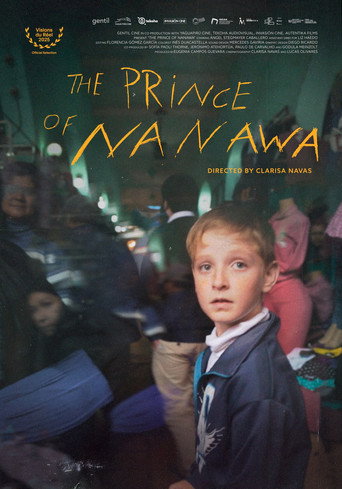
The Prince of Nanawa
On a bustling footbridge separating Argentina and Paraguay, where people traffic all kinds of things in a mix of Guarani and Spanish, we meet Angel. Over the course of the next ten years, Angel will have to make decisive choices for his future.
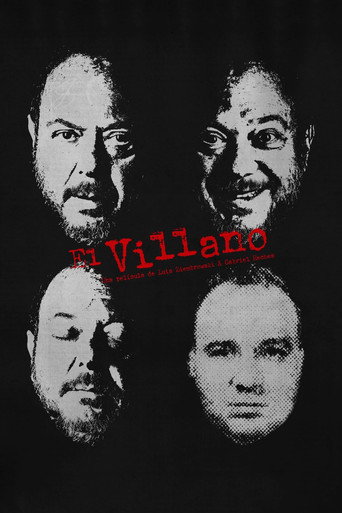
El villano

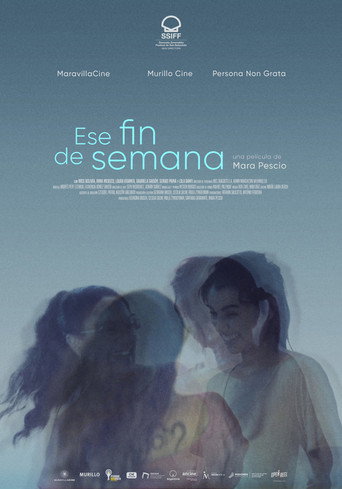
That Weekend
Julia returns to her hometown and the neighbourhood she left years ago after being swindled. She’s here to sign a permit to authorize her daughter to move in with her father, but more than anything, she’s come back to recover money that she left there, and which would solve a lot of her problems. Returning to her past is nothing like she expected it to be.

The Face of the Jellyfish
It is no coincidence that the second feature by Argentinian Melisa Liebenthal begins with a quote from “Duino Elegies” by Rilke, who was concerned with existential angst. And, more prosaically, Marina, the film’s young protagonist, is faced with similar anxiety. In fact, her problem is her face. One morning, she discovers her face has changed, and she can no longer recognise herself. Not even her mother can, who bumps into her on the street and says hello to her like she would to any stranger (deadpan, surreal humor is part of the film’s recipe). Marina is thus forced to confront her identity: who is she? Is she determined by her parent’s DNA or by her ID card? Can she be identified by a family portrait, by biometrics or the love of those around her, including her Colombian boyfriend? Is she prettier now?
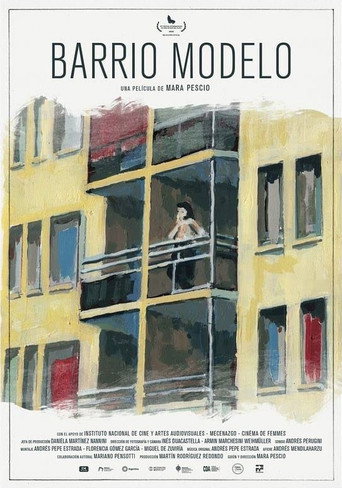
Barrio modelo
Silvia visited Moscow in the late 1960s, during the Soviet regime's heyday. There, she saw the structuralist-designed complexes designed to house working-class families. Upon returning to Buenos Aires, she discovered that the same collectivist spirit was embedded in the buildings constructed by the El Hogar Obrero cooperative. Embracing the ideal of socialism, Silvia abandoned everything, including her husband and children, to move into one of these apartments and write a novel in which she planned to portray its more than 200 owners. Shortly after, she traveled to Italy, and her trail was lost forever. Half a century later, a niece found her manuscripts and decided to bring to life on film what had been left unfinished in literature, combining archival material with scenes of the current inhabitants.
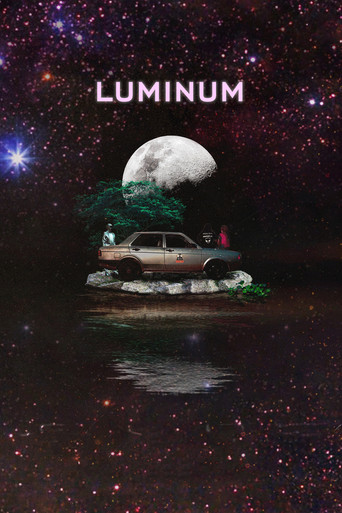
Luminum
Mother and daughter Silvia et Andrea are also ufologists. They run a UFO research group together and stand guard, chasing the lights that appear mysteriously over the Paraná river. Joyously adopting the genre of (science-)fiction, Maximiliano Schonfeld uses humour and affection to paint the poetic portrait of a community.
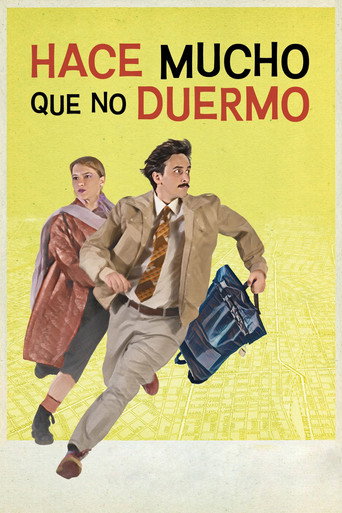
Long Time No Sleep
A sunny morning in Buenos Aires. All seems quiet, but then an odd race begins: a variety of people are after a backpack. A little army of seekers surprises us at every corner. Suddenly, a lonely bureaucrat (Mapache) is involved in this adventure, and new, mysterious and unknown people start to populate his life, all running around the popular Argentinian city to obtain the backpack which seems to be crucial to his own fate, according to the words of his new accomplice, magician and tarot reader Luminitsia.
Gallery