Acting
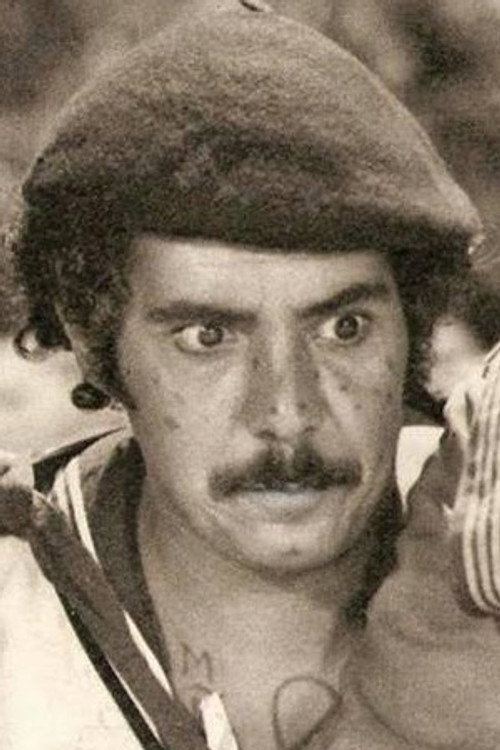
Flávio Corrêa de São Thiago (Rio de Janeiro, May 22, 1945 – Rio de Janeiro, September 14, 2002) was a Brazilian actor.
In the 18th century in a forgotten town, young Benedicta is the executioner's daughter. Monk Ambrosius, newly arrived at the village, pities the girl but his interest in her unleashes the jealousy of Rochus and the conflict between passion and celibacy begins.
After the collapse of their relationships with other people, Maria and Paulo embark in an intense relationship in order to shield themselves from loneliness.
Famous soap opera actress finds out her sexuality after breaking up with her former boyfriend, an important TV executive.
Movie director in his forties and in existential crisis falls in love with an unknown teen girl he sees walking down the streets, without knowing she's the daughter of the woman he's having a relationship with.
When a pedestrian is hit by a bus, the simple clerk Arandir runs and kisses the moribund in a gesture of sympathy and unconditional pure love. Opportunist photographer Amado Pinheiro witnesses the scene and sees the opportunity to sell newspaper and, together with the despicable and abusive chief of police Cunha, accuses Arandir of homosexuality.
Two friends get rich running an illegal gambling business. But soon they start to compete, and become rivals.
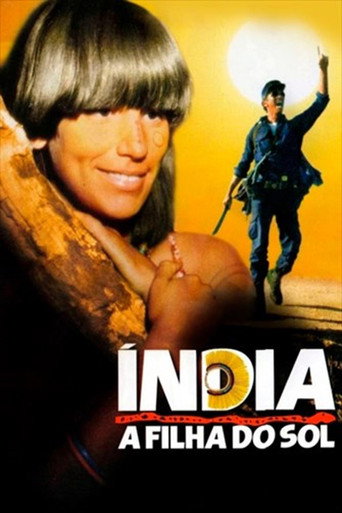
A military man picks up a Native Brazilian woman and heads to a gold panning site where he has undisclosed business to attend to.
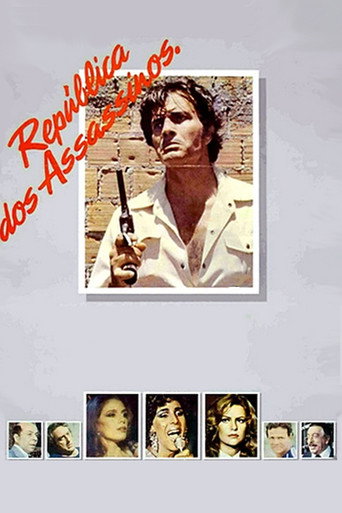
In 1970, the Esquadrão da Morte (Death Squad)' crimes for the refinement of violence provoked a wave of reactions throughout the country. The photos of the victims, adorned by the skull, symbol of the group, caused an uncomfortable indignation. This is the story of Mateus Romeiro, the most famous of the policemen, who was part of the Homens de Aço (Steelmen) group, one of the factions in which the squadron was divided.
Five friends decide to enjoy Mardi Gras without their wives, leaving them home. But one of the wives doesn't accept this arrangement and tries to get even.