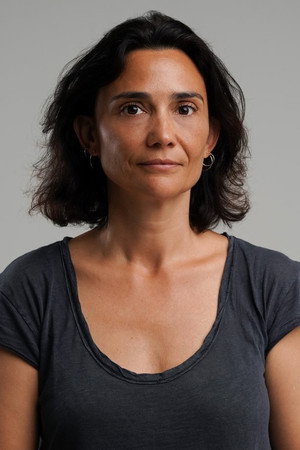
Filipa Reis Movies, TV Shows, and Filmography
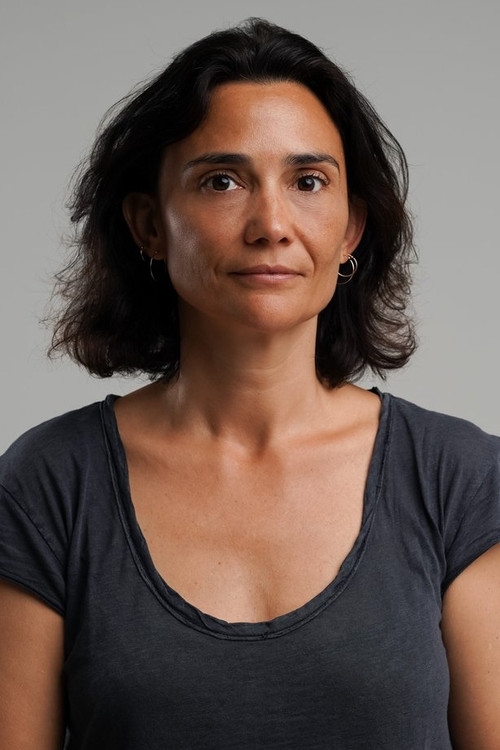
Filipa Reis
Directing
Biography
Filipa REIS (1977) e João MILLER GUERRA (1974)live and work together in Lisbon, Portugal. They directed documentaries Fora da Vida (Best Portuguese Short Film IndieLisboa'15), Bela Vista (Best International Short Film FIDOC'13 and Honorable Mention MiradasDoc'13), Cama de Gato (Best Portuguese Short Film IndieLisboa'12 and Revelation Prize at Festival Luso-Brazilian Santa Maria film'12), Generation Orchestra, Nada Fazi (Best Portuguese Film Fantasporto'12 and audience Award Festival Cortex'12) and Li Ké Terra (Best Portuguese feature film DocLisboa'10 and Special Jury Mention MiradasDoc'11). Their films were presented at international festivals such as Cinéma du Réel, IDFA, DokLeipzig, Bordocs, forumdoc.bh, Festival dei Popoli, Film Look, Recife International Film Window, FIDBA, Dok.Fest, Molodist, Parnu, between others. Their first feature fiction film is currently in post-production. Together they have a film production company Uma Pedra no Sapato, responsible for films like Balada de um Batráquio, by Leonor Teles, who won the Golden Bear for Best Short Film at the Berlin Film Festival'16.
Filmography Movies
Acting
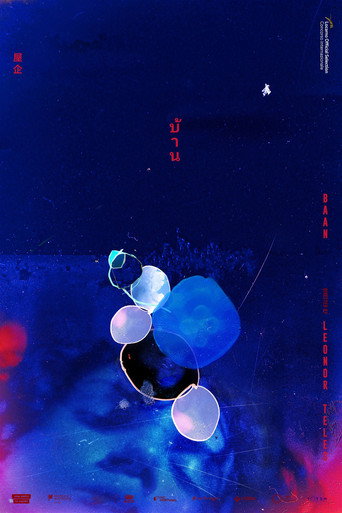
Home
Her name is El - a name that sounds like a letter and makes the young androgynous woman a kind of representative of her generation. A generation that is overwhelmed by all the possibilities of the world, globalization and the digital stream. Lisbon is a promise of freedom, independence and an intense life. But the question of meaning brings doubt into everyday life: what if I were happier with someone else or called another place home? When home no longer feels like home, the search becomes routine. When El meets Kay after a break-up, in the midst of her search, their story together begins. Time, space and emotions implode in "Baan", blurring Lisbon with Bangkok, past with present.
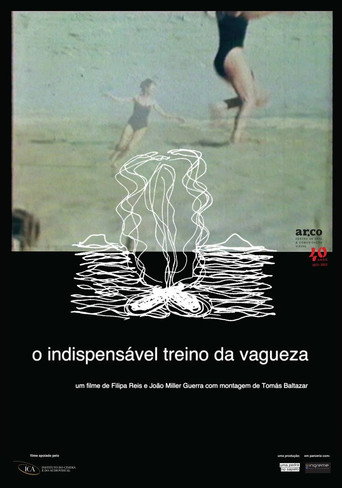
The Indispensable Practice of Vagueness
By the director: "Ar.Co embodies each person’s geography, it escapes normalisation. Each individual’s experience is his own. This film is my experience, our experience. Pieced together from the school’s archive, from recordings of classes by Manuel Castro Caldas and from conversations at home."
Production
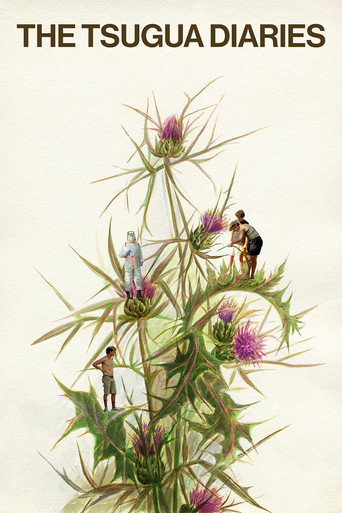
The Tsugua Diaries
Crista, Carloto and João are building an airy greenhouse for butterflies in the garden. The three of them share household routines, day after day… And they are not the only ones.
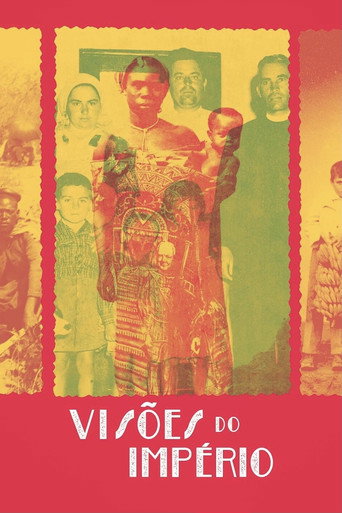
Visions of Empire
A film about the Portuguese colonial empire as it is seen and shown through photography, from the end of the 19th century until the 1974 revolution that put an end to the political regime that ruled Portugal.
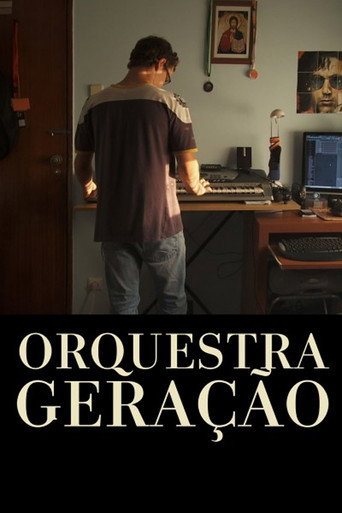
Orquestra Geração
Generation Orchestra is a portrait of the impact of an initiative by the same name students from the Miguel Torga School, in Amadora. The initiative was inspired by the international project Orquestra Simon Bolivar, the apex of the National Network of Youth and Children's Orchestras of Venezuela. Ana, Daniel, Diogo and Monica take part in Generation Orchestra and devote themselves to a project that breaks with the formatted context of public schooling and becomes an indispensable part of their lives. From the onset, starting with Drama classes, we discover their dreams, their relationship with music and their sense of truly belonging to a group.
Orquestra Geração
Generation Orchestra is a portrait of the impact of an initiative by the same name students from the Miguel Torga School, in Amadora. The initiative was inspired by the international project Orquestra Simon Bolivar, the apex of the National Network of Youth and Children's Orchestras of Venezuela. Ana, Daniel, Diogo and Monica take part in Generation Orchestra and devote themselves to a project that breaks with the formatted context of public schooling and becomes an indispensable part of their lives. From the onset, starting with Drama classes, we discover their dreams, their relationship with music and their sense of truly belonging to a group.
Orquestra Geração
Generation Orchestra is a portrait of the impact of an initiative by the same name students from the Miguel Torga School, in Amadora. The initiative was inspired by the international project Orquestra Simon Bolivar, the apex of the National Network of Youth and Children's Orchestras of Venezuela. Ana, Daniel, Diogo and Monica take part in Generation Orchestra and devote themselves to a project that breaks with the formatted context of public schooling and becomes an indispensable part of their lives. From the onset, starting with Drama classes, we discover their dreams, their relationship with music and their sense of truly belonging to a group.
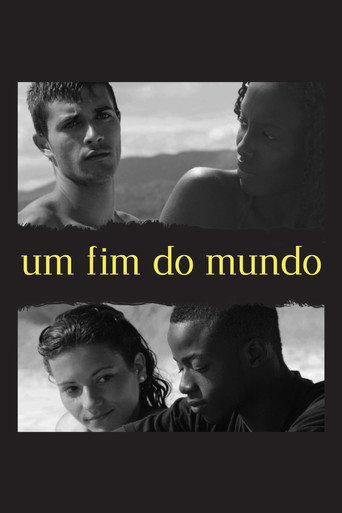
The End of the World
A portrait of the daily lives of young people living in a new-built estate on the outskirts of Lisbon. School is a joke and there’s no work to be had anyway, so the girls try to have fun as best they can. New-girl Eva is very pretty but quiet. The others aren’t sure at first whether she’s arrogant or just shy. Iara and Eva head off to the beach with two boys. The lads turn a couple of abandoned shopping trolleys into racing chariots for them and the atmosphere begins to tingle. Later, they argue with the rest of the group. The other girls manage to get into a club that night but the boys don’t and must kick their heels outside. They’re bent on revenge. They meet up with Eva and go back to her place.
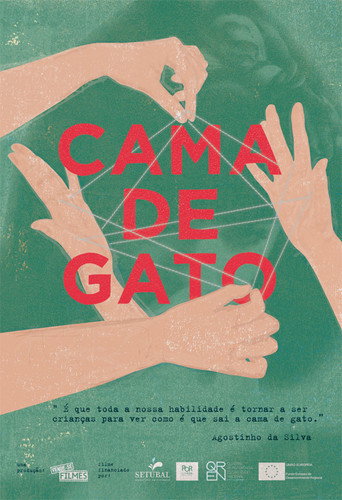
Cat's Cradle
We wanted to make a film about a teenage mother. We met Joana in a casting that took place in Setubal, in the Bela Vista neighborhood. She appeared to us as a porcelain doll, small, fragile, pale, with a little hair bow. Little by little, she crumbled apart, revealing a charming complexity. We were conquered by the duality of strength and fragility, freedom and incarceration, joy and sorrow. The intimacy and complicity we were able to establish with her made this film possible. In Cat's Cradle, we share her with everyone else.
Cat's Cradle
We wanted to make a film about a teenage mother. We met Joana in a casting that took place in Setubal, in the Bela Vista neighborhood. She appeared to us as a porcelain doll, small, fragile, pale, with a little hair bow. Little by little, she crumbled apart, revealing a charming complexity. We were conquered by the duality of strength and fragility, freedom and incarceration, joy and sorrow. The intimacy and complicity we were able to establish with her made this film possible. In Cat's Cradle, we share her with everyone else.
Cat's Cradle
We wanted to make a film about a teenage mother. We met Joana in a casting that took place in Setubal, in the Bela Vista neighborhood. She appeared to us as a porcelain doll, small, fragile, pale, with a little hair bow. Little by little, she crumbled apart, revealing a charming complexity. We were conquered by the duality of strength and fragility, freedom and incarceration, joy and sorrow. The intimacy and complicity we were able to establish with her made this film possible. In Cat's Cradle, we share her with everyone else.
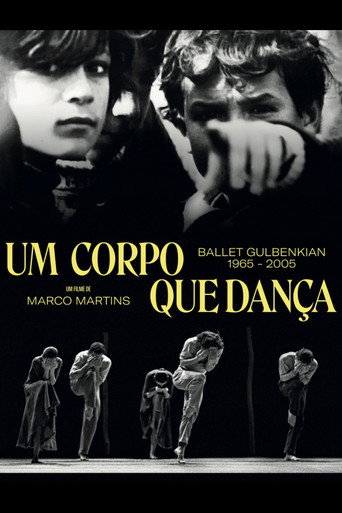
Um Corpo que Dança - Ballet Gulbenkian 1965-2005
UM CORPO DE DANÇA is a proposal for the history of the body, showed through the path of the biggest Portuguese dance company of the 20th century. The documentary follows the rise of dance in Portugal along with the country’s political, economic and sociocultural ongoings as background. It is the story of a transforming body that frees itself from a fascist dictatorship, and of a changing society that opens itself to the world. From unreleased archive images and interviews with several creators and dancers, we follow the path of an extraordinary dance company through the movements and words of its protagonists, from creation in the early 1960s to its extinction in 2005.
Gallery