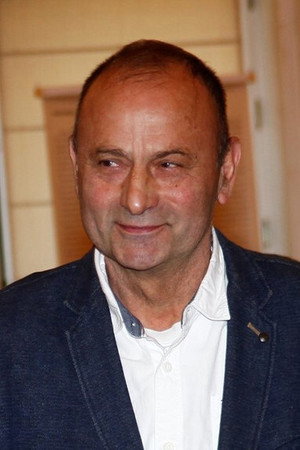
Filip Trifonov Movies, TV Shows, and Filmography
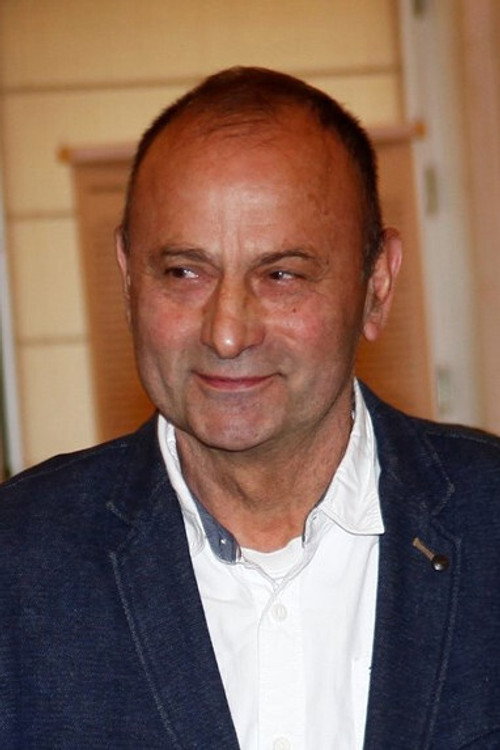
Filip Trifonov
Acting
Biography
The Bulgarian actor Filip Trifonov was born on May 4, 1947. From 1969 to 1973 he studied acting at the National Academy for Theatre and Film Art, Sofia, Bulgaria in the class of Apostol Karamitev. Even before he finished his education in 1971 Filip Trifonov made his cinema debut in the film "The Test" (directed by Georgi Djulgerov). He played the main role - character Lio. Then he played the title role in "The Boy goes" (directed by Lyudmil Kirkov). Philip Trifonov has participated in over then 30 films, including "The Hare Census" (directed by Eduard Sachariev), "As a Song" (directed by Irina Aktasheva and Hristo Piskov), "Wardrobe" (based on the novel of Stanislav Stratiev; directed by Georgi Djulgerov), "Tool Is Bagpipe?" (directed by Asen Shopov), "Orchestra without a Name" (directed by Lyudmil Kirkov), "Avalanche"(directed by Irina Aktasheva and Hristo Piskov),"Forget this Case" (directed by Krasimir Spasov), "Echelons" (directed by Borislav Punchev), "Life on Demand" (directed by Kosta Bikov), "Protect Small Animals" (directed by Haim Koen),"AkaDaMuS" (directed by Georgi Djulgerov),"Rio Adio" (directed by Ivan Andonov), "Ivan and Alexandra" (directed by Ivan Nichev), "Walking with the Angel" (directed by Ivan Pavlov), "Madame Bovary from Sliven" (directed by Emil Tzanev), "Rhapsody in White" (directed by Tedi Moskov), "Bay Ganyo goes through Europe" (directed by Ivan Nichev). On stage, Philip Trifonov's debut was in the role of Andzor in "The process will take place" by A. Chheidze In Blagoevgrad Theatre in 1973. He worked in Blagoevgrad Theatre, Theatre "Sofia", "Boyana studios 2;. In 1992 he created together with director Nikolai Gunderov Natural Theatre "Trifonof & Gunderov." His performances are "Opening" and "Audience" by V. Havel and "Second Hand", "West Germany - my fatherland", "She", written by him. Died January 6, 2021 in Sofia, Bulgaria as a result of a heart attack
Filmography Movies
Acting
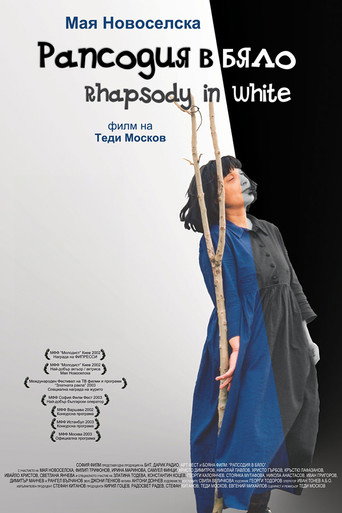
Rhapsody in White
This is a film about the fight against the terrible invincible enemy - the banality of life. Chekhovian provincial hopelessness will creep in, broken by sharp turns of Chaplin-esque humor. A bow to silent cinema and Chekhov.
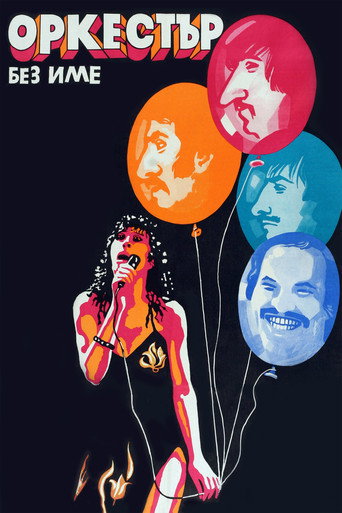
A Nameless Band
Velko, Filip, Pavel and Gosho have different professions but are connected by the love they have for music. They rehearse all year to make it big on the sea resorts in the summer. The head of the cultural center where they play is willing to give them the musical equipment if they replace their singer Maria (Filip's girlfriend) with the attractive but untalented Reni. This is the first, but not the last compromise they have to make on the way to the dream.
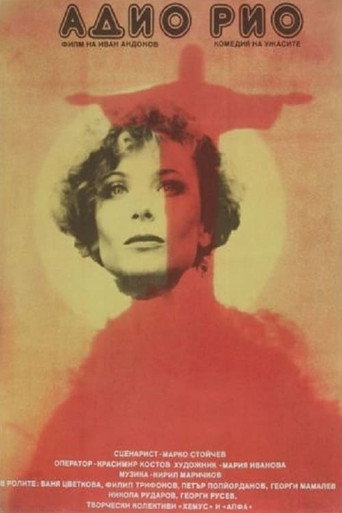
Adio, Rio
Stoev, a talented architect is working in Rio de Janeiro. All along the design stages, Stoev's understanding has been that he would be going together with his assistant architect. However, the company chief secretly decides to change the terms and go instead of the assistant, threatening Stoev to cancel the whole deal if he doesn't comply. Stoev is left with the dilemma to betray a colleague and friend, or to miss the greatest opportunity in his career. When Stoev is about to choose the former, a mysterious dead body appears in his life.
Protect the Small Animals
Two friends from their student years are dating. One of them is the director of a peasant school, and the other is an impresario in show business. Memories bring them back to their youth. What have they lost and what have they kept over the years? These questions are answered by the heroes at dawn, after a stormy night.
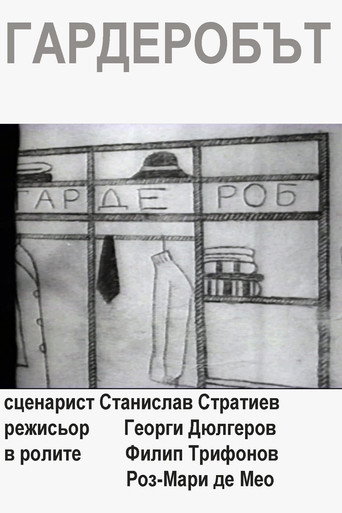
The Wardrobe
A young couple dream of having a wardrobe. When they buy it the wardrobe begins to totally manipulate their life - it orders their deeds, sets their taste, enslaves them.
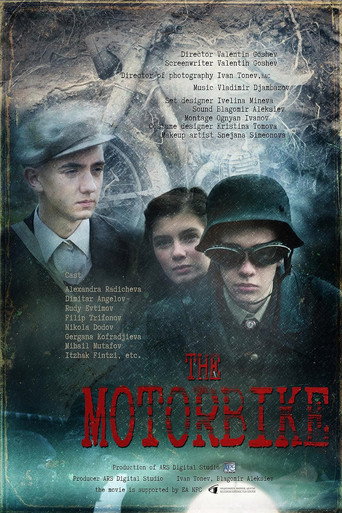
The Motorbike
A film about friendship that can endure for years, despite the vicissitudes of historical events. In this film, Slavcho, Evelina and Willy (a German boy their age) are schoolchildren in the village of Barakovo during World War II, where the three first encounter love and hate.
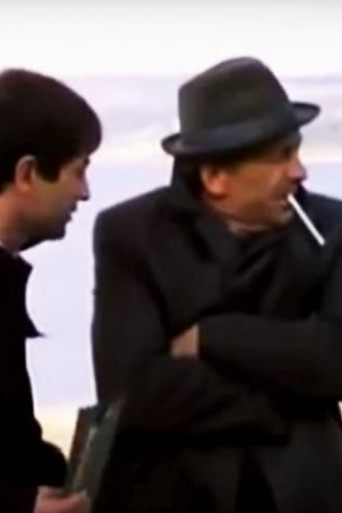
Forget About This Case
Inspector Andreev arrives in a small provincial town. He starts digging through his predecessor's unsolved case, which involves certain big shots in town.
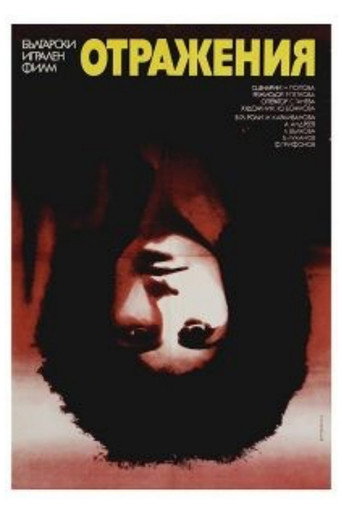
Reflections
Maya lives in Burgas on the coast of the Black Sea. She's a young woman trying to find herself. The film features the poetry of Petya Dubarova and is loosely inspired by her life.
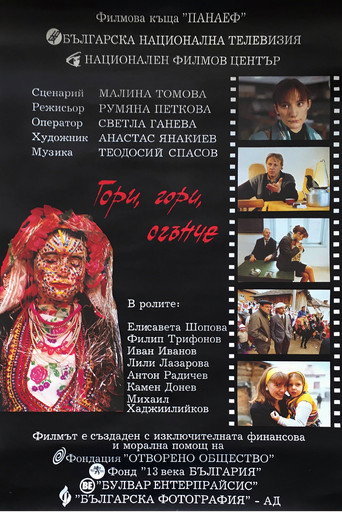
Burn, Burn, Little Fire
A new teacher - Marina - arrives in a small Pomak village in the late 1960s. She is a woman trying to live and think independently. Marina finds herself in a world unknown to her, at once pure and immaculate, but with the signs of the deformation of natural life that is typical of the whole country. After meeting the Doctor, Bai Mnogoznai, Mariana, the mayor, the internationalist Yosko, she discovers that each resists authority in their own way. And when the government starts changing the non-Bulgarian names of the Pomak villagers, the heroine realizes she is in a prison - with high mountains, forests, rivers - a prison of tragic beauty.
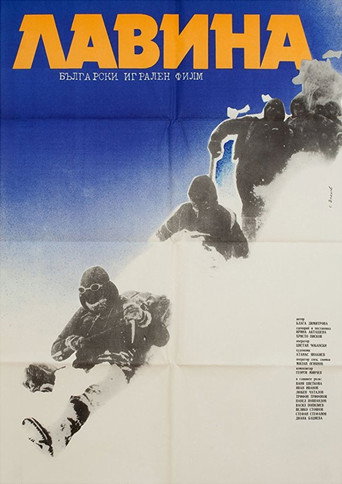
Avalanche
A team of climbers are preparing for their new mountain climbing expedition. They are brought together by their mutual love for this dangerous sport, for its challenges. They, however, differ in tempers, in problems and notions of honor and dignity. Already up in the mountain, they are expected to pull themselves together to the full, in order to succumb to the will of the leader and forget about the tensions, accumulated among the members of the team. The team of young mountaineers is scaling a difficult summit, but mid-way they are buried by an avalanche. Caught in the deadly vortex, each of the characters relieves the cherished moments of his or her life. Each character illustrates a separate theme. Nayden has to cope with the problems of leadership. Nikifor is his rival, who is destined to be the perennial number two. The Man ho Is Sensitive to Cold is preoccupied with the subject of friendship. Matters that are typically artist absorb the Poet, The Sculptor and the Cameraman.
Gallery