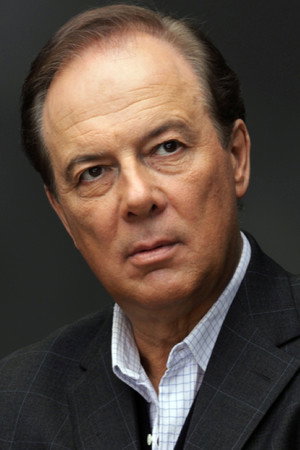
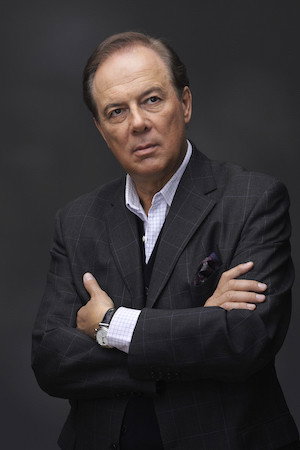
Ferruccio Furlanetto Movies, TV Shows, and Filmography
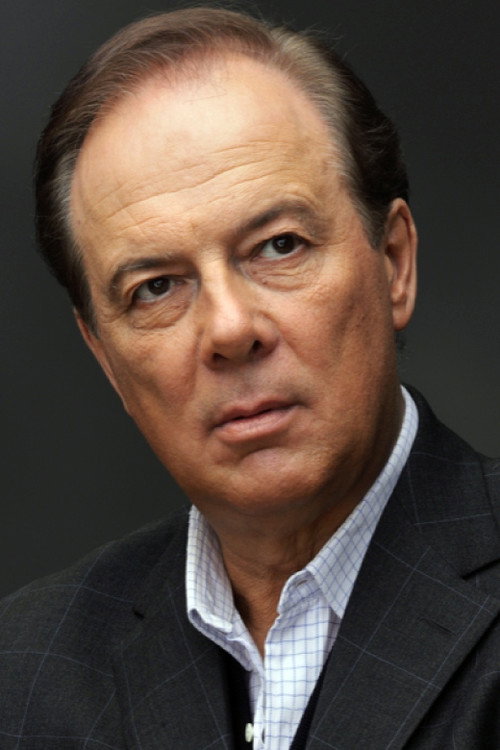
Ferruccio Furlanetto
Acting
Biography
Ferruccio Furlanetto was born on May 16, 1949 in Sacile, Friuli-Venezia Giulia, Italy. He is an actor, known for La traviata (1982), Giuseppe Verdi: Don Carlos (1986) and La Gioconda (1979).
Filmography Movies
Acting
Don Giovanni
Live performance from Cologne Opera. Conlon conducts a skittishly dynamic performance of Don Giovanni. He relies on Thomas Allen’s tough Don to give the work much of its dark menace and on Holle’s terrifying Commendatore to provide the moral outrage – his job is to keep things moving, and he does. The exteriors – blank city spaces reminiscent of the paintings of Giorgio De Chirico – and moodily claustrophobic interiors mirror effectively the anguish of the orphaned Anna and the abandoned Elvira; this is a performance in which the two women victims of the Don function effectively as correctives to his libertine charm. Andrea Rost as Zerlina brings real delicacy to her role, reminding us that “La ci darem la mano” is a duet about her flirtation with Don Giovanni and not just a famous stand-alone moment. This is an admirable presentation of a fine performance.
Don Giovanni
Every woman wants him, every man wants to be him: Mozart’s version of the irresistible rogue who brings excitement with him and leaves destruction it his wake has always attracted top singing actors, as in this performance brilliantly led by James Levine. Samuel Ramey is Don Giovanni, pursued by the incandescent Karita Mattila (Donna Elvira) in her Met debut season and role, and by the white-hot avenging fury of Carol Vaness (Donna Anna.) Ferruccio Furlanetto delivers a masterful comic turn as the Don’s servant, Leporello.
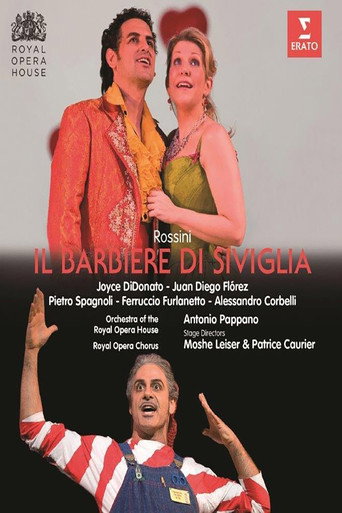
The Barber of Seville
23-year-old Gioachino Rossini completed his masterpiece IL BARBIERE DI SIVIGLIA incredibly quickly – legend has it in just 13 days – which Rossini attributed to ‘facility and lots of instinct’. The opera, characterized by youthful energy and bold wit, has all the ingredients for comic chaos: an imprisoned young woman, her lecherous guardian and a young noble suitor. Skilfully plotting behind the scenes is Figaro, an irrepressible and inventive character in whom many have seen a resemblance to the young Rossini himself. The score fizzes with musical brilliance, from Figaro’s famous entrance aria to the frenzy of the Act I finale. This recording sees Joyce DiDonato (Rosina) bring literal meaning to the old theatrical motto Break a leg! She did just that in an earlier show but was determined to finish her commitment and was re-staged into the production to allow for the additional challenges that come when a leading lady in a lively physical role must wheel around the other performers...
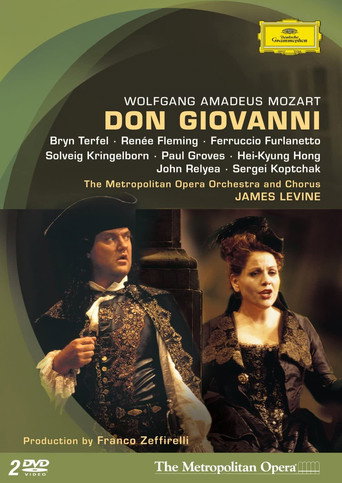
Don Giovanni
Live performance at the Metropolitan Opera in 2000.
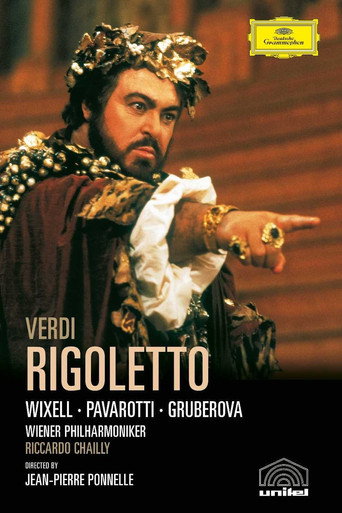
Verdi: Rigoletto
Rigoletto is a jester in the court of the Duke of Mantua. He has a hunch-back and he's rather unattractive, but he's good at his job of humiliating the courtiers for the amusement of the Duke. The courtiers, of course, are not amused. The Duke is a ladies man who feels his life would be meaningless if he couldn't chase every skirt he sees. In fact, we learn as the opera begins that he's recently been noticing a young lady every Sunday on her way to church, and he's vowed to have his way with her. What nobody realizes is that the girl is the jester's beloved daughter, Gilda, and that Gilda has seen the Duke every Sunday and is smitten with him. Suddenly Count Monterone appears at court, furious that the Duke has seduced his daughter. Rigoletto ridicules Monterone, the Duke laughs, and Monterone casts an awful curse on both of them. Later, the courtiers discover that Rigoletto is secretly living with Gilda...
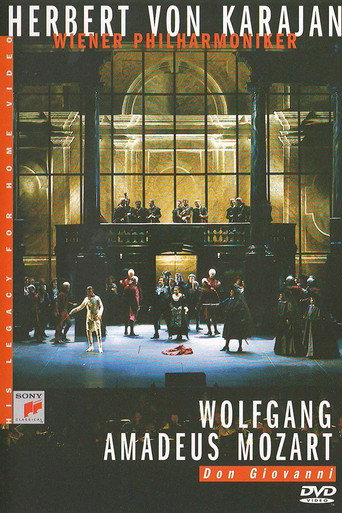
Don Giovanni
Live performance from Salzburger Festspiele in 1987. Herbert von Karajan conducting the Wiener Philharmoniker and Wiener Staatsopernchor. Stage director Michael Hampe. Starring Samuel Ramey and Anna Tomowa-Sintow.
Patrice Chéreau, Pascal Greggory, une autre solitude
A look at the entire process of creating and developing Patrice Chéreau’s third staging of "In the Solitude of Cotton Fields" by Bernard Marie Koltès with Pascal Greggory and Chéreau himself. From the first reading around the table through the first contact with the performance space, rehearsals and lighting to opening night, the entire creative process unfurls in front of our eyes. The film shows us the evolving and ongoing dialogue between Greggory and Chéreau, a dialogue full of crises and magical moments of harmony and insight via which the truth, intensity, complexity, mystery and depth of Koltès’ text gradually emerge to form an implicit bond between these two men. The film also shows Chéreau directing rehearsals for Mozart’s "Don Giovanni" in Salzburg, revealing both the unity of and profound differences between his opera and theater work.
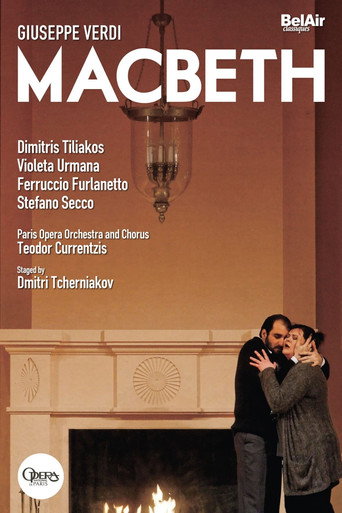
Macbeth: Opéra National de Paris
Coproduced with Siberia’s Novosibirsk Opera, this new Macbeth uses cutting-edge multimedia technology to give the viewer a fresh perspective on the work. Google Earth satellite images plunge us into the heart of the action: a gloomy square surrounded by soulless buildings, and the interior of an aristocratic residence. Witches are no more a part of Tcherniakov’s Macbeth that the duel was of Onegin, but once again the atmosphere is one of brooding claustrophobia. Tcherniakov has chosen a great cast, beginning with the marvellous Lithuanian soprano Violeta Urmana as Lady Macbeth. Greek baritone Dimitris Tiliakos is a powerful presence as Macbeth, while the Italians Ferruccio Furlanetto (bass) and Stefano Secco (tenor) are sumptuous as, respectively, Banquo and Macduff. In this, his second production at the Paris Opera, Teodor Currentzis, music director of the Novosibirsk Opera and Ballet Theatre conducts with verve and a splendid theatrical sense.
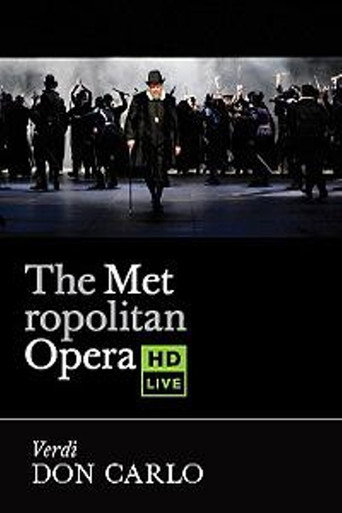
The Metropolitan Opera: Don Carlo
Family jealousy, threat of rebellion, political back-stabbing and the Inquisition weigh heavy on the court of King Phillip II. The tension finally ignites at the King's coronation, where a number of heretics are to be burnt at the stake.
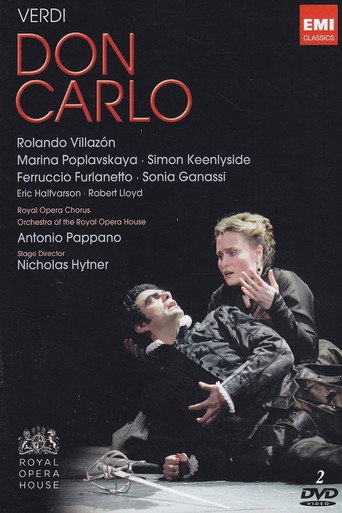
Don Carlo - ROH
Rolando Villazón Triumphantly Returns To The Stage As Don Carlo In The 2007/2008 Royal Opera House'S Producton Of Don Carlo. National Theatre director Nicholas Hytner's new staging of Verdi's grandest-- and arguably greatest -- opera, Don Carlo, was the highlight of the 2007/2008 Royal Opera House season. This new production marked Rolando Villazón's much anticipated and triumphant return. Set amidst the political, religious and sexual intrigue of the 16th century Spanish court, this epic work tells the tragic story of Don Carlo, a virtuous young prince who is pitted against the powers of a dominant, corrupt society. First staged at The Royal Opera House in 1886, this new production is the first new version of the 5-Act complete opera to be staged at Covent Garden in 50 years. With sets and costumes by Bob Crowley, direction by Nicholas Hytner, and an enviable cast, this production of Don Carlo is worthy of the greatness of Verdi's original, masterful work.
Gallery