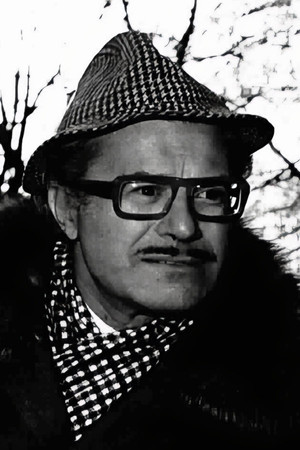
Ferruccio De Ceresa Movies, TV Shows, and Filmography
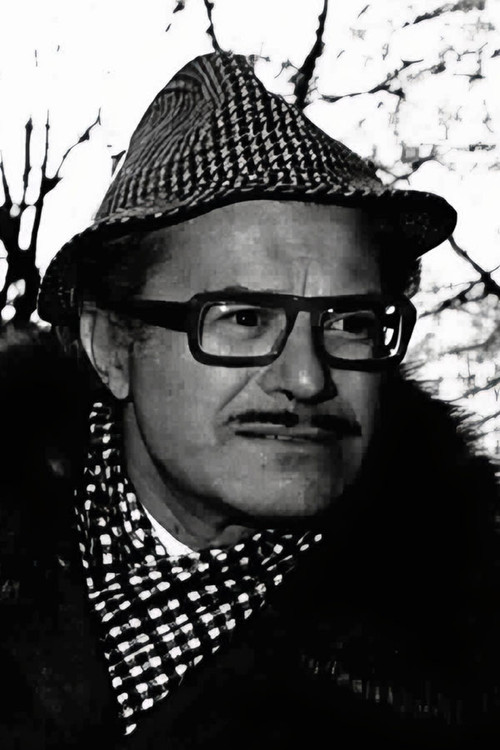
Ferruccio De Ceresa
Acting
Biography
No biography available.
Filmography Movies
Acting
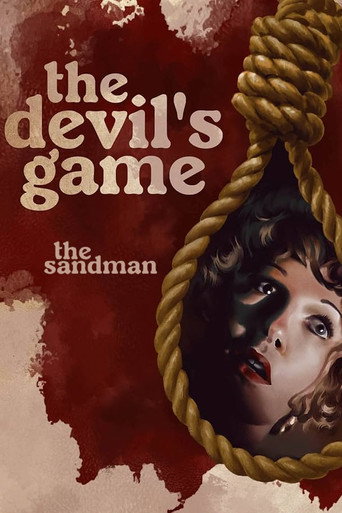
The Sandman
A young student, haunted by the memory of a mysterious figure called Coppelius who killed his father, starts to slowly lose his mind when he encounters an emotionless woman that is actually an automata, as well as a weird salesman who actually could be the man responsible for his father's death.
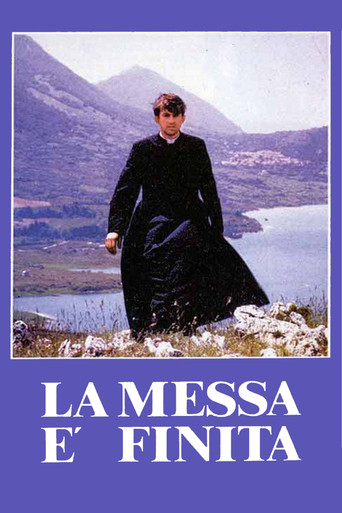
The Mass Is Ended
Young Father Giulio returns to Rome, where he was born and raised, to replace a priest who has left the clergy to start a family. He is delighted to reunite with his loved ones, especially his mother, sister, and old friends. Once radical leftists like Giulio himself, the latter are now each coping in their own way with the defeat of the revolution. Soon, however, Giulio realizes that despite his best efforts, he seems unable to solve the problems troubling those around him.
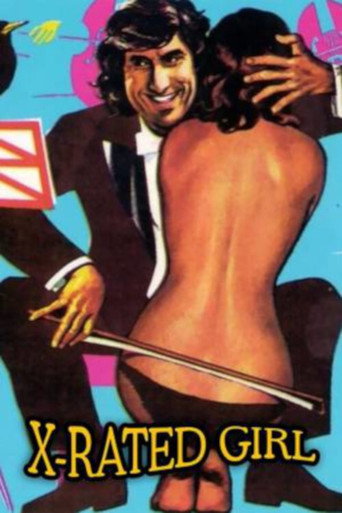
Secret Fantasy
Niccolò Vivaldi is a cello player and he plays in Arena di Verona Orchestra. But he is not the first and neither the second cello. He is frustrated. Nobody can remember his face, nor his name. Niccolò is married to Costanza, who is really beautiful and he takes some pictures of her naked. Later he shows the pictures to a friend and so he feels better. He starts to write a comic opera called "Il merlo maschio" only to discover later he had written Rossini's "La gazza ladra". To maintain his self-esteem he can only show his wife...
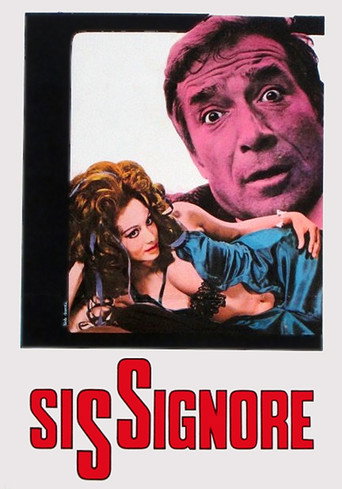
Dismissed on His Wedding Night
A businessman is nicknamed "L'avvocato" and his driver, Oscar, is a yes-man. When L'avvocato has a crash while driving his car, Oscar is put in jail in his place. When Oscar gets out, he finds himself married to the beautiful Maria, but he can't even touch her: she is l'avvocato's lover. Afterwards Oscar is appointed manager, but he can't manage a dime. At the end he shall find himself again in jail, hoping that his "sissignore" (yessir) will let him have, sometime, a driver to send to prison in his place. —
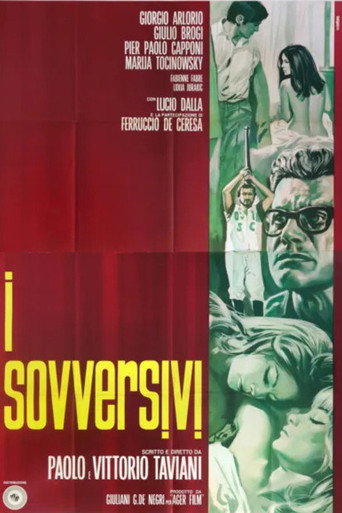
The Subversives
The film combines actual footage of Communist leader Palmiero Togliatti's funeral with the intermingled stories of four people affected by his death: Ettore, a Venezuelan radical who abandons the wealthy Italian woman he loves to go back to his country and help his cause; Ludovico, an ailing filmmaker who finds out that art alone is not enough; Giulia, a woman who embarks upon a lesbian affair with a former mistress of her husband; and Ermanno, a philosophy graduate who breaks up with his past.
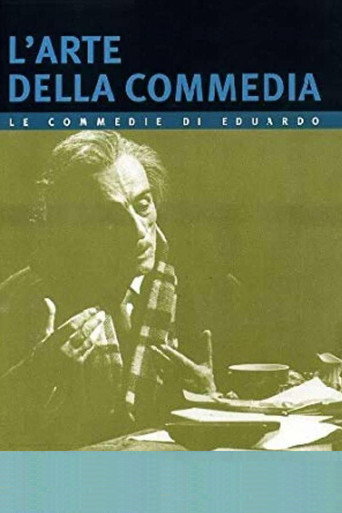
L'arte della commedia
Oreste Campese is the leader of a traveling troupe of actors—made up of his family—who find themselves in the middle of winter in an unspecified town in central Italy. During the prologue, Campese recounts the events leading up to the present: the troupe has suffered the misfortune of losing their "shed," a mobile theater structure that was destroyed by an accidental fire. The flames spared only the boxes of props and costumes, which were opportunely saved.
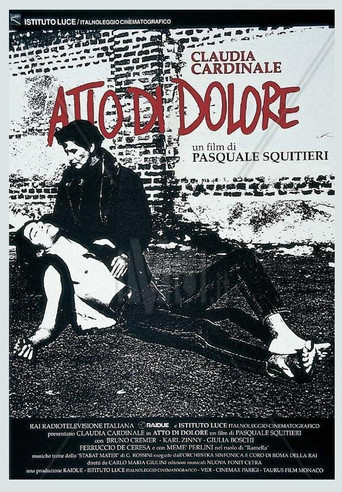
Act of Sorrow
In this painful melodrama, an aging mother (Claudia Cardinale) attempts to cope with the progressive deterioration of her grown son due to his drug addiction. At first only manipulative, in addition to stealing from her he eventually becomes abusive and violent, and she must take strong measures if she is to save her own life, much less his.
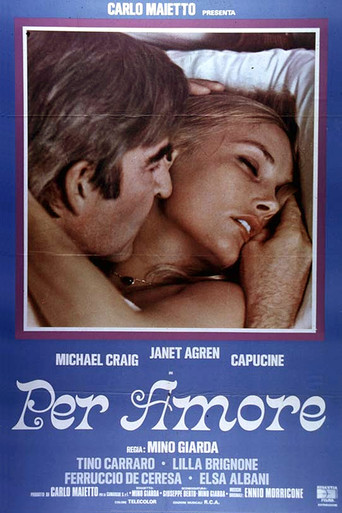
For Love
A classical pianist falls in love with a friend's young daughter.
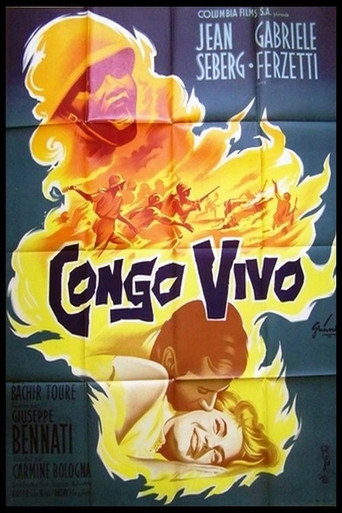
Eruption
In Congo during the revolution, an Italian journalist is in love with the wife of a Belgian businessman.
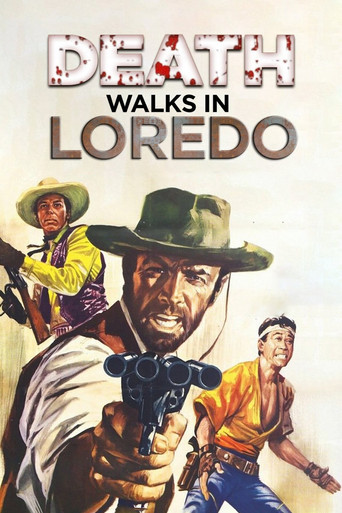
Death Walks in Laredo
Whitaker Selby, Lester Kato, and Etienne Devereaux, three eccentric gunmen, discover they are brothers. Their father left them all a mine located in Laredo, Texas. But they discover that Julius Caesar Fuller, the town's greedy landowner (who fancies himself Caesar) has taken control of their mine. They band together to fight Caesar and his black clad gunmen to repossess their mine and avenge their father.
Gallery