Ferris Webster Movies, TV Shows, and Filmography
Ferris Webster
Editing
Biography
From Wikipedia, the free encyclopedia Ferris Webster (April 29, 1912 – February 4, 1989) was an American film editor with approximately seventy-two film credits. He was nominated for Academy Awards for Best Film Editing for his work on Blackboard Jungle (1955), The Manchurian Candidate (1962), and The Great Escape (1963). Webster was raised in the state of Washington, and was a student at the University of Southern California, where he was an outstanding track and field athlete. He was trained as an editor at the MGM Studios, and received his first feature-film credit in 1943 for Harrigan's Kid. At MGM, Webster edited six films with director Vincente Minnelli: Undercurrent (1946), Madame Bovary (1949), Father of the Bride (1950), Father's Little Dividend (1951), The Long, Long Trailer (1954), and Tea and Sympathy (1956). Film critic Bruce Eder has written of Madame Bovay that, "the cutting of the film in the gala ball sequence, in particular, was a marvel of the editor's art in the service of old Hollywood's restrained, elegant storytelling." In the mid-1950s, he edited three films with director Richard Brooks: Blackboard Jungle (1955), Something of Value (1957), and Cat on a Hot Tin Roof (1958); Webster received his first nomination for the Academy Award for Blackboard Jungle. His last film at MGM was Key Witness (1960). Bruce Eder has written, "If ever a film editor deserved public recognition in the 1960s, it was Ferris Webster." Webster edited the three films of director John Frankenheimer's "paranoia trilogy": The Manchurian Candidate (1962), Seven Days in May (1964), and Seconds (1966). Eder writes that The Manchurian Candidate was "the editor's magnum opus. The shooting, cutting, and intercutting of one extended brainwashing sequence, seen from multiple points-of-view, is still striking decades later, and the movie earned Webster his second Academy Award nomination." Frankenheimer cast Webster in his only appearance as a film actor, as Air Force Gen. Bernard "Barney" Rutkowski in Seven Days in May. Webster was nominated for an Academy Award for the editing of The Great Escape (1963), which was directed by John Sturges. Webster and Sturges' notable collaboration included fifteen films between 1950 and 1972, which is about half of Sturges' films in that period. It started with The Magnificent Yankee and Mystery Street (1950), and included The Law and Jake Wade (1958), The Magnificent Seven (1960), and Ice Station Zebra (1968). The final film of their collaboration was Joe Kidd (1972), which was near the end of Sturges' career. Joe Kidd starred Clint Eastwood. In the last phase of his career, Webster edited and co-edited eight films that were directed by Eastwood, starting with High Plains Drifter (1973), which was Eastwood's second film as a director. Webster edited Breezy (1973), The Eiger Sanction (1975), The Outlaw Josey Wales (1976), The Gauntlet (1977), Bronco Billy (1980), Firefox (1982) and Honkytonk Man (both 1982). These latter two films with Eastwood concluded Webster's career as an editor, apparently after a falling-out between the two men. Additional credits include The Picture of Dorian Gray (1945), Lili (1953), Forbidden Planet (1956), Les Girls (1957), Divorce American Style (1967).
Filmography Movies
Acting
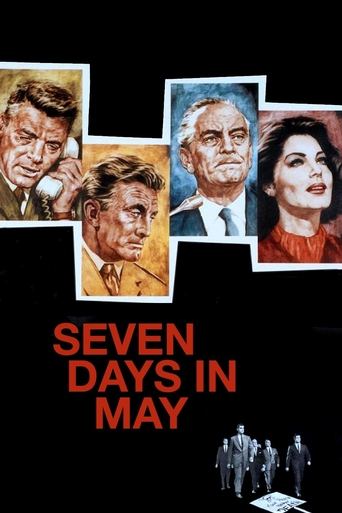
Seven Days in May
A U.S. Marine Corps colonel alerts the president of a planned military coup against him.
The Man with No Name
Profile of Clint Eastwood.
Production
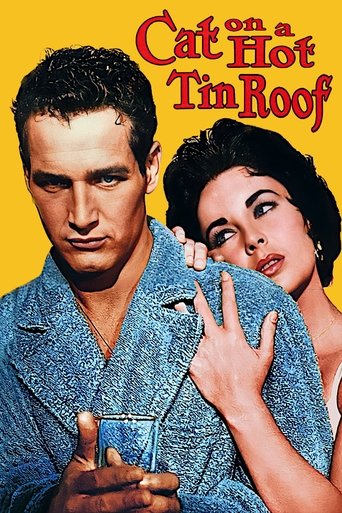
Cat on a Hot Tin Roof
An alcoholic ex-football player drinks his days away, having failed to come to terms with his sexuality and his real feelings for his football buddy who died after an ambiguous accident. His wife is crucified by her desperation to make him desire her: but he resists the affections of his wife. His reunion with his father—who is dying of cancer—jogs a host of memories and revelations for both father and son.
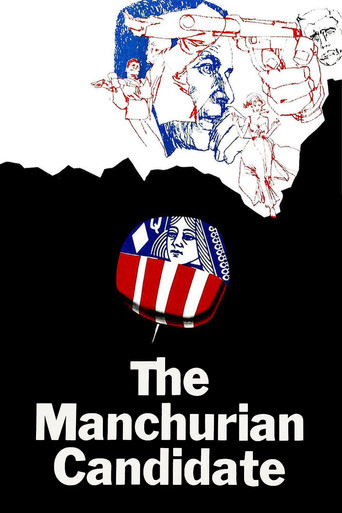
The Manchurian Candidate
Near the end of the Korean War, a platoon of U.S. soldiers is captured by communists and brainwashed. Following the war, the platoon is returned home, and Sergeant Raymond Shaw is lauded as a hero by the rest of his platoon. However, the platoon commander, Captain Bennett Marco, finds himself plagued by strange nightmares and soon races to uncover a terrible plot.
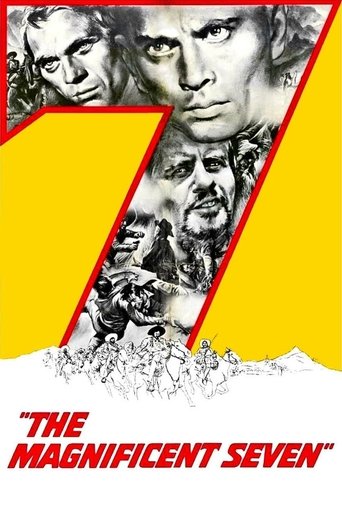
The Magnificent Seven
An oppressed Mexican peasant village hires seven gunfighters to help defend their homes.
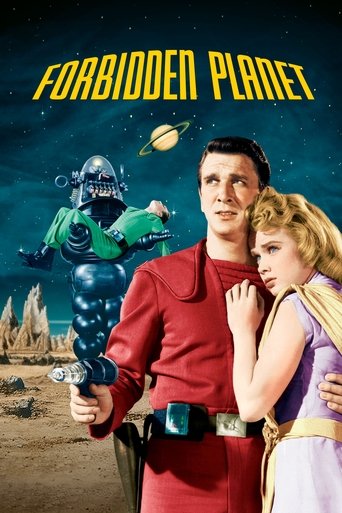
Forbidden Planet
Starship C57D travels to planet Altair 4 in search of the crew of spaceship "Bellerophon," a scientific expedition that has been missing for twenty years. They find themselves unwelcome by the expedition's lone survivor and warned of destruction by an invisible force if they don't turn back immediately.
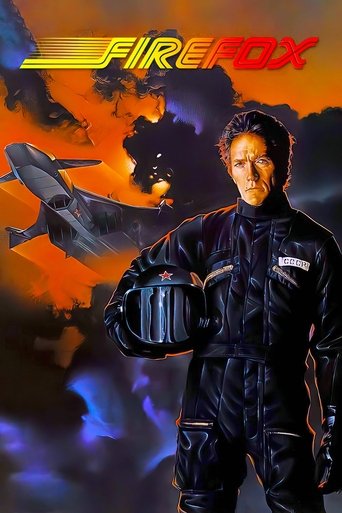
Firefox
The Soviets have developed a revolutionary new jet fighter, called 'Firefox'. Worried that the jet will be used as a first-strike weapon—as there are rumours that it is undetectable by radar—the British send ex-Vietnam War pilot, Mitchell Gant on a covert mission into the Soviet Union to steal the Firefox.
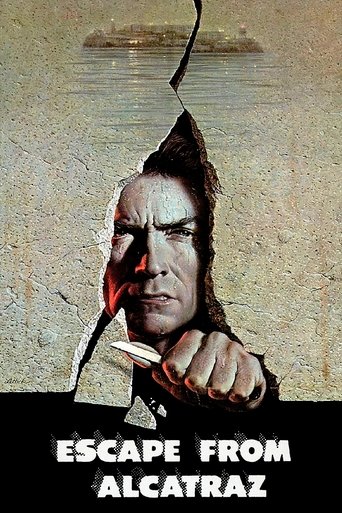
Escape from Alcatraz
San Francisco Bay, January 18, 1960. Frank Lee Morris is transferred to Alcatraz, a maximum security prison located on a rocky island. Although no one has ever managed to escape from there, Frank and other inmates begin to carefully prepare an escape plan.
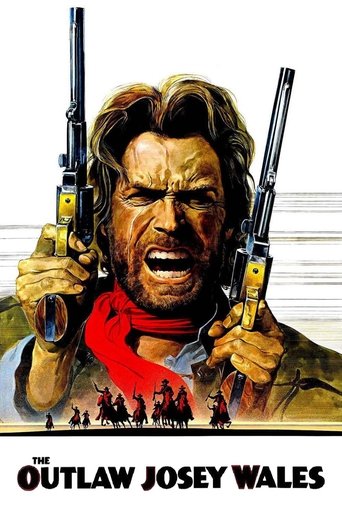
The Outlaw Josey Wales
After avenging his family's brutal murder, Wales is pursued by a pack of soldiers. He prefers to travel alone, but ragtag outcasts are drawn to him - and Wales can't bring himself to leave them unprotected.
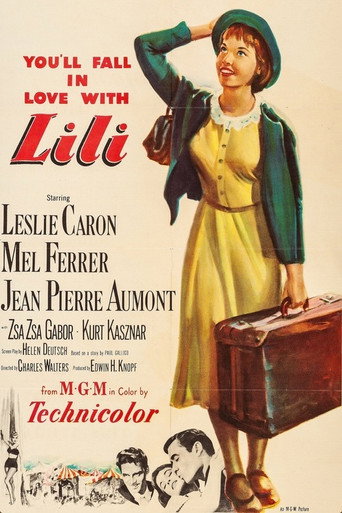
Lili
Members of a circus troupe "adopt" Lili Daurier when she finds herself stranded in a strange town. The magician who first comes to her rescue already has romantic entanglements and thinks of her as a little girl. Who can she turn to but the puppets, singing to them her troubles, forgetting that there are puppeteers? A crowd gathers around Lili as she sings. The circus has a new act. She now has a job. Will she get her heart's desire?
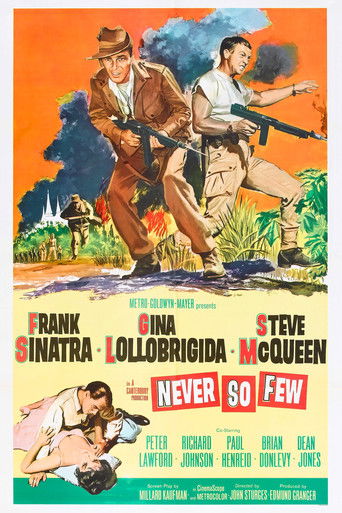
Never So Few
A U.S. military troop takes command of a band of Burmese guerillas during World War II.
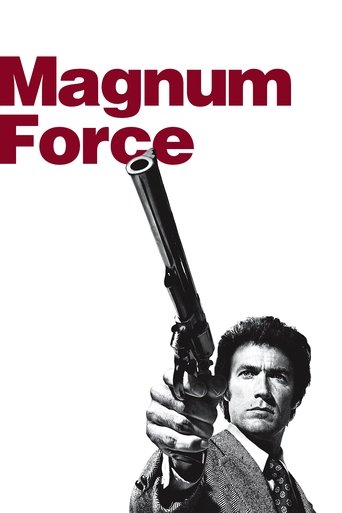
Magnum Force
"Dirty" Harry Callahan is a San Francisco Police Inspector on the trail of a group of rogue cops who have taken justice into their own hands. When shady characters are murdered one after another in grisly fashion, only Dirty Harry can stop them.