Directing
No biography available.
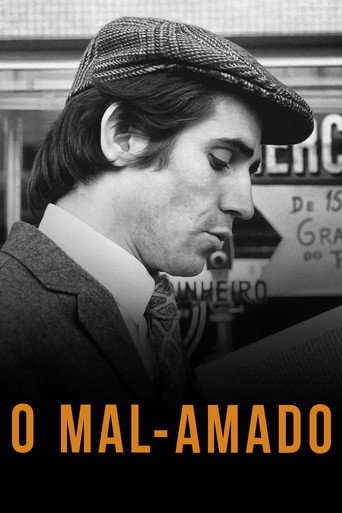
The Soares are a bourgeois couple, living in a good neighbourhood of Lisbon, but João, their son, is not integrating well in that pattern. He attends more political meetings than classes at the Faculty of Economy, and gets a job but that's short lived because his female boss makes him her lover. He longs for the coffee shops, and the companions of old, but he doesn't get true love from anyone.
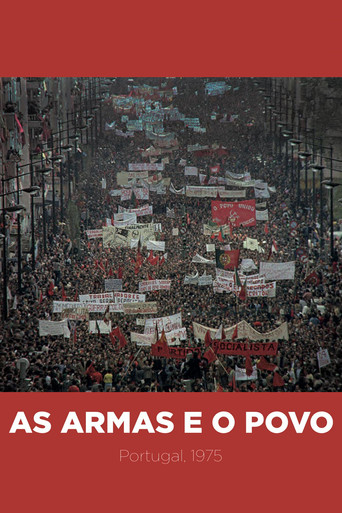
On April 25, 1974 the iconoclastic Brazilian filmmaker Glauber Rocha was in Portugal. There, he joined the collective collective film "As Armas e o Povo". With his foreign and peculiar look, he broke the rules of conventional filmmaking.
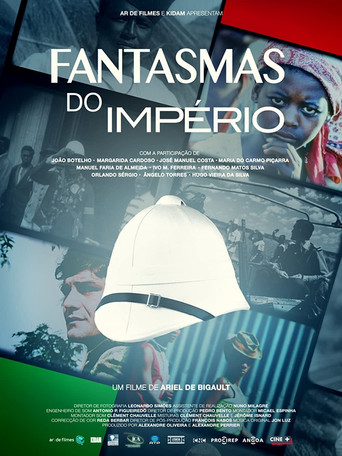
Ariel de Bigault's work has been connected to the routes of the Lusophone World. In Fantasmas do Império we are guided by the saotomean actor Angelo Torres through some works of the Portuguese cinema that explored its colonial past. Some directors as Fernando Matos Silva, João Botelho or Margarida Cardoso help to understand imperialism, colonialism, and propaganda seen through the "family album" which is the Portuguese cinematic collective imaginary.
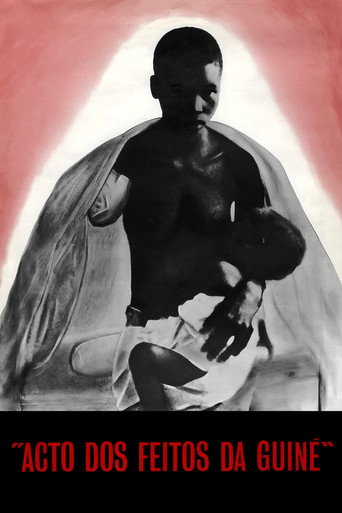
A dialogue between History and a Guerrilla Movement, interlaced with live footage taken in Portugal and Guinea-Bissau, when this country was the colony of the first.
Film directors with hand-held cameras went to the streets of Lisbon from April 25 to May 1, 1974, registering interviews and political events of the Portuguese "Carnation Revolution", as that period would be later known.
A documentary organized around the promotion of Indo-Portuguese cultural heritage, with commented pictures of the most striking examples of civil and religious architecture and housing areas marked by portuguese traditional construction. Patent portuguese memory in everyday's commercial and artistic life of Cochin, now the capital of Kerala state and surrounding regions of Cranganor, Calicut, Quilon and Travancore. The undisputed and recognized influence of Indo-Portuguese Catholic communities across the region.
The school film of Fernando Matos Silva made in the London School of Film Technique. An adaptation of the homonimous tale of the writer Ray Bradbury.
Film commissioned by Lisnave. Shot in 16mm
A film on the work in the electric cable industries of Diogo d'Ávila in Alfragide.
Produced by Francisco de Castro, to promote tourism in the beaches around Lisbon.
ALENTEJO, AS QUATRO ESTAÇÕES is a gorgeous essay on the landscapes of Alentejo, based on a beautiful text by Baptista Bastos, spoken by José Wallenstein.