Directing
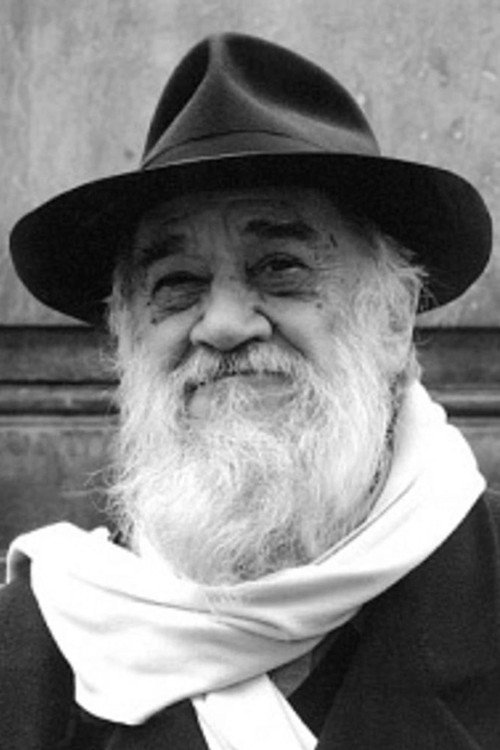
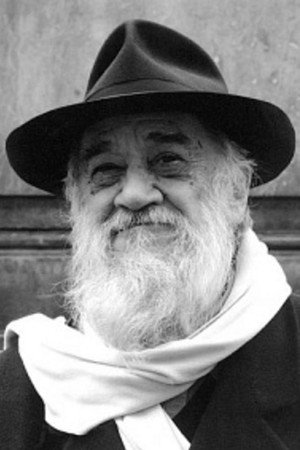
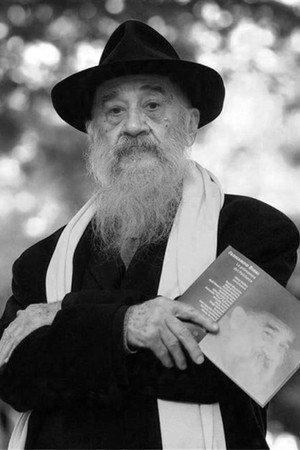
Fernando Birri was an Argentinian filmmaker, poet, painter, teacher and film school founder, and has been a key figure in Latin American cinema.
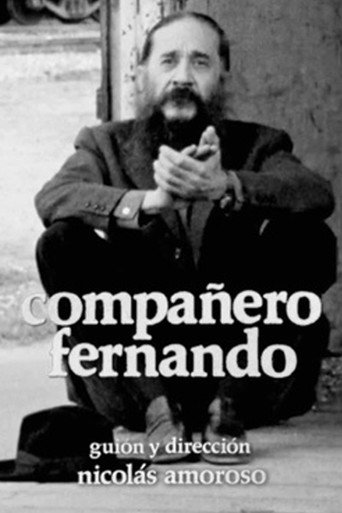
This documentary is a portrait made in Mexico by a group of Argentine exiles, directed by the painter Nicolás Amoroso.
Few people in Argentine and Latin American cinema have been as close as Fernando Birri to stand as a patriarch, pioneer, and spokesman for a committed cinema that tears itself apart in its solidarity with its own surroundings. This ode to the tireless Birri presents him to us in full: teaching, establishing standards, and creating with the tools of his time, turning culture into a form of political affirmation as he grows more and more vital and rooted.
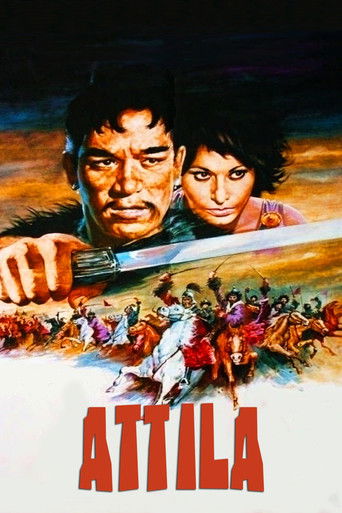
Attila, the leader of the barbarian Huns and called by the Romans "The Scourge of God", sweeps onto the Italian peninsula, defeating all of the armies of Rome, until he and his men reach the gates of the city itself.
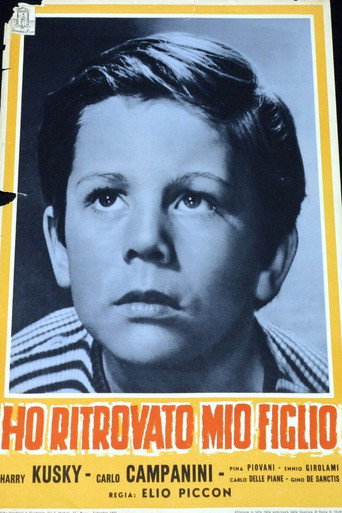
A young boy, about to take his first communion, must wrestle with his familial loyalty and his conscience when there is a fire at their local cinema where his brother works and it is clear that he is involved in the theft of the projector. Determined to right the wrong done by his sibling, he attempts to make amends.
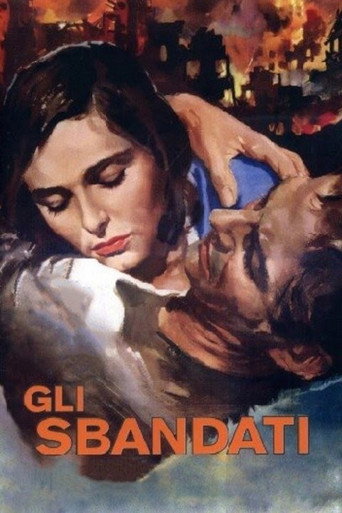
A group of rich young intellectuals hiding from the war in rural Italy play at being partisans when some disbanded soldiers and some refugees ask them for shelter in their villa. The young and aristocratic Andrea strikes up a friendship with a peasant girl, Lucia. Then the Germans suddenly appear, looking for the real partisans, and the time comes for serious decisions.
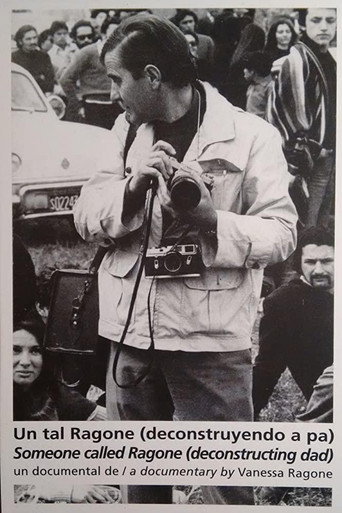
This documentary deconstructs the life of my father, Carlos Ragone, based on his work as a photographer and photojournalist: father and daughter, photographs and audiovisuals, memory and imagination intertwine.
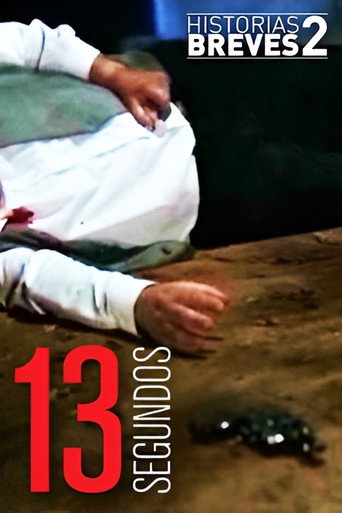
What goes through someone's mind 13 seconds before they die? A town lost in the year 40. Different characters in their common actions. Two men lying in the street, one dead, the other playing dead. Between reality and the delusions of his mind we travel through his last thirteen seconds of life.
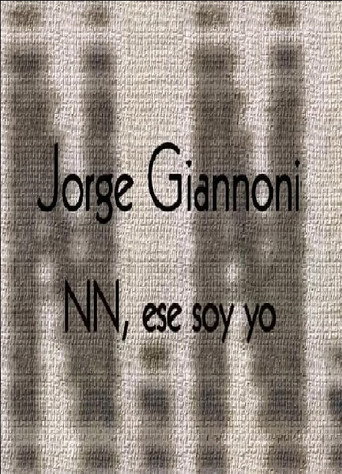
Jorge Giannoni isn't a hero; he's a witness to the darkest part of the history of independent cinema in our country, and of an entire generation; a story that saw him present alongside Raymundo Gleyzer and Glauber Rocha in the turbulent Brazil of the 1960s, during the French May as a producer for RAI, in his work as a face-hunter for Fellini, and in film production from Cuba, making documentaries critical of the Trial; a history riddled with encounters, disagreements, exiles, frustrations, burned negatives, and a few triumphs.
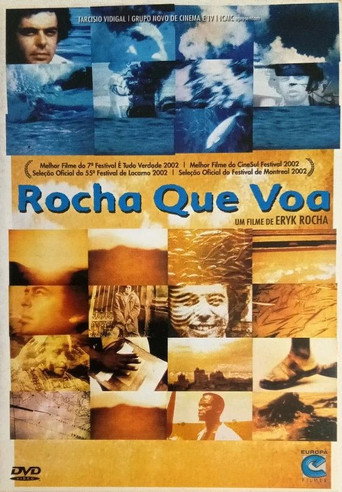
Documentary about the relationship between filmmaker Glauber Rocha and Cuba.
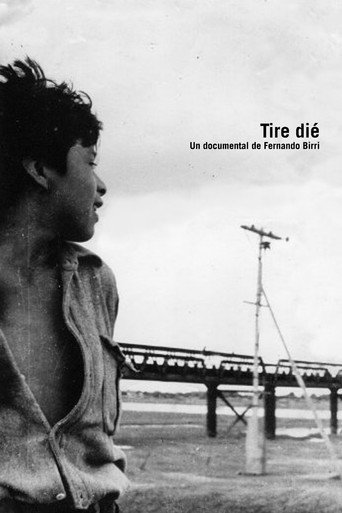
Everyday the children of the neighborhood known as "Tire Dié", in the city of Santa Fe, wait for the train to ask for money, shouting "Tire dié!" (toss me a dime!) to the passengers. Considered the first survey-on-film in Latin America.
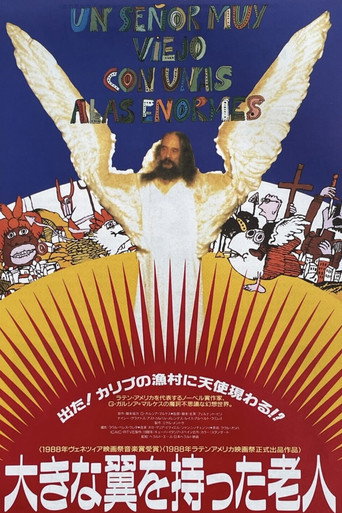
An elderly man with wings is blown off course during a tropical storm in this symbolic fantasy. The Old Man lands near a Caribbean island where a poor family gives him shelter in a chicken coop. Father Gonzaga is the skeptical priest who rushes to damn the creature. Soon the Old Man is the subject of curiosity seekers as Elisinda and Pelayo start charging admission. A traveling carnival of human oddities camps near the Old Man as people flock to see the show. The Old Man is reduced to being an unwanted pet, and after six years, he mends his wings and flies away. Nudity, simulated sex with a spider woman, and the ugliness of human exploitation definitely put this fantasy in a category not for children.
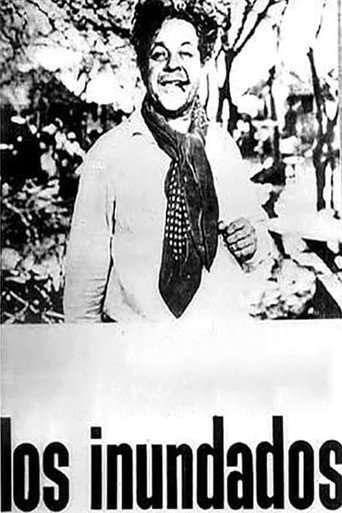
Tells the story of a poor family, inhabitants of the southern province of Santa Fe, who is forced to move into an abandoned railroad until waters recede Salado river wagon.
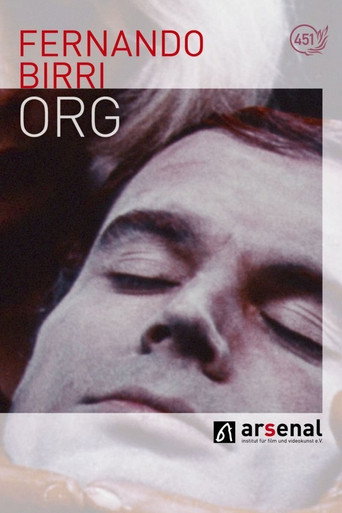
Explores the complex relationship between the spirit, body, and mind. The film is a nightmare with closed eyes because it counts among the most terrible moments of my life, my second exile, which lasted a very long time. Inspired by an ancient Hindu legend.
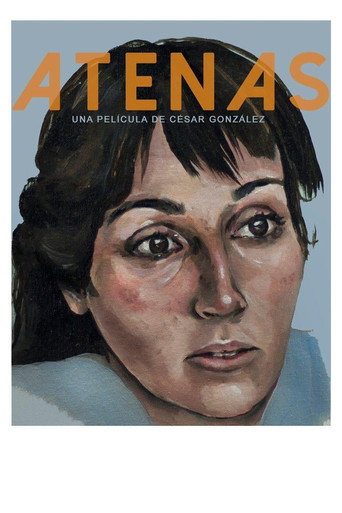
Persephone is released from prison after three years. Returning to the neighborhood will present him with a new hell. Without a job, she gets the help of Juana who shelters her in her house and with whom she looks for some changa to survive.
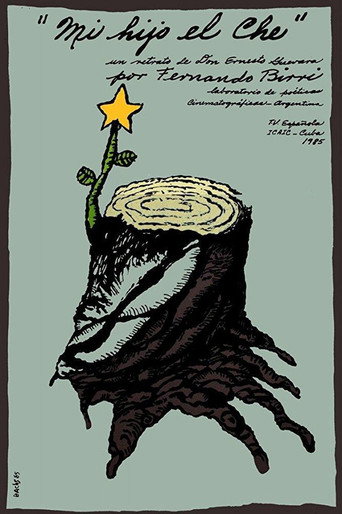
A portrait of Ernesto "Che" Guevara's family.
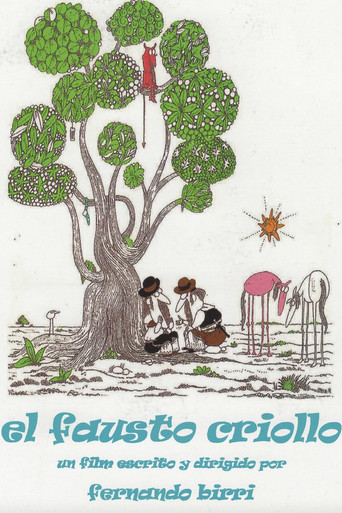
A version of El Estatola del Campo's poetic Faust of the Poet (1886) integrates the major trilogy of Argentine gaucho poetry, is proposed here in a faithful version and integral.