Fernando A. Rivero Movies, TV Shows, and Filmography
Fernando A. Rivero
Directing
Biography
Fernando A. Rivero (Mexico City, February 9th 1902 – April 20th 1975) was a Mexican set designer, film director, painter, actor, and writer, regarded as a foundational figure—“the father” of Mexican film scenographers. He studied architecture but left the program for financial reasons, worked at the jewelry shop El Nuevo Mundo, emigrated to the United States in 1927 to work as a draftsman for advertising companies and newspapers, and returned to Mexico in 1931. After inheriting money upon his grandfather’s death, he founded the Compañía Anunciadora Mexicana; a later press note also states he was orphaned at age four and adopted by relatives, and that he began professionally in advertising, following the example of his father, Pedro Rivero Noriega. In 1931 he declared his company bankrupt and entered the film industry as a set designer on Santa (1931), continuing as a scenographer throughout his career on 34 films and occasionally appearing on screen (including roles as a “corpse” and a “suicide” in early-1930s productions). He worked for a period in Argentina and Spain, but the Spanish Civil War forced his return to Mexico in 1937, arriving aboard the ship “Durango” and rejoining the industry with La paloma (1937). Rivero also described and tested a movable-set system of his own invention—designed to free camera and actor movement by separating lighting rigging from set walls—and later announced a business renting these “sets movibles”; he was also among the technicians who co-founded the Unión de Trabajadores de los Estudios Cinematográficos de México (UTECM) in 1933. He debuted as a director in 1938 with El beso mortal—a film adapted from Paul Gury’s play that drew controversy for its focus on venereal disease—and he went on to direct 20 films, closing that directing filmography in 1952 while continuing set-design work. His directing output included Cantinflas short films (1939–1940), documentaries, and features such as La posada sangrienta and Seda, sangre y sol (1941), Los miserables and Mi reino por un torero (1943), La casa embrujada and Nosotros (1944), Perdida (1949), and La extraña pasajera (1952). After leaving cinema, he returned to advertising work as a draftsman.
Filmography Movies
Acting
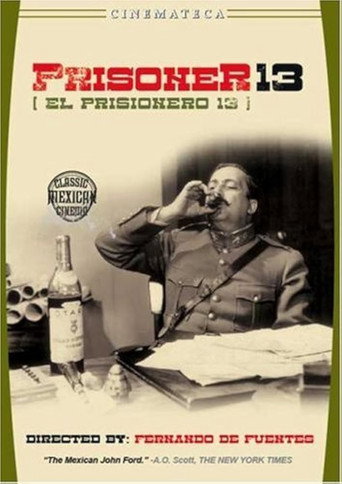
Prisoner 13
Colonel Carrasco's wife Marta leaves him taking his young son. The child, Juan, grows into an admirable and well-mannered young man. Having been promoted to a higher rank of power amidst the Mexican Revolution, the indulgent and corrupt Colonel accepts a bribe to free a revolutionary, Felipe Martinez, from his prison. Martinez has been sentenced to execution at the hands of a firing squad. Carrasco asks to have the revolutionary replaced by absolutely anyone. In a twist of fate, that anyone turns out to be his own long lost son Juan. Upon receiving this news, Marta races to the prison and explains the predicament to Carrasco. He subsequently desperately attempts to prevent the gunning down of his son by his very own government officials.
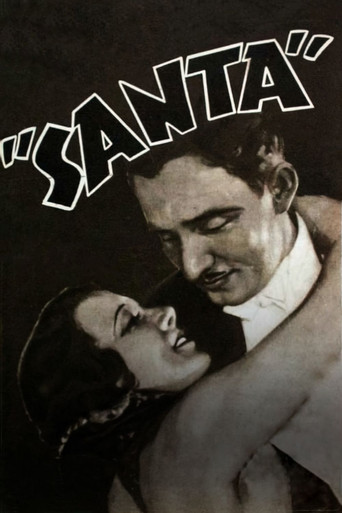
Santa
Santa is a beautiful and very humble young girl living in Chimalistac, a small and quiet spot south of the 1930's Mexico City. After Santa is cheated by arrogant soldier Marcelino, she's rejected by her family and friends and expelled of Chimalistac. Santa finds shelter in a whorehouse and becomes a cinic and bitter woman, mistreated by bullfighter "Jarameno" and silently loved by blind pianist Hipólito.
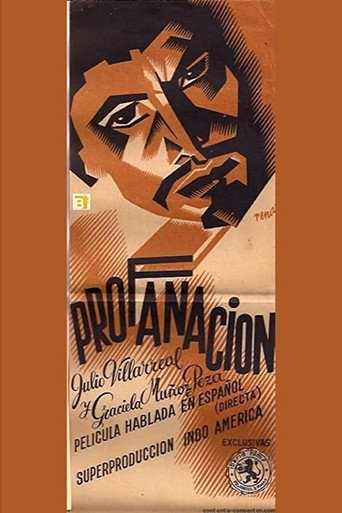
Desecration
Production
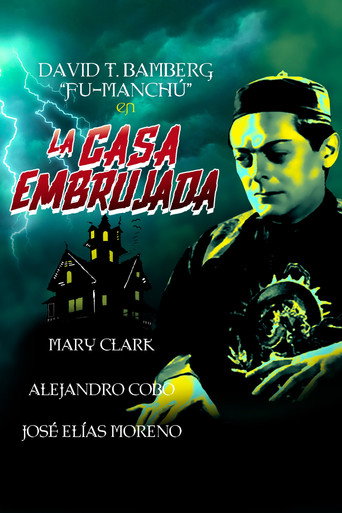
The Bewitched House
Stage magician Fu Manchu uses his illusions and trickeries to find a murderer.
Enemigos
The bride of a Federale colonel rejects him on their wedding night, and begins extramarital relations with a strapping young leader of the peasant revolution against which the colonel is fighting.
Prisoner 13
Colonel Carrasco's wife Marta leaves him taking his young son. The child, Juan, grows into an admirable and well-mannered young man. Having been promoted to a higher rank of power amidst the Mexican Revolution, the indulgent and corrupt Colonel accepts a bribe to free a revolutionary, Felipe Martinez, from his prison. Martinez has been sentenced to execution at the hands of a firing squad. Carrasco asks to have the revolutionary replaced by absolutely anyone. In a twist of fate, that anyone turns out to be his own long lost son Juan. Upon receiving this news, Marta races to the prison and explains the predicament to Carrasco. He subsequently desperately attempts to prevent the gunning down of his son by his very own government officials.

Jengibre contra Dinamita
He shows us a poor Cantinflas like a rat that walks with a sad hatter and ends up in a bar where he will have a clash with the dangerous bandit "Ojo Tapado" (Covered Eye).
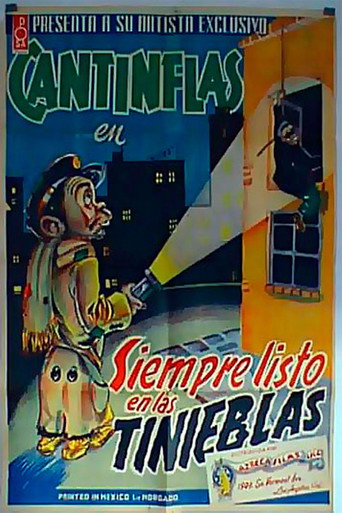
Siempre listo en las tinieblas
Cantinflas will face a thief who enters his house while he sleeps.
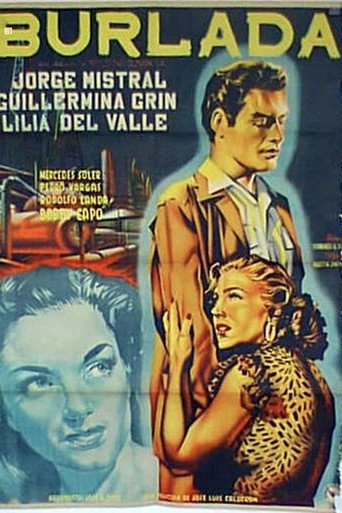
Burlada
Fancy gentleman uses his charms to exploit a bunch of women.
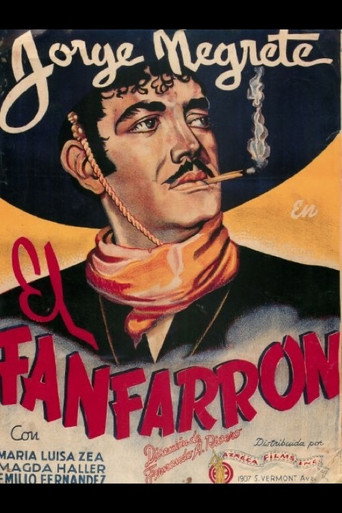
El fanfarrón: ¡Aquí llegó el valentón!
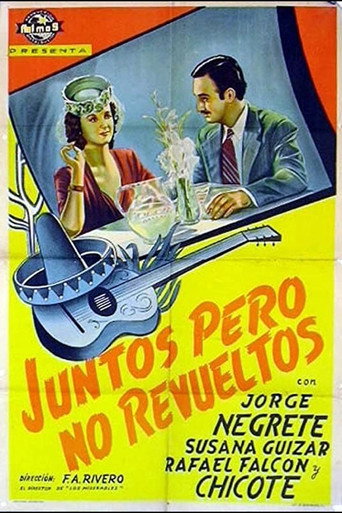
Juntos pero no revueltos
Ensemble-comedy set in a lower-middle-class apartment complex.
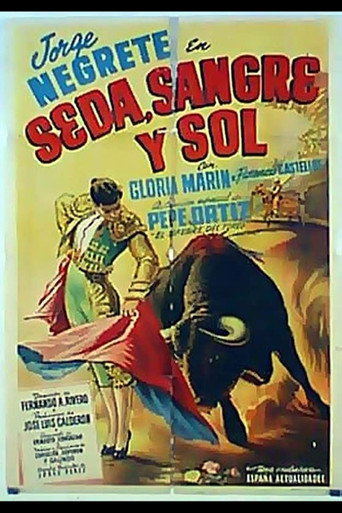
Seda Sangre Y Sol
Rivalries and romances among bullfighters.
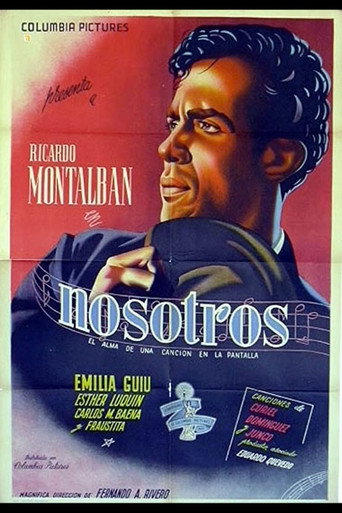
Nosotros
The tragic romance between a woman with a dubious past and a young thief who reforms his life for love.