Ferenc Bács Movies, TV Shows, and Filmography

Ferenc Bács
Acting
Biography
No biography available.
Filmography Movies
Acting
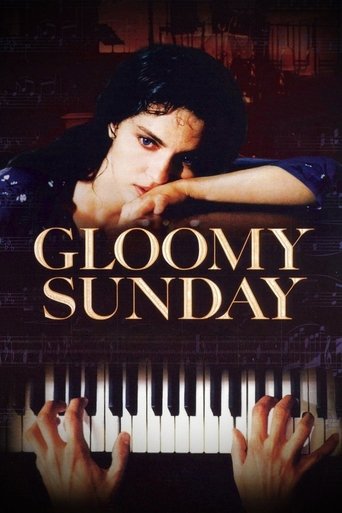
Gloomy Sunday
Budapest in the 1930s. Restaurant owner Laszlo hires pianist András to play in his restaurant. Both men fall in love with the beautiful waitress Ilona who inspires András to his only composition. His song of Gloomy Sunday is, at first, loved and then feared, for its melancholic melody sets off a chain of suicides. The fragile balance of the erotic ménage à trois is sent off kilter when the German Hans falls in love with Ilona as well.
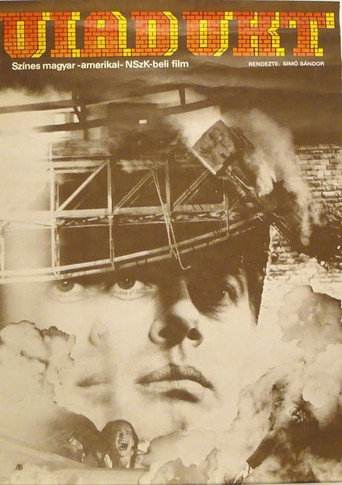
The Train Killer
Based on a true story, this film is a dramatization of the events that led to the destruction of one of the most famous trains in history, the Orient Express.
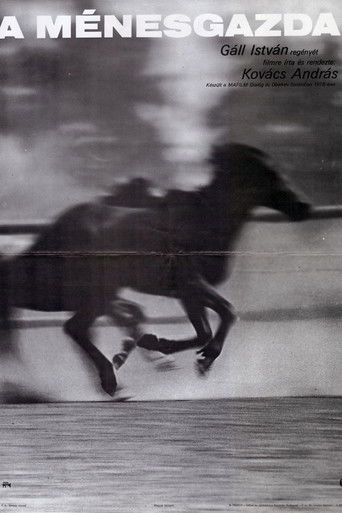
The Stud Farm
In 1950, when a young communist director arrives to take charge of a stud farm near the Hungarian borders, his efforts to draw on the experience of the old hands there meet with little success. Janit Busó is not accepted by the farm workers, who were exiled here and branded as class enemies. Busó tries to gain authority, which is not easy among these proud, resentful people who are skilled in their profession. In his difficult situation, the dubious support he receives from the party does more harm than good.
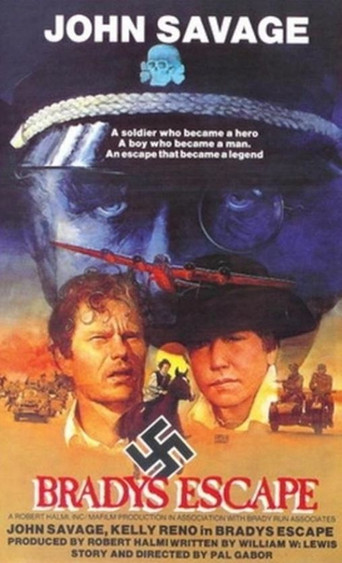
Brady’s Escape
This movie is about the love and protection of a man from another culture for the lowly horsemen of the the plains in Hungary during World War II.
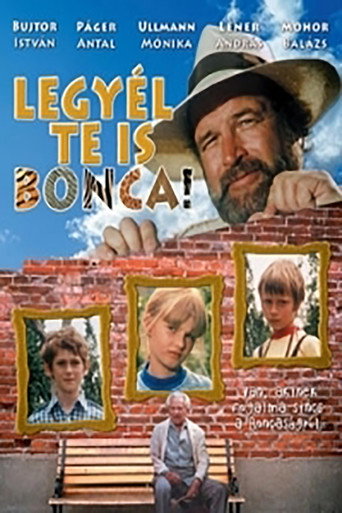
Legyél te is Bonca!
Our old friends Bence the Great Hunter, Andris, aka Mr. Doolittle, the Painter and then Bonca the Bird appear in this film. But then Nora appears and everything goes haywire. The film follows Nora and her mum as they become "Bonca".
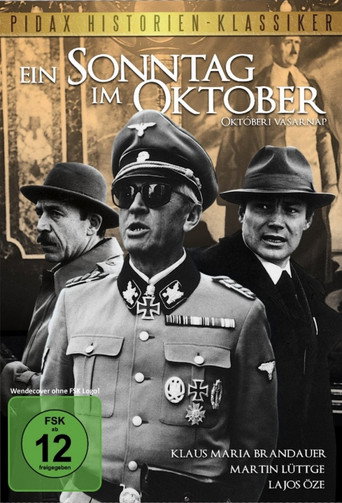
A Sunday in October
The film is a true account of the drama of "non-action" on 14th and 15th of October, 1944. The Nazis, having a straightforward program, occupy Hungary with little or no difficulty, as the Hungarian political leadership had no unambiguous program for responding to possible steps of the Nazis. In spite of the secretly signed cease-fire agreement and proclamation, Horty gives up all plans of resistance at the news of the kidnapping of his son. The Nazis take over power and roll up the so-called conspiracy aimed at Hungary's breaking away from the German alliance.
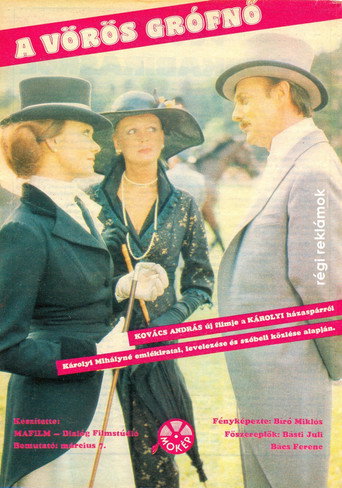
The Red Countess
The plot of the film starts at the beginning of the century, in the heyday of the Andrássy and Károlyi families, during the ever increasing crisis of the Austro-Hungarian Monarchy, and ends with the emigration of the Károlyi couple after the collapse of the 1918-19 revolutions. It tells the story of this historical period (war, revolution, take-over by the proletariat, dictatorship) from the view of an extremely wealthy lady, Andrássy Katinka. The authors tried to evoke the special story during which a strange and unique woman gets thoroughly involved in history through her love and at the same time keeps her own identity and self-governance.
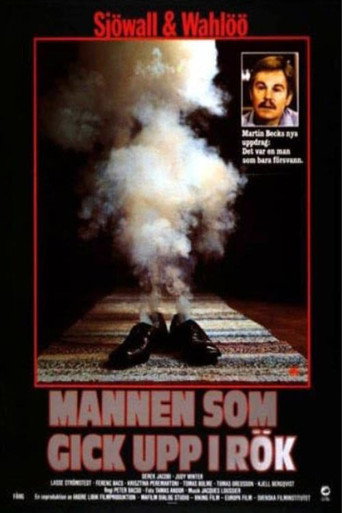
The Man Who Went Up in Smoke
The journalist Alf Mattson gets thoroughly drunk at his birthday party, where his wife announces that she intends to divorce him. He is knocked down on the street and is later carried home by a friend. The next day he is to fly to Budapest in order to make a report for the Stockholm television. Mattson disappears in Budapest.
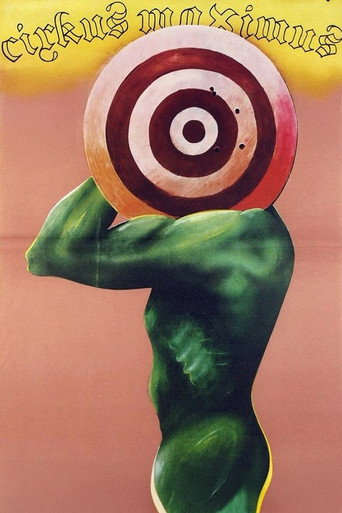
Circus Maximus
During World War II Carlotta, the circus owner maintains herself, her lover and her rather run-down circus-team by illegal man-smuggling. In the year of 1944, besides the usual refugees, she even has to take Professor Máté, the renown mathematician to the Yugoslavian partisans. The team is joined by Carlotta's psychotic son who has escaped from an asylum.
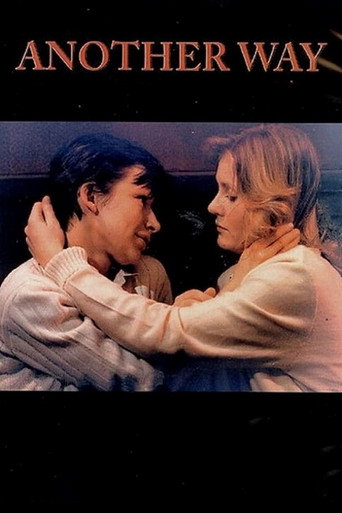
Another Way
Political and sexual repression in Hungary, just after the revolution of 1956. Passionate and determined, Eva gets a job as a journalist. There, she meets Livia and is attracted to her. Livia feels much the same, but as a married woman, has doubts and hesitations. In their work, they (and Eva in particular) bang up against the limits of telling political truths; in private, they confront the limits of living out sexual and emotional truth.
Gallery